How Ceramic Coating Resists Oxidation and Fading on Older Paint to Preserve Your Car's Finish
If you've ever noticed your car's paint looking dull, faded, or chalky after a few years, you're not imagining things; this is a common problem caused by oxidation and sun damage. Ceramic coatings have become popular as a way to protect and preserve your vehicle's finish, but how exactly do they work on older paint? In this article, we'll explore how ceramic coatings form a strong barrier that fights fading and wear, helping your car maintain its shine longer without needing constant polishing or repainting. Understanding how these coatings interact with existing paint can significantly enhance the appearance of your vehicle, regardless of its age. Ceramic coating forms a durable, chemically bonded barrier over the clear coat that limits exposure to oxygen and UV rays, which are primary causes of oxidation and fading. While it effectively preserves paint vibrancy by repelling contaminants and blocking harmful rays, for older or oxidized paint, proper surface preparation, including paint correction or clear coat restoration, is essential to ensure optimal adhesion and protective benefits.
How Ceramic Coating Enhances Older Paint
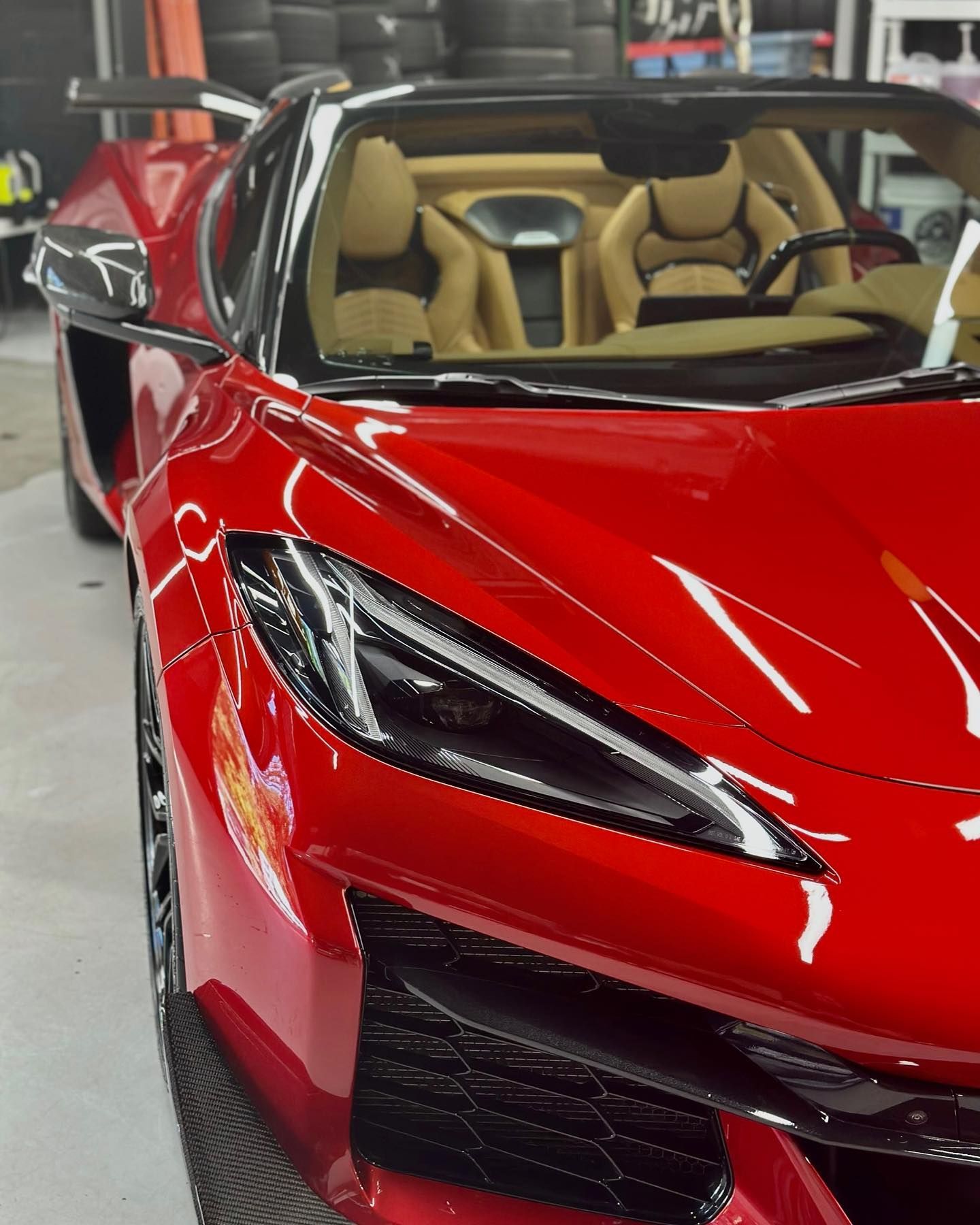
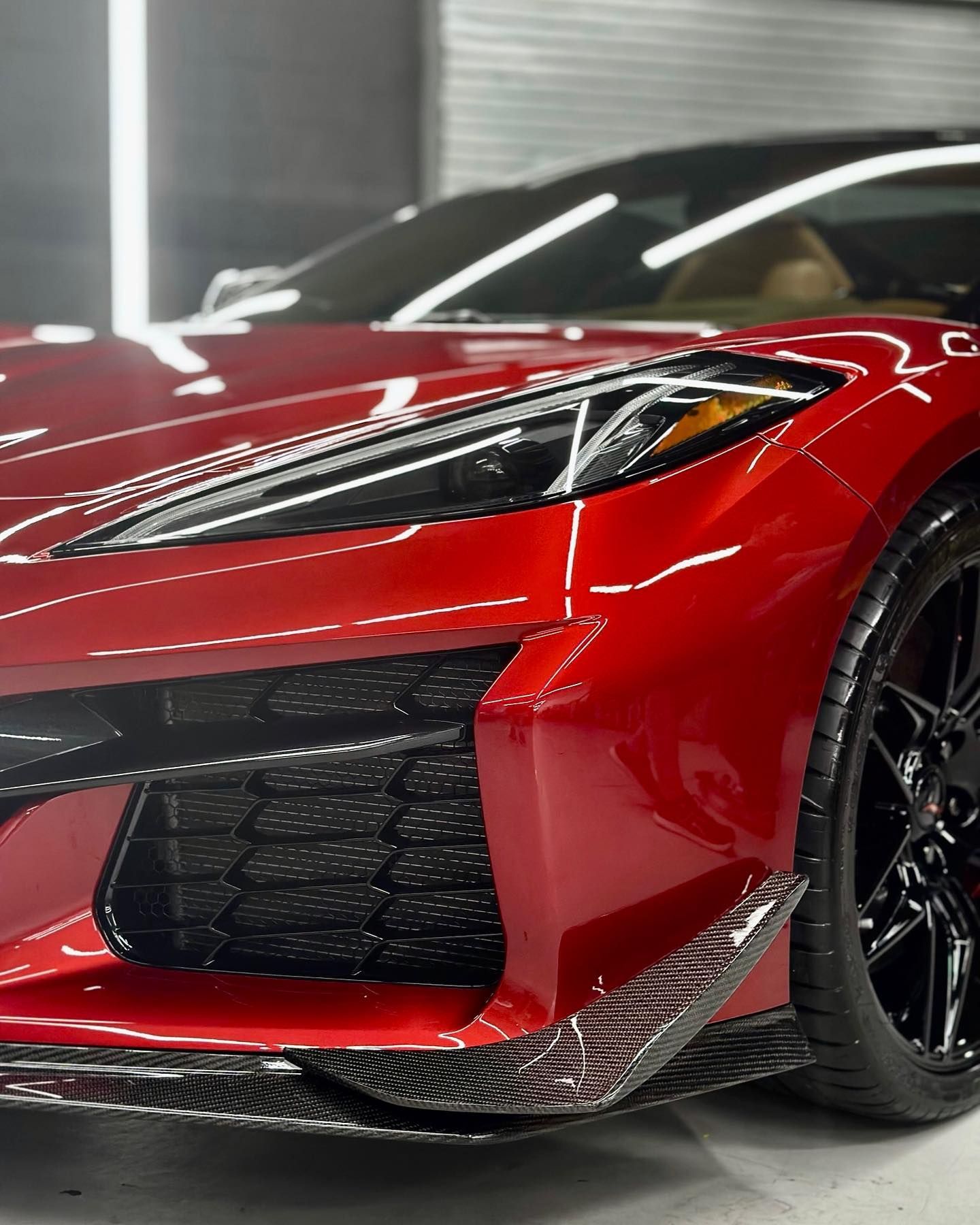
Ceramic coatings don't literally repair old paint like a fresh layer of paint or a professional touch-up; instead, they enhance what's already there by bonding chemically with the car's clear coat. Over time, the clear coat accumulates tiny imperfections that dull the original vibrancy beneath. When you apply a ceramic coating, it seeps into these microscopic imperfections and fills them in, effectively smoothing out the surface. This creates a more reflective finish that brings back some of that initial depth and gloss you remember when the car was new. This chemical bond isn't just a superficial glaze; it becomes part of the paint system itself.
Unlike waxes or sealants that sit on top and wear off quickly, ceramic coatings form a durable layer that resists washing away for years if maintained properly. The result is an older vehicle that looks fresher because its finish catches the light better and shows fewer visible flaws. For example, oxidation often leaves paint looking chalky or faded; by restoring smoothness and reflectivity, ceramic coating can make those faded areas appear more vibrant without repainting. But enhancement isn't just about bringing back shine; protecting the paint from further damage plays an equally critical role.
The Hydrophobic Advantage
One of ceramic coating's most powerful benefits lies in its hydrophobic properties. When applied, these coatings create an ultra-smooth, water-repellent surface that causes moisture to bead up and roll right off instead of clinging onto the paintwork. This natural beading effect means dirt, dust, bird droppings, tree sap, and other contaminants have a harder time sticking to the car. Over time, this benefit greatly reduces harmful particles rubbing against your paint and accelerating wear. Many users report their ceramic-coated cars stay cleaner longer, requiring less frequent washes even through daily use. This saves time and helps preserve delicate paint structures. Less buildup of grime means fewer chances for chemical stains or acid etching to take hold, a crucial aspect for older paints that are more vulnerable to damage. While ceramic coating offers these advantages, it's important to recognize some limitations when applying it to aged paint surfaces.
Understanding the Limitations
The coating relies heavily on bonding to a sound clear coat underneath. If the clear coat is flaking or severely oxidized, the ceramic layer will struggle to adhere properly and won't deliver lasting protection. In such cases, preparation steps like light sanding or applying a high-quality two-component clear coat repair are necessary before applying ceramic coating. Without this groundwork, any restorative benefit will be short-lived. To get the most out of ceramic coatings on older vehicles, first assess the condition of your paint surface closely. If you notice peeling or extensive fading beyond light oxidation, investing in proper correction treatments will ensure the coating can form a strong bond and truly enhance shine while protecting long-term. Ceramic coatings can't perform miracles by reversing heavy wear on old paint, but their ability to fill microscopic blemishes and shield surfaces against environmental harm makes them an excellent choice for revitalizing aged finishes and preserving your vehicle's appearance for years to come.
Fighting Oxidation with Ceramic Coating
Oxidation is essentially a slow chemical attack on your car's paint caused by constant exposure to oxygen and ultraviolet (UV) rays from the sun. When these elements interact with the surface, they trigger reactions that break down the clear coat, leaving the paint dull, chalky, and faded. This degradation doesn't just affect appearance; it erodes the protective layers that keep your vehicle looking fresh and shiny. At its core, oxidation is a process where oxygen molecules latch onto the paint's polymers, altering their structure. UV light accelerates this by breaking chemical bonds in the paint pigments, especially in darker colors that absorb more heat. The result is a surface that looks lifeless, dry, and prematurely aged. Ceramic coatings interfere with this destructive cycle by applying a highly durable barrier that's essentially airtight and impermeable to oxygen. This layer drastically limits direct contact between oxygen and your paint's clear coat. The magic lies in the ceramic coating's composition, which hardens into a glass-like shield over your vehicle's surface. This shield not only stops oxygen molecules from reaching your paint but also reflects or absorbs UV rays, reducing their impact before they can damage pigments beneath. This dual action slows oxidation dramatically compared to unprotected surfaces.
For older vehicles showing early signs of oxidation, this protective layer can slow further damage and preserve the remaining paint integrity. It doesn't reverse existing oxidation but buys valuable time before needing costly repairs or repainting. The ceramic coating also repels water and dirt due to its hydrophobic nature, causing droplets to bead up and roll off instead of sticking around to promote chemical reactions that lead to stains or fading. This means contaminants don't linger long enough to accelerate oxidation or wear away at the paint. This combination of chemical defense and physical resilience gives your car more than just good looks; it preserves its value and saves money over time by reducing the frequency of polishings, waxing, or extensive paint corrections. However, it's crucial the paint beneath is in excellent condition; ceramic coatings cannot bond properly or protect adequately if underlying clear coats are badly faded or peeling.
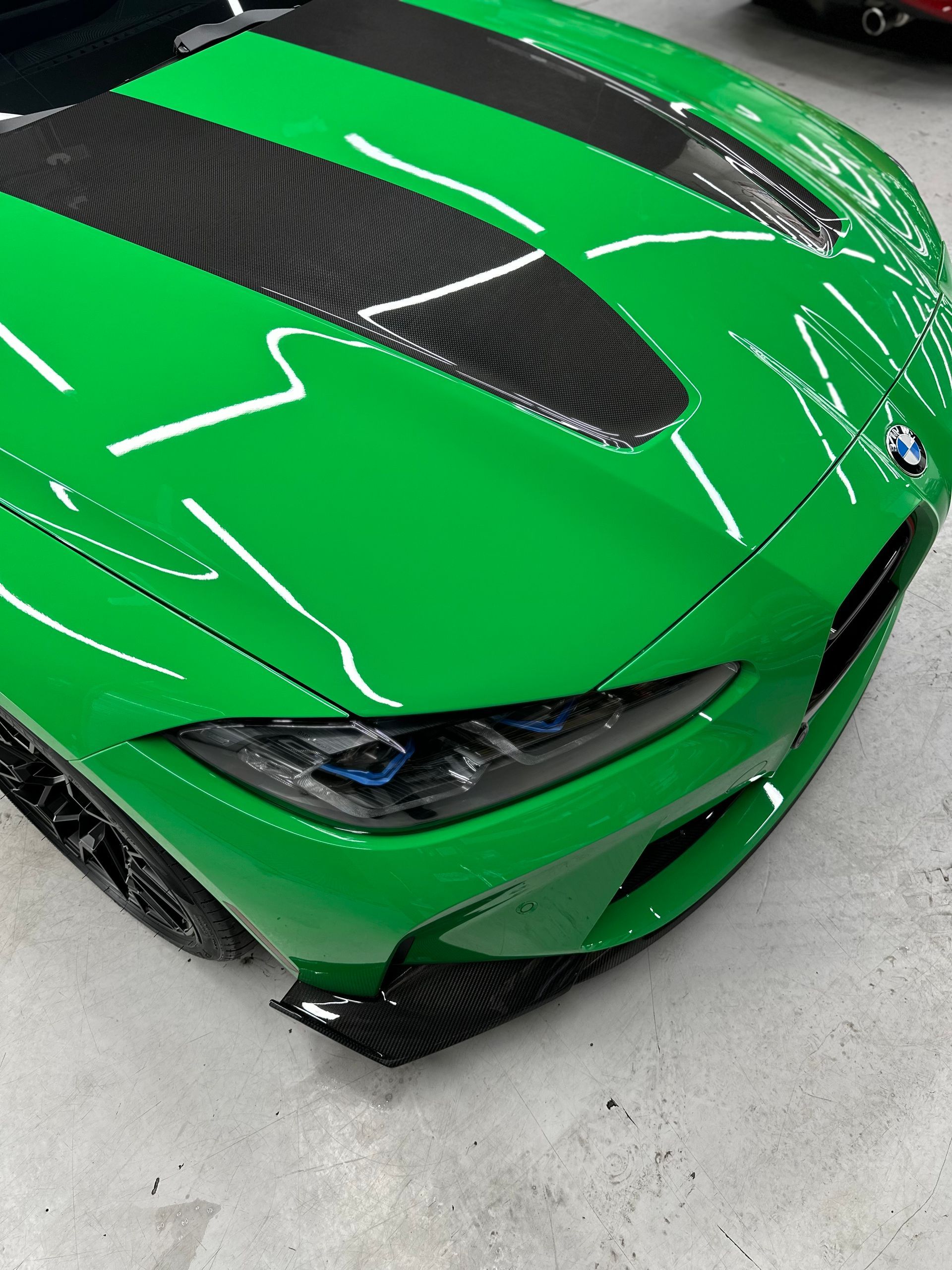
UV Ray Protection with Ceramic Coating
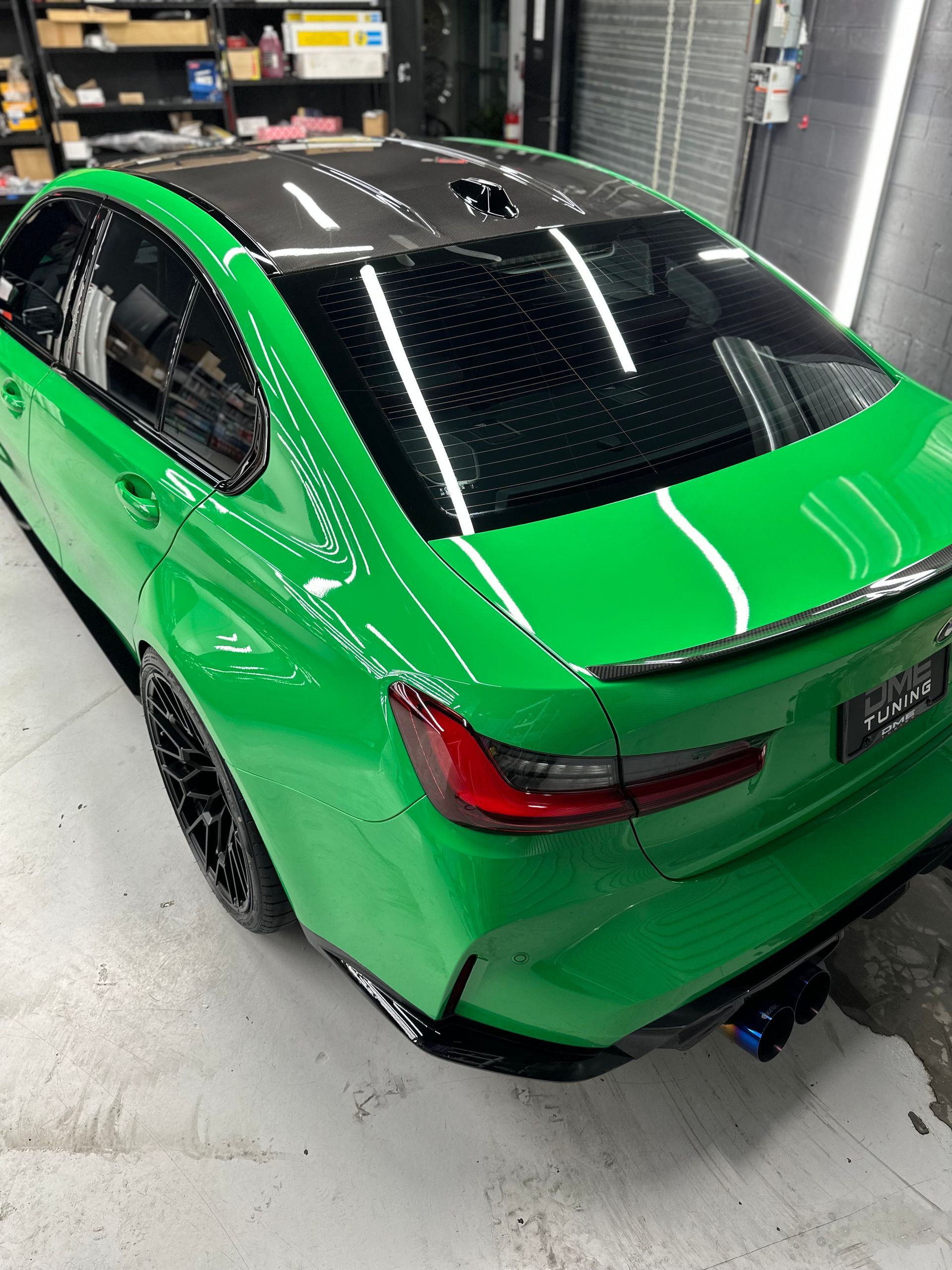
Ultraviolet rays are among the most damaging forces your car's paint faces daily. These invisible rays from the sun penetrate the clear coat and accelerate chemical reactions that degrade pigments and cause fading. Over time, this sunlight exposure strips away color vibrancy, leaving paint dull and lifeless. Ceramic coatings provide extra protection by using UV inhibitors that reflect and absorb harmful rays from the sun before they can damage the surface. Such protection is more than just a surface-level benefit. The coatings contain elements like silicon dioxide that create a tight microscopic layer protecting your paint. Embedded UV blockers filter out a significant portion of the UV spectrum, minimizing heat buildup on the paint surface, a factor linked closely to paint breakdown. By significantly lowering the effects of UV radiation, ceramic coatings slow down the fading process dramatically, helping maintain deeper, richer colors for years longer than uncoated vehicles.
Modern clear coats filter a substantial amount of UV light, but ceramic coating supplements this protection, especially on older cars where clear coats have thinned or weathered considerably. This supplementary barrier reduces cumulative photochemical damage over time and shields vulnerable areas such as dark-colored paints, which absorb more heat and fade quicker under direct sun. For best results, it's critical that the paint underneath is in good condition before applying ceramic coating. Any oxidation or flaking should be corrected first because coatings bond chemically only to intact clear coats. Applying ceramic coating onto a compromised surface won't restore past damage but will prevent further deterioration by offering robust UV shielding moving forward.
Additionally, maintaining your ceramic coating properly ensures this UV protection remains effective over time. Using pH-neutral soaps during washing prevents stripping or weakening the protective layer. Avoiding harsh automated car washes also helps preserve the coating's structure, keeping those embedded UV filters intact longer so your finish isn't left exposed prematurely.
Maintaining Ceramic Coating on Older Paint
Even though ceramic coatings create a durable shield over your car's surface, they require consistent maintenance to maintain their hydrophobic qualities and resistance against oxidation. When caring for older paint specifically, where the underlying clear coat may already be thinner or weathered, every cleaning choice matters because harsh treatments can quickly wear down the coating and expose vulnerable paint beneath. The foundation of proper maintenance lies in how you wash your vehicle. Using a pH-neutral car shampoo is critical. Harsh soaps or alkaline detergents strip away not just dirt but also degrade the ceramic layer's chemical bonds over time. Coupled with that, only use soft microfiber cloths or wash mitts that gently lift grime. Avoid automated car washes that employ stiff brushes; these may introduce surface imperfections that dull the coating's smooth finish and reduce its reflective depth.
Another vital detail is water temperature during washing. Ideally, rinse and wash with lukewarm water. Water too cold can shock the coating, leading to issues over repeated washes, while excessively hot water risks softening and eroding it prematurely. This fine balance preserves the coating integrity on older paint layers, which are generally less forgiving than fresh factory finishes. Beyond washing, regular inspection uncovers early signs of wear so you can intervene before damage spreads. It pays dividends to carefully examine your car's finish every few months. Look for fading gloss, uneven water beads, or roughness under direct sunlight all signals that the ceramic coating is thinning or contaminated with stubborn residues. At this stage, a touch-up kit can replenish essential hydrophobic properties and bolster protection in those weak spots. For most car owners aiming for longevity, planning a full reapplication every two to three years is wise; this procedure refreshes the barrier fully and compensates for gradual wear caused by environmental exposure.
Premium Ceramic Coating Services in Elmwood Park, NJ
Our ceramic coating services at Automotive Specialty Wraps are designed to help preserve older paint by reducing oxidation, limiting UV exposure, and maintaining a richer, more consistent finish over time. We focus on proper surface preparation to ensure the coating bonds effectively, allowing it to enhance reflectivity while forming a durable barrier against environmental wear. For drivers in Elmwood Park, NJ, our ceramic coatings provide a practical way to extend the life of aging paint, reduce frequent upkeep, and keep your vehicle looking well cared for without constant polishing or repainting.
Schedule your ceramic coating service today to protect your finish for the road ahead!