Paint Correction Before Car Ceramic Coating: How to Decide What's Right
Paint correction before ceramic coating isn't a one-size-fits-all answer. Some vehicles truly need it. Others don't. The honest conversation most shops should be having with customers starts with inspecting the paint, not automatically adding every service to the quote. Ceramic coating locks in whatever's underneath it, so the condition of your paint when the coating goes on determines how the finished vehicle looks for years afterward. Light swirl marks, deep oxidation, bonded water spots, or embedded surface marring all affect that decision differently. Getting a car ceramic coating right starts with understanding when correction is worth the extra cost and when it isn't. This article walks through how paint condition should drive the prep decision and why a proper inspection matters more than a template quote with every service checked.
Why Paint Condition Matters Before Ceramic Coating
Ceramic coating bonds to the clear coat of your vehicle and preserves everything that's on the paint when the install happens. That's a double-edged reality. A well-prepped vehicle gets years of hydrophobic protection and sharp gloss. A poorly prepped vehicle gets its existing defects frozen in place beneath a sealed layer that makes those defects harder to address later.
What ceramic coating preserves on your paint:
- The current gloss condition, good or bad
- Any swirl marks or imperfections already present
- Oxidation or dullness in the clear coat
- Water spots that didn't get removed before application
- Minor surface marring from previous washing habits
For vehicles headed in for
ceramic coating packages, the honest first step is a paint inspection, not an automatic add-on sale. The shop should look at your specific paint before suggesting what correction is or isn't needed on your particular vehicle.
When Paint Correction Benefits Your Car Ceramic Coating
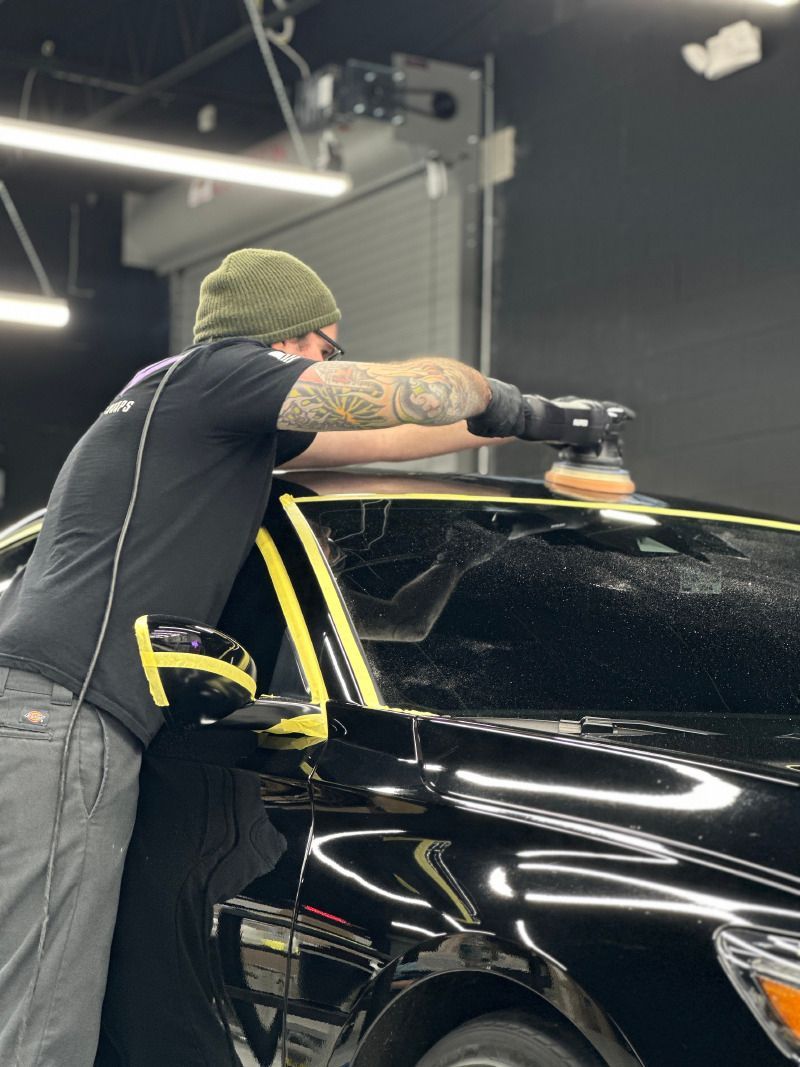
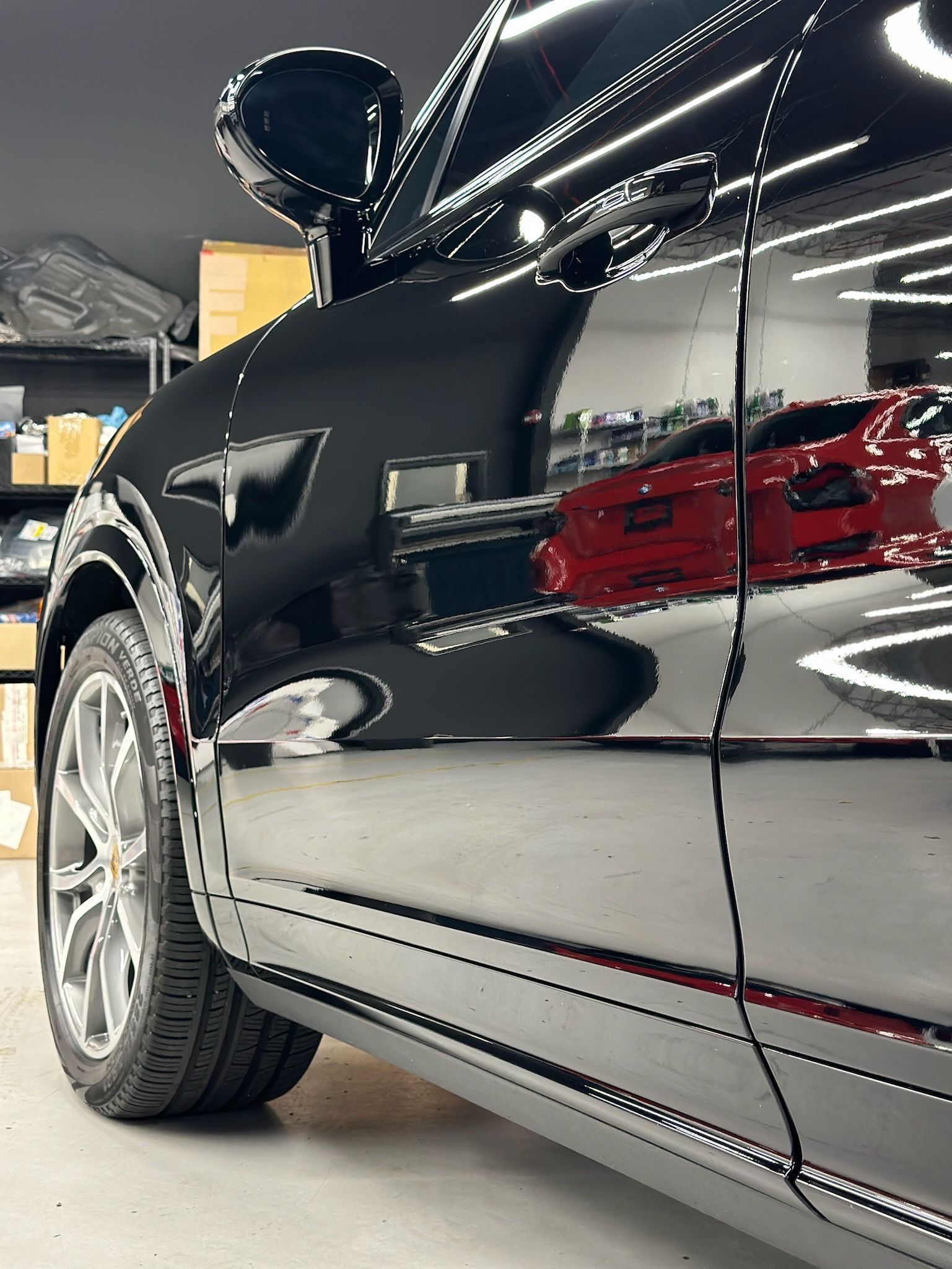
Paint correction before a car ceramic coating install makes sense in specific situations. The decision comes down to what the inspection reveals, not what the standard quote template includes.
Situations where correction typically pays off:
- Visible swirl marks across the paint from past washing
- Dullness or loss of gloss that light can't catch properly
- Hazing in the clear coat that shows up in direct sun
- Water spots that regular washing hasn't removed
- Minor defects on panels you notice in good lighting
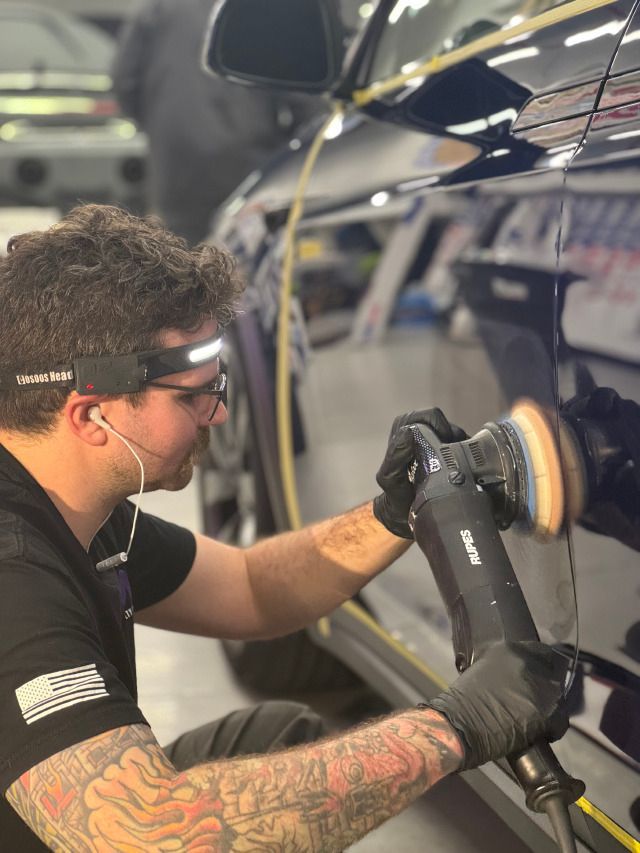
In these cases, a paint correction service handles the defects before the coating goes on, so the finished result shows paint that actually looks its best. Skipping correction when the paint needs it means those issues become permanent features under the ceramic.
Common Paint Issues That Call for Correction
Several specific paint conditions commonly trigger a correction suggestion during inspection. Each has its own signature appearance and reason for addressing it before the coating goes on.
Paint issues that typically justify correction:
- Swirl marks: Fine circular patterns visible under direct light, usually from improper washing
- Oxidation: Chalky or faded appearance, often on older vehicles with sun exposure
- Water spots: Hard-water deposits that have etched into the clear coat
- Haze: Cloudy appearance across sections of paint, often from improper polishing
- Marring: Light surface defects that show up at certain angles
The paint correction process uses cutting and polishing to eliminate these defects in the clear coat. Working with professional products like those used in Gtechniq ceramic installs delivers the best results when the paint has been corrected properly first.
When Extensive Correction Isn't Necessary
Not every vehicle needs full correction before ceramic coating. The honest reality is that some paint is already in good enough shape that extensive correction would be an unnecessary expense. Adding correction on paint that doesn't need it means paying for work that doesn't improve the finished result.
When minimal or no correction may be appropriate:
- Nearly new vehicles with original paint in good condition
- Well-maintained vehicles that have been washed properly over the years
- Paint with no visible swirl marks under direct lighting inspection
- Vehicles that have had recent professional correction already done
- Paint whose owner is comfortable accepting minor imperfections
In these cases, the pre-coating prep might include a thorough wash, clay-bar work, and decontamination without the full cutting and polishing stage. The shop should discuss what the inspection reveals and let the owner make an informed call rather than pushing extra services by default.
Why Professional Inspection Matters Over Auto-Added Services
The most important part of the pre-coating decision happens before anyone picks up a buffer. A real inspection under proper lighting tells the shop and the owner what the paint actually needs, which may be less than a template quote suggests or sometimes more. Service bundling that doesn't account for actual paint condition can mean paying for work the vehicle doesn't need.
What a proper pre-coating inspection involves:
- Visual examination of all painted panels under appropriate lighting
- Assessment of swirl marks, defects, and overall gloss condition
- Discussion with the owner about what the inspection found
- Clear explanation of what correction would and wouldn't address
- An honest quote based on what the vehicle actually needs
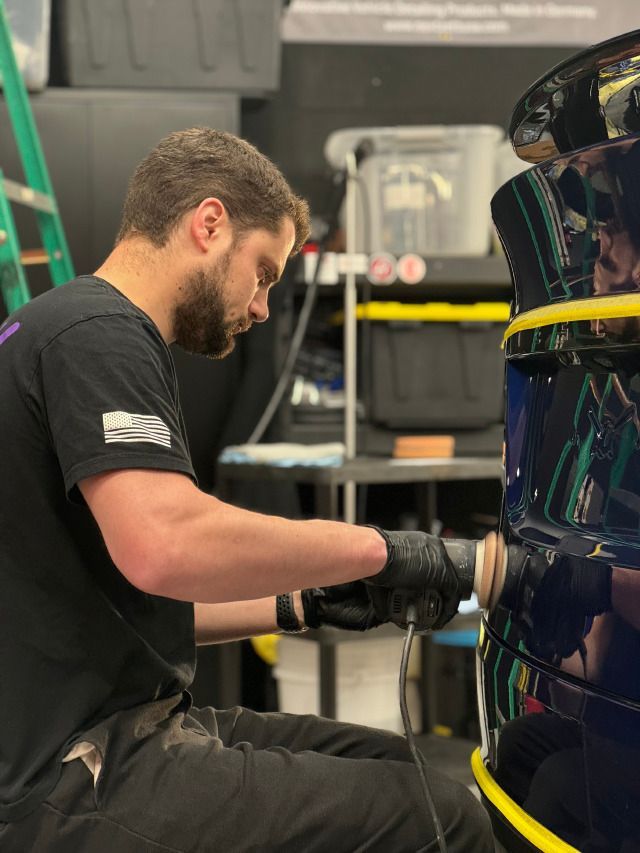
Automotive Specialty Wraps handles both the inspection and the correction when it's warranted, which means owners get a straight answer about what their specific paint needs rather than a one-size-fits-all pitch. That inspection-first approach gives customers the information they need to decide what makes sense for their vehicle.
Book Your Ceramic Coating Consultation
Thinking about ceramic coating but unsure if your paint needs correction first? The paint prep team at Automotive Specialty Wraps approaches ceramic appointments with an honest inspection of the paint, then advises on what prep makes sense based on what the inspection finds. Getting a car ceramic coating result that holds up for years starts with the paint being in the right condition when the coating goes on. Book a visit and let the shop take a look at your paint before deciding on anything else.
Frequently Asked Questions
Does every vehicle need paint correction before ceramic coating?
No. The decision depends entirely on the condition of the paint at the time of inspection. New vehicles with original paint in good shape may need only basic prep. Older vehicles with noticeable swirl marks, oxidation issues, or trapped defects benefit from correction before the coating goes on. A proper inspection tells you what your specific paint actually needs rather than assuming every vehicle gets the full process by default.
What happens if I skip correction and apply ceramic over imperfect paint?
The ceramic coating preserves whatever is on the paint when the install happens. Swirl marks, water spots, defects, and dullness all stay visible under the coating for the life of the install. The ceramic doesn't hide these issues or make them less noticeable. If you want the paint to look its best, correction before coating is the right order. If you're fine with the paint as it currently looks, coating alone preserves that condition going forward.
How can I tell if my paint has swirl marks?
Look at the paint under direct sunlight or a bright single-source light. Swirl marks appear as fine circular patterns across the surface, usually most visible on darker paint colors. If you can see them, they'll be preserved under ceramic coating unless corrected first. Lighter colors may hide swirls visually but the defects are still there and show up under proper inspection lighting at the shop.
Does paint correction work on all paint types and colors?
Yes. The paint correction process is color-neutral, with the same cutting and polishing stages applied to the clear coat on any vehicle finish. Defects in the top layer of the paint get addressed regardless of what color sits beneath. Darker colors tend to show the before and after results more dramatically, but the correction process itself handles light colors with the same technique.
How do I know if a shop is giving me honest advice about correction?
A reputable shop inspects the paint before quoting correction, discusses what they see with you directly, and explains why they do or don't suggest correction. If a quote arrives with full correction automatically added before anyone has looked at the paint, that's worth asking about to understand what the correction will address on your specific vehicle. Ask for the inspection first and the quote second.