
Pro Detailing Preserves Interior Trim and Surfaces: Essential Car Care Tips
Keeping your car's interior looking great isn't just about appearances. It also helps protect the surfaces that wear down every day. Dust, sunlight, and spills quietly break down materials like leather, plastic, and fabric over time, turning a comfortable ride into a worn one faster than most drivers realize. Taking care of these details regularly with the right methods keeps your car feeling fresh and saves you money in the long run by avoiding costly repairs or replacements.
The Importance of Professional Interior Detailing
Professional interior detailing goes beyond the quick wipe-downs many drivers perform. It addresses the intricate textures, surfaces, and hidden areas that everyday cleaning misses. This comprehensive care preserves the materials inside your car, including plastics, leathers, fabrics, and vinyl, protecting them from wear that accumulates silently but steadily over time. Neglect may not show immediately, but over months or years, dirt buildup, UV exposure, and environmental contaminants degrade surfaces, causing fading, cracking, or staining that can be costly and sometimes irreversible. Preserving your vehicle's value is one of the strongest reasons to invest in professional detailing. A meticulously maintained interior retains and even enhances resale appeal by safeguarding against deterioration. That difference between a clean, well-kept cabin and one with cracked dashboards and worn trim can translate to a significant variance in vehicle value.
Beyond aesthetics and value, there is a deeper dimension tied to health and comfort. A dusty, grimy cabin is a breeding ground for allergens, bacteria, and microscopic pollutants that settle on seats, carpets, ventilation systems, and hard-to-reach corners. Without professional attention using tools like steam cleaners and specialized brushes, many of these particles escape normal vacuuming or wiping. Professional detailers use pH-balanced cleaners and steam technology designed to lift these hidden hazards while preserving surface integrity, resulting in a healthier environment inside your car. The real value of professional interior detailing comes from its systematic approach. Experts follow a precise workflow: dusting first to loosen particles, vacuuming thoroughly to remove debris, carefully cleaning delicate plastics or leather with tailored products, and then applying UV protectants that meaningfully reduce material degradation over several years. This stepwise attention prevents overuse of harsh chemicals or abrasive actions that could damage sensitive surfaces, balancing cleaning efficiency with surface preservation.


Key Techniques for Cleaning Car Interiors
Different surfaces inside your car demand unique care to preserve their texture and longevity. Overzealous scrubbing or the wrong cleaner can quickly turn a routine cleanup into a costly repair, so understanding these nuances is essential.
Dusting and Vacuuming
The baseline for any excellent interior detailing starts with dusting and vacuuming. Using a soft microfiber cloth is crucial. Its fine fibers trap dust without scratching surfaces or spreading particles around. Sweeping across dashboard panels, door trims, and center consoles with gentle strokes removes the loose debris that settles daily. Vacuuming targets the areas your cloth cannot reach, including carpet fibers, seat seams, and tiny crevices between buttons or vents. Equipping your vacuum with a soft brush attachment loosens dirt without damaging delicate fabrics or scratching plastics. In spots where dirt clings stubbornly, a quick burst of compressed air flushes out hidden grime and makes the final vacuum more effective.
Spot Cleaning Stains
Not all stains are equal. Identifying the type of stain is the first step toward treatment, as oil-based spills behave differently from water-based ones. Applying the right cleaner, whether a gentle fabric solution for cloth seats or a dedicated cleaner for dashboards, avoids surface damage while efficiently lifting stains. Apply the cleaning solution onto a microfiber cloth first rather than directly onto the surface. Gently work the cloth into stained areas using small circular motions, which reduces oversaturation and prevents streaks. Rubbing aggressively risks pushing the stain deeper or wearing down fabric fibers and finishes.
Surface Protection and Finishing Touches
Once surfaces are clean, applying protective treatments seals them against fading, cracking, or premature grime buildup. Leather seats benefit from conditioning products that replenish natural oils and keep the material supple. Plastic trims benefit from UV protectants that prevent discoloration caused by sunlight. Fabric upholstery cleaners with protective components create invisible shields against spills. Incorporating this final step as part of your routine extends the lifespan of your interior components significantly.
Essential Products for Interior Trim Care
Choosing the right products is about understanding what each component in your car needs to stay vibrant and intact. Leather conditioners keep leather soft and create a protective barrier that prevents cracking and discoloration over time. Plastic protectants serve as guardians for dashboards, door panels, and trim pieces, preserving color richness and preventing brittle surfaces from forming.
It is important to choose a product that does not leave behind oily residues that attract dust or create an unnatural shine. A good automotive glass cleaner quickly dissolves smudges without leaving streaks or hazy films. General household cleaners can contain chemicals that damage tint films or degrade nearby plastic trims, so using dedicated automotive glass care products is the wiser choice. For fabric upholstery, use cleaners formulated not just to remove stains but to preserve the texture and color of the material. Harsh cleaners can ruin delicate patterns or fade dyes unevenly, so a gentle yet effective fabric cleaner is always preferable.
Protecting Your Car's Interior Surfaces
Applying protectors is the frontline defense that keeps your interior looking fresh and durable. After every thorough cleaning session, applying UV protectants on plastic and vinyl surfaces is essential. These protectants block harmful ultraviolet rays that can fade colors, cause brittleness, and trigger cracking over time. Spray your chosen protectant onto a microfiber cloth instead of directly onto the surface for even application and to prevent overspray from settling on surrounding areas.
Leather interiors require special attention. Unlike plastics or vinyl, leather is organic and vulnerable to drying out if left untreated. Using a quality leather conditioner replenishes natural oils, preserves suppleness, and prevents cracks that worsen with temperature fluctuations and sunlight exposure. Most manufacturers recommend applying protectants to plastic and vinyl surfaces every one to three months depending on use and environmental conditions. For leather care products, a fresh application is generally needed every three to six months to maintain their effectiveness.
Common Mistakes to Avoid in Car Detailing
Even with good intentions, many car owners inadvertently damage their interiors by overworking surfaces. Sensitive areas such as soft-touch plastics, delicate fabrics, and leather can suffer micro-scratches or premature wear when subjected to excessive pressure. The key is gentle care, using soft microfiber cloths and allowing cleaning agents to dissolve grime without force.
Another common mistake is using household cleaners that are too harsh for automotive interiors. These chemicals can strip away UV protectants or leave behind residues that degrade vinyl and plastic trim over time, leading to discoloration or brittleness that is difficult to reverse. Always select purpose-built automotive interior cleaners with formulations tailored for delicate surfaces.
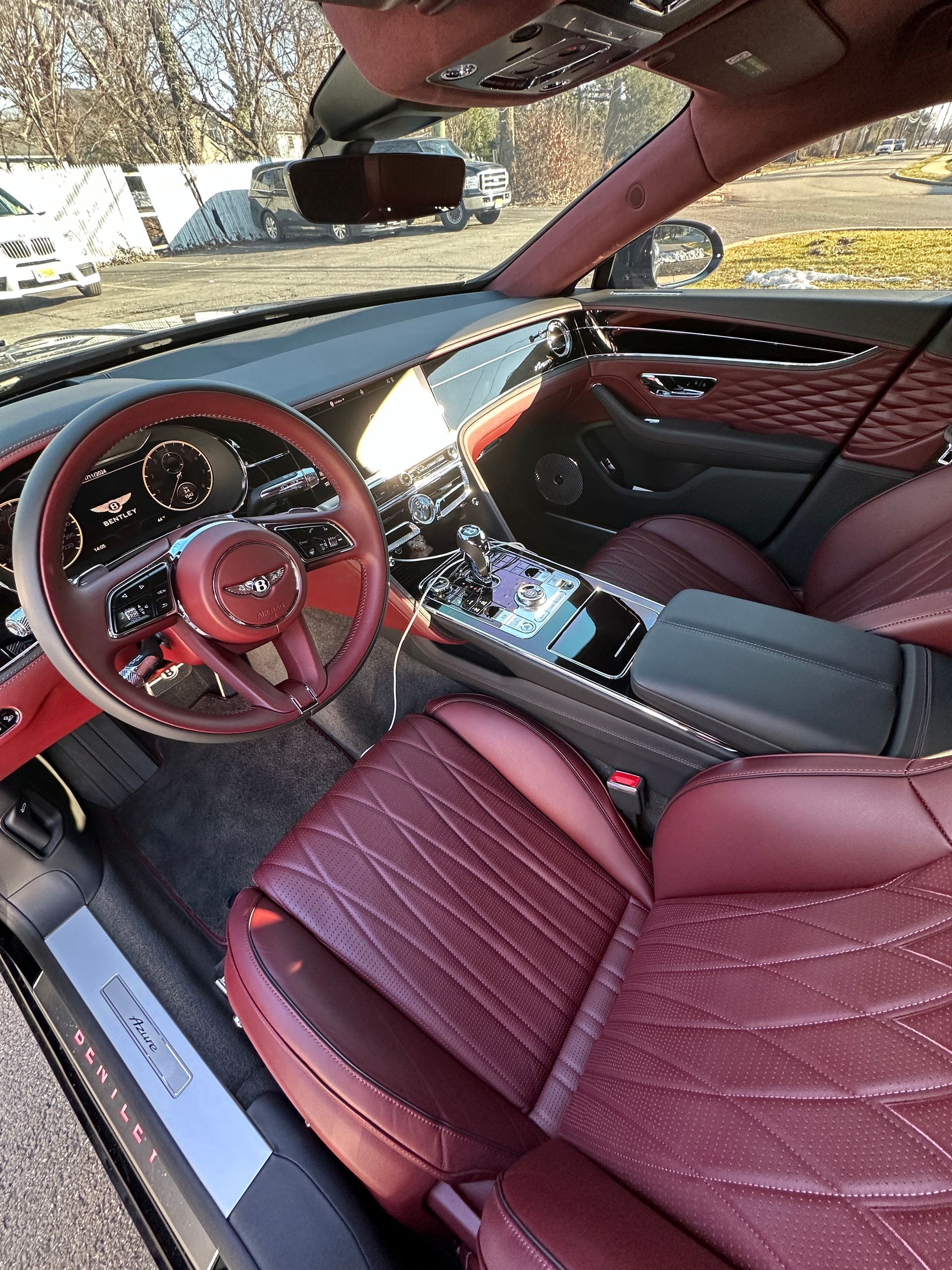

Routine Maintenance Tips for Longevity
Consistent maintenance preserves the very surfaces you interact with every day. Regular cleaning, whether a simple dusting or a comprehensive wipe-down, dramatically reduces the chance that dirt, oils, and grime will embed themselves into fabric, plastics, or leather. Consider scheduling specific tasks: weekly light dusting and vacuuming stop buildup before it becomes stubborn, monthly deeper cleans tackle occasional stains and allow time to apply protective treatments, and periodic inspections of leather and other sensitive materials ensure they receive the conditioning they need.
Using pH-neutral cleaners specifically formulated for automotive interiors is crucial, as harsh chemicals can discolor plastics and strip away protective coatings. Applying cleaners onto a cloth rather than spraying directly onto surfaces minimizes overspray and avoids streaks or runoff seeping into speaker grills or control switches. Keeping humidity levels inside your vehicle controlled also helps prevent mildew growth without drying out leather or vinyl. Using sunshades when parking reduces heat damage and fading caused by direct sunlight. A dedicated routine for maintaining interior trim and surfaces ensures your car remains comfortable and visually appealing over time. With consistent care, you protect your investment and enhance every drive with a fresh, well-kept environment.
Protect the Interior You Rely On Every Day
Your vehicle’s interior experiences constant exposure to sunlight, dust, and everyday spills, which is why Automotive Specialty Wraps provides
thorough interior detailing services in Ho-Ho-Kus, NJ. Our process targets hidden debris, restores clarity to trim and panels, and conditions materials to help prevent fading and cracking over time. With professional tools and a structured approach, they help maintain the comfort and resale value of your vehicle.
Contact us today to give your interior the attentive care it deserves!