Smart Maintenance for Paint Protection Film Longevity: Best Care Tips to Extend Durability
Taking care of your car's paint protection film (PPF) might seem like a small detail, but it makes a significant difference in keeping your vehicle looking new for years. Many people assume that once the film is installed, maintenance is minimal. The truth is, smart upkeep is the key to making it last. From simple cleaning habits to protecting the film from sun and environmental damage, there are straightforward steps you can take to keep your PPF clear, strong, and scratch-free.
Smart maintenance involves regular hand washing with PPF-safe products, prompt removal of contaminants like bird droppings and bug splatter, and protecting the film from UV damage using appropriate sealants such as SiO₂ sprays. Storing your vehicle in a garage and avoiding harsh chemicals or abrasive tools will also preserve the self-healing topcoat and ensure your paint protection lasts optimally for 7 to 10 years.
Essential Cleaning Techniques
Hand washing is the cornerstone of proper PPF care. Automatic car washes may seem convenient, but their harsh brushes and strong chemicals can slowly degrade the film's surface, causing premature yellowing or micro-scratches that dull the finish. Start with a gentle rinse using lukewarm water to loosen any dirt or road grime. This initial step prevents you from scrubbing particles that could scratch the film. Next, use the two-bucket method: one bucket filled with a pH-neutral, PPF-safe shampoo solution and another with clean water for rinsing your wash mitt. This system keeps contaminants out of your soap bucket, reducing the chance of rubbing dirt onto the film.
Using a high-quality microfiber wash mitt, wash in straight vertical or horizontal strokes rather than circular motions. This technique helps avoid swirl marks, which are subtle scratches that affect the smoothness of your film. Washing every 7 to 10 days is important because pollutants like bird droppings and bug splatter contain acidic compounds that can etch into PPF if left unattended. Once washing is complete, drying carefully is your next focus. Pat-drying with a plush microfiber towel works well for most surfaces. For stubborn droplets in seams or curves, an automotive air blower gently removes water without applying pressure or friction to the film.
Drying promptly after rinsing prevents minerals in the water from crystallizing on your film and causing hazy white spots over time. Always avoid household towels or rough cloths that could mar the surface. Additionally, treating your PPF periodically with a ceramic coating formulated specifically for paint protection films enhances its hydrophobic properties, meaning water beads up and rolls off easily. Applying these sealants every 6 to 12 months will simplify future cleanings and extend the life of your film by maintaining its clarity and flexibility.
Protecting Against Environmental Hazards
Your paint protection film acts as an invisible shield, but even the toughest protection needs consistent care to stay effective. Acidic deposits such as bird droppings, bug splatter, and tree sap pose significant risks, as these contaminants carry acids that can etch or discolor the film if left unattended. This is why routine inspections every one to two weeks are essential for spotting hazards before they cause permanent damage. Prompt removal is critical. Once deposits bake onto the surface under heat, they become stubborn and much harder to clean without risking scratches or film damage.
A gentle approach using PPF-safe spot cleaners and soft microfiber cloths works best. Aggressive chemicals or abrasive materials should be avoided, as they can degrade the topcoat and reduce the film's ability to self-heal minor scratches. Road salt and industrial fallout are also common threats, especially in colder climates or urban areas. Salt accelerates the chemical breakdown of both the film and its adhesive layers. Washing your vehicle within 48 hours after salt exposure significantly reduces the risk of corrosion. Acid rain, a byproduct of industrial pollution, can also etch surfaces over repeated exposure cycles.
Using hydrophobic sealants designed for PPF adds a repellent layer that reduces the absorption of harmful substances, effectively increasing the film's lifespan. Storing your car indoors or under covered parking shields it from direct sunlight and airborne contaminants such as pollen and dust that settle into microscopic crevices on the film surface. Over time, these particles combined with moisture can act as mild abrasives, dulling clarity and weakening the adhesive.
Adding Extra Layers for Durability
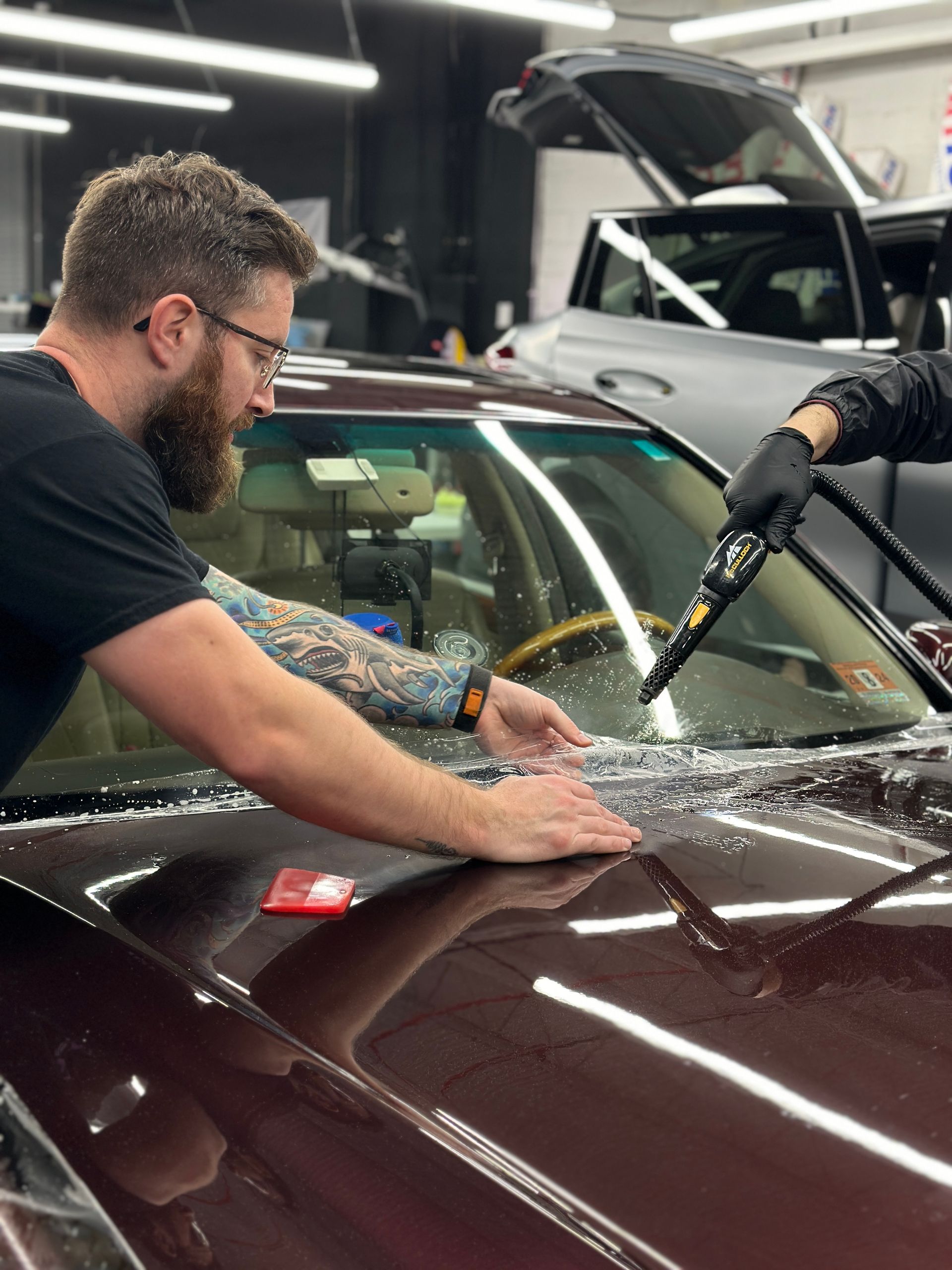
One effective strategy for extending PPF longevity is applying additional protective layers. Standard PPF is already robust, but a second layer increases scratch resistance while also enhancing UV protection. This means your film not only physically defends against chips and scratches but also maintains its clarity and flexibility longer under direct sunlight. However, applying multiple layers should always be done professionally, as the process requires precision. Misalignment or trapped air bubbles can undermine both effectiveness and appearance. While adding an extra layer does increase the overall cost due to materials and labor, the extended warranty period and improved durability often justify the investment.
If you plan on keeping your vehicle long-term or regularly driving in demanding environments, the protection benefits are well worth considering. A complementary approach is applying a ceramic coating on top of your PPF. Ceramic coatings bond with the film's surface, creating an additional shield that repels dirt and water while minimizing fine scratches. Using ceramic coatings alongside PPF creates a layered defense system that is particularly effective against daily environmental exposure.
Common Maintenance Mistakes
One of the most frequent and costly mistakes is using everyday household cleaners on PPF. Products containing alcohol, ammonia, or strong solvents can weaken the adhesive layer beneath the film, causing cloudiness and peeling over time. Always check your cleaner's ingredients and choose products specifically certified as safe for PPF. Ignoring small damages is another common error. Tiny chips, micro-scratches, or slight abrasions may seem too minor to address, but moisture and contaminants can infiltrate through these breaks and accelerate wear. Regularly inspecting your film allows you to catch these imperfections early and use repair kits designed for PPF to restore protection before a full replacement becomes necessary.
Overreliance on automatic car washes is also problematic. The rotating brushes in these machines create swirl marks and micro-abrasions much faster than gentle hand washing does. Frequent use of automated washes significantly increases surface wear, making hand washing the far safer option. Leaving contaminants like bird droppings or tree sap unattended for more than 24 hours invites etching that can permanently stain or weaken the protective coating. Consistent cleaning every 7 to 10 days prevents the kind of buildup that gradually erodes the top layers. Improper drying is equally problematic because water spots from mineral deposits form quickly and etch the surface when dried by sun exposure alone. Finally, applying sealants that contain petroleum distillates can damage adhesive strength and lead to premature lifting or peeling. Opt for SiO₂-based sprays developed specifically for PPF to protect against UV degradation while enhancing durability without compromising adhesion.
Benefits of Proper PPF Care
Taking care of your paint protection film extends its lifespan, preserves its self-healing properties, and ultimately protects the costly finish underneath. Consistent habits like regular gentle washing and applying protective sealants prevent the deep-set stains and brittleness that would otherwise shorten the film's effectiveness. From a financial perspective, proper maintenance reduces the need for early replacements or costly repairs. Since professional PPF installations represent a premium investment upfront, protecting that investment through thoughtful care is simply smart decision-making.
Well-maintained films also retain optical clarity for years longer than neglected ones, meaning your vehicle stays looking its best for a much greater period. Proper PPF care is not an optional luxury. It is essential insurance for your car's appearance and long-term value. Adopting habits such as washing hands regularly, using pH-neutral cleaning agents, applying SiO₂-based sealants, avoiding high-pressure water jets aimed at film edges, storing your vehicle in shaded or covered spaces, and inspecting for early signs of edge lifting all contribute to better protection and lasting results.
Trusted PPF Installation in Ho-Ho-Kus
Automotive Specialty Wraps provides
top-tier paint protection film services in Ho-Ho-Kus, NJ for drivers who want reliable, professional results. Every installation begins with detailed surface preparation to ensure proper adhesion and a smooth finish that blends seamlessly with your vehicle’s paint. Designed to handle everyday driving conditions, professionally installed PPF helps maintain clarity, reduce surface wear, and protect long-term value.
Contact us today and give your vehicle the durable protection it deserves!