
Northern New Jersey gives drivers a little of everything. Hot, humid summers where the cabin turns into an oven at noon. Cold winters with low-angle sun streaming across the windshield. Rainy springs, hazy mornings, glare bouncing off wet pavement. Window tint that works in one season but falls flat in another isn't doing enough for the kind of driving most people actually do. Quality films handle all of it, blocking heat when it's hot, cutting glare when the sun is low, and holding visibility steady when conditions shift. For drivers looking into auto window tinting Elmwood Park options, knowing how the right film performs across the calendar year is what helps you pick coverage that pays off in every kind of weather.
Why Weather Conditions Affect Window Tint Performance
Window film isn't a single product. Different films do different things, and how a film performs depends a lot on the conditions outside your vehicle. Lower-grade dyed films fade after a couple of summers. Better ceramic films handle heat well but cost more upfront. Picking the right type comes down to what you face daily.
What outside weather actually does to your cabin:
- The sun on hot days drives interior temperatures far past the air outside
- UV rays fade upholstery, crack dashboards, and stress trim materials
- Low winter sun creates blinding glare during commute hours
- Reflections off wet roads or snow magnify brightness on bright days
- Humidity buildup inside the car makes visibility harder in foggy weather
Premium film options handle all of these to different degrees, which is why looking at what conditions you actually drive in matters more than just picking the darkest shade.
Summer Heat: The Biggest Demand on Window Film
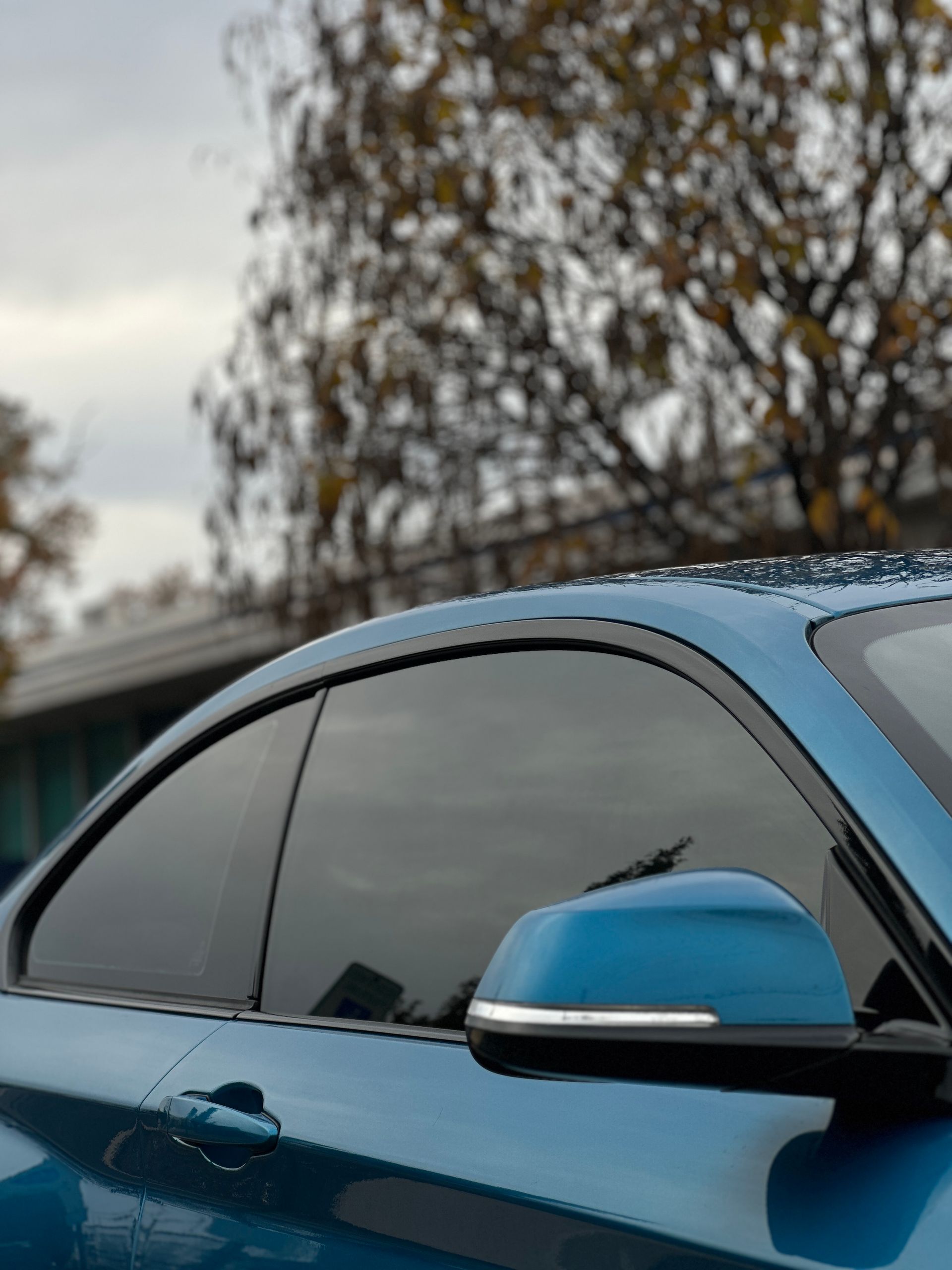
This is where most drivers see the biggest payoff. A parked car in direct sun can hit interior temps well above what's outside, even with windows cracked. Quality tint with strong infrared rejection cuts that build up. The result is a cooler cabin when you get in, less AC strain when you start driving, and fabric and leather that don't bake all summer long.
Summer benefits include:
- Reduced cabin temperatures in parked vehicles
- Less stress on the AC system
- Cooler seats and steering wheels at the start of every drive
- Slower fade on upholstery and dash materials
- Lower fuel consumption from running the AC less
Quality matters a lot here. Lower-quality films block visible light but let infrared through, which means your cabin stays just as hot as before. Some drivers pair tint with matching protection upgrades for full-vehicle defense against summer conditions.
Auto Window Tinting Elmwood Park: Cool-Weather Performance
Auto window tinting Elmwood Park installations earn their value during the winter months, too, even when heat isn't the main concern. The sun sits lower in the sky from October through March, hitting the windshield and front side windows at angles that cause direct glare for hours each day.
Cool-weather tint benefits:
- Reduced glare during morning and evening commute hours
- Less squinting and eye strain on bright, clear days
- UV rejection is still active even when outside temperatures drop
- Some heat retention inside the cabin during cold spells
- Privacy that doesn't change with the seasons
UV exposure doesn't go away in winter. Snow and bright pavement actually reflect UV rays upward, increasing your exposure during sunny winter drives. Drivers who ski, take road trips on country roads, or commute past snowy fields benefit from year-round UV defense that keeps working when the thermometer drops.
Glare Reduction Through Every Season
Glare is probably the most underrated benefit of quality tint. It's not just hot summer days. Glare changes through the year based on the sun's angle, road conditions, and surroundings. The lower the sun sits, the more it hits your eyes directly. Quality side window tint reduces this for the driver and rear passengers alike.
Common glare scenarios across the year:
- Morning commutes with the sun in your driver's side window
- Evening drives with low sun reflecting off windshields ahead
- Wet pavement after rain, bouncing light up into your face
- Snow surfaces reflecting bright sunlight back up
- Headlights from oncoming cars during dark winter mornings
A consistent layer of tint cuts these down significantly, even though no film completely removes glare. Drivers who deal with long commutes or notice eye fatigue from sun exposure often find tint makes more of a difference than they expected.
What Quality Installation Looks Like
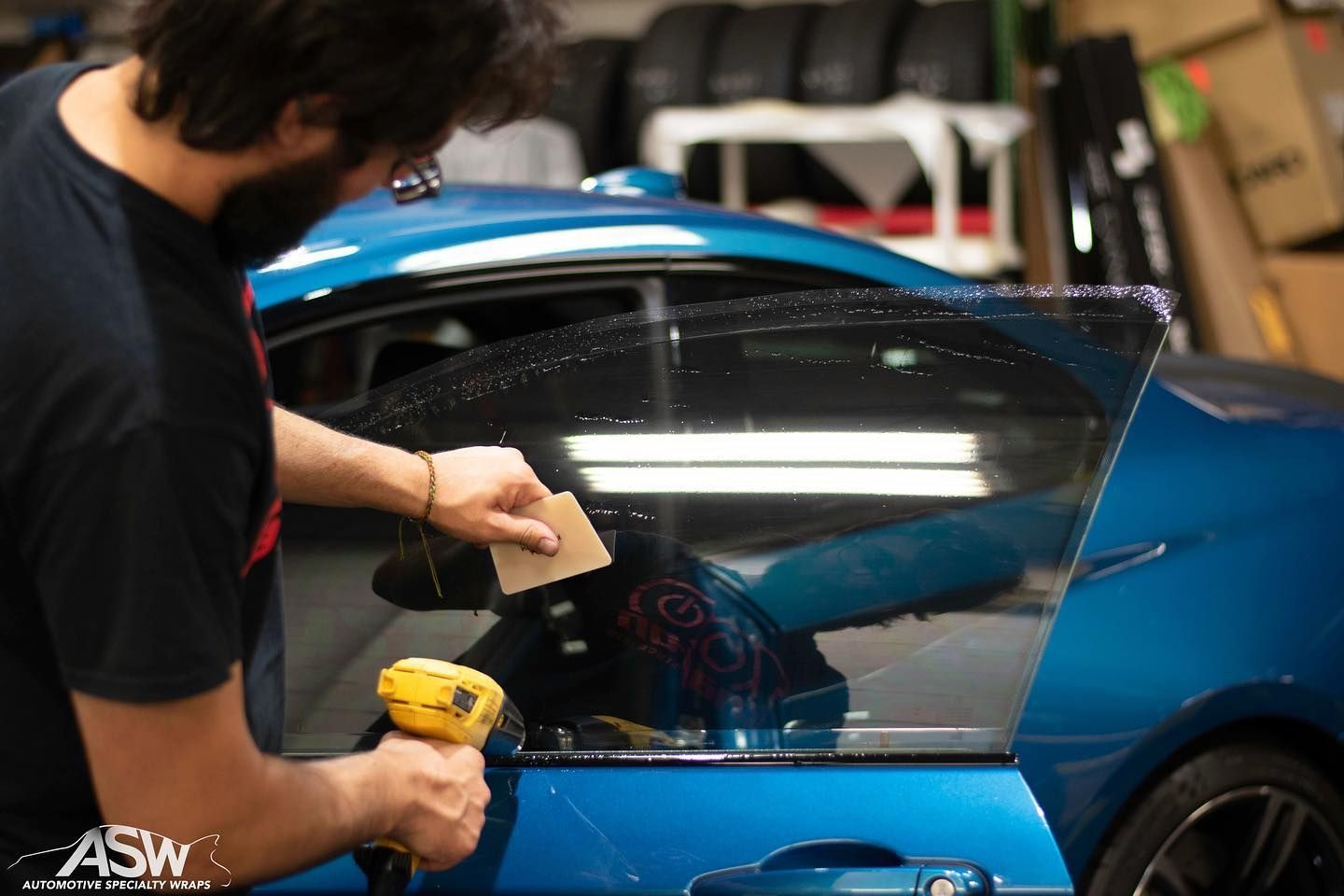
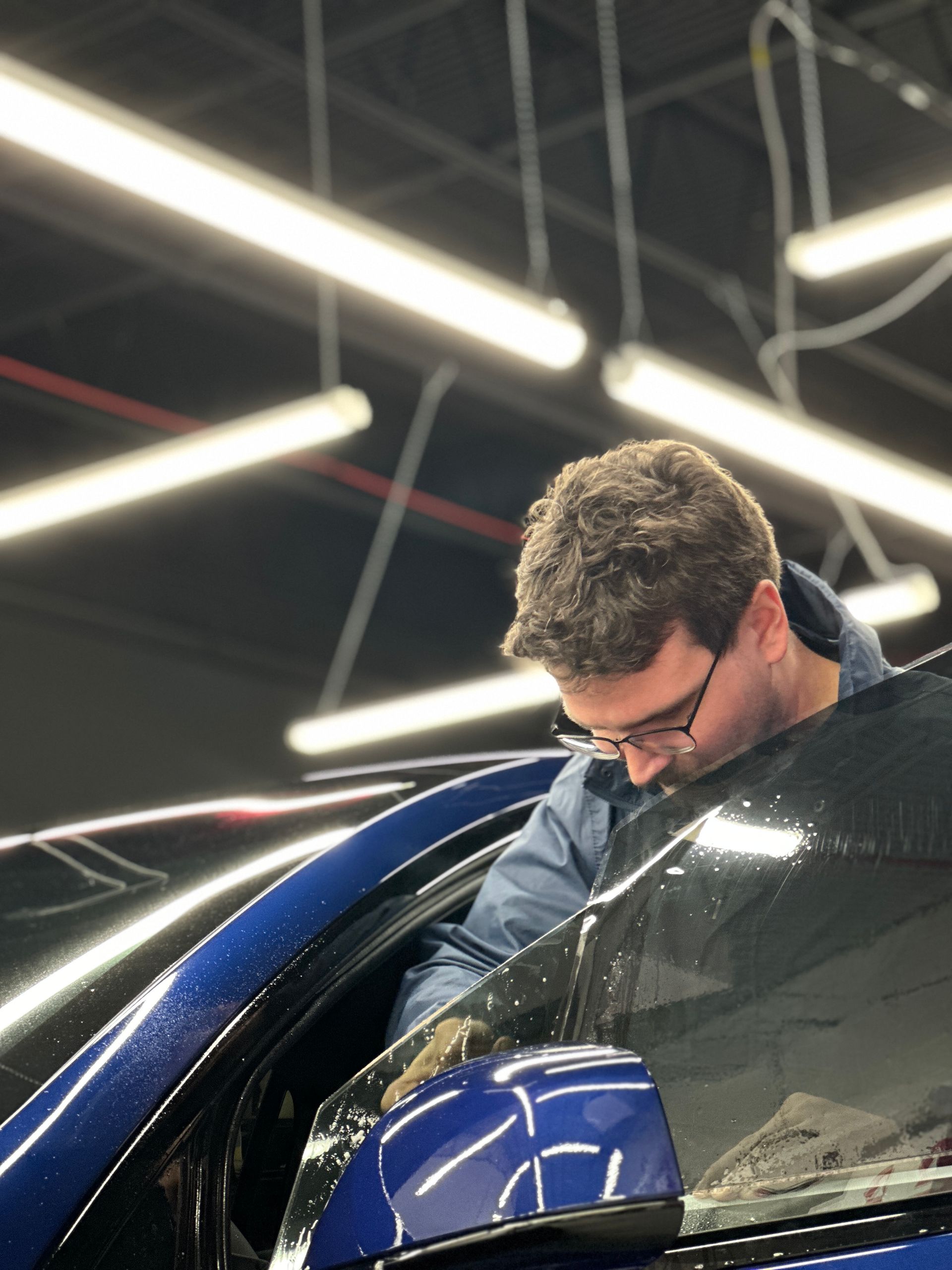
The film you pick is only half the result. Installation skill matters just as much. A good installer lays film evenly without bubbles, trims edges cleanly into seals, and matches multiple windows so they all look identical. Pros work in dust-controlled bays with proper lighting, which is what makes the finished work look factory-installed.
What the right shop brings to a quality install:
- Cleaning glass thoroughly so film bonds without trapped particles
- Heat-shrinking rear windows to match curved glass shapes
- Tucking edges into rubber seals for a hidden coverage line
- Matching darkness percentages across all four side windows
- Following state and local tint laws during the selection process
Skipping any of these shows up later. Bubbles in the first week, lifting edges after a month, mismatched shades that jump out from any angle. None of it is fixable without redoing the panel.
Book Your Elmwood Park Tint Appointment
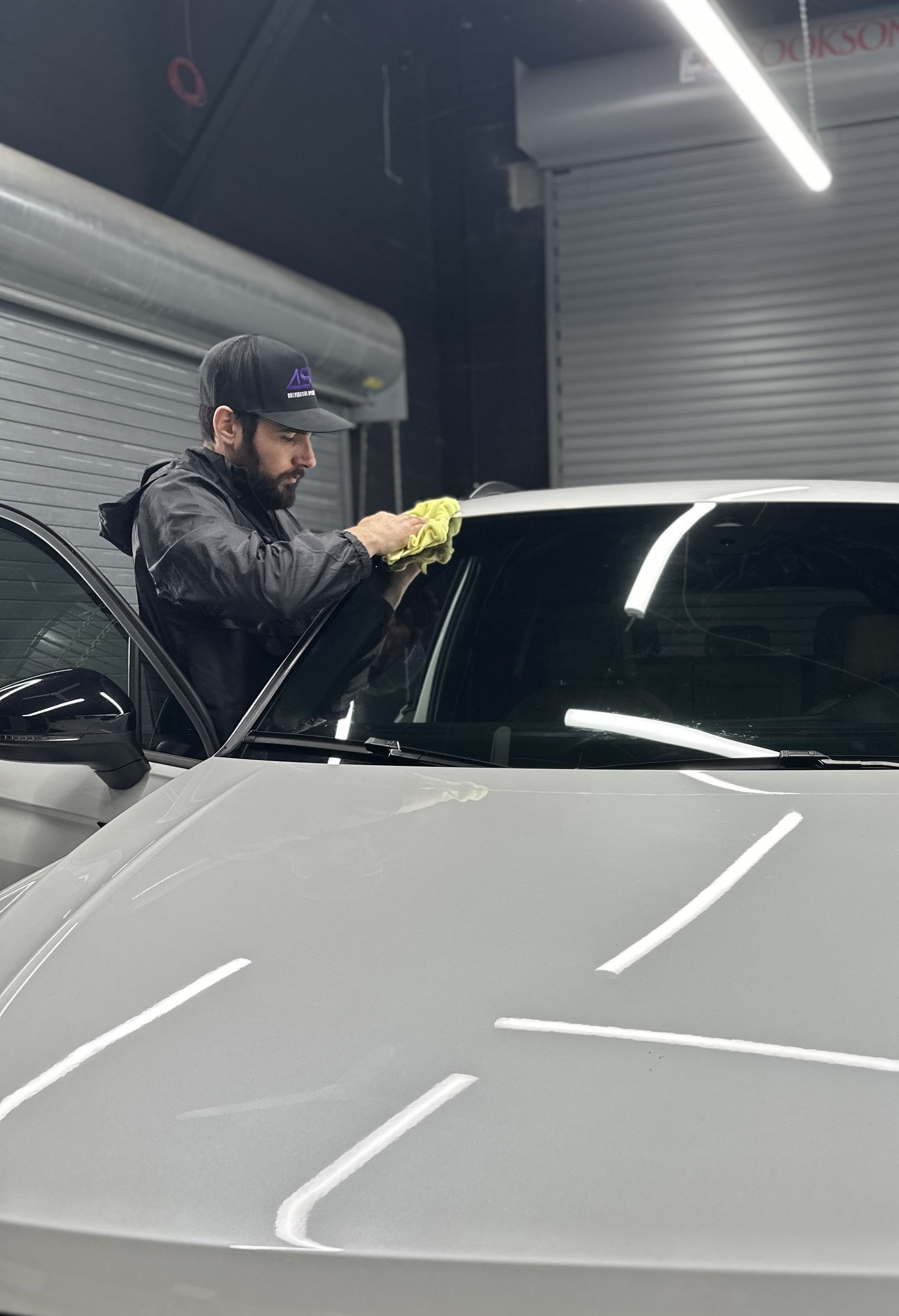
Ready to get your windows handling every season the way they should? Automotive Specialty Wraps runs an IDA-certified shop with more than ten years of installs in the area, offering appointments for Elmwood Park drivers using premium-grade films built for year-round performance. We're enthusiasts at heart, so every install gets the same care we'd give a car parked in our own driveway. Curious what shade or film grade fits your auto window tinting Elmwood Park appointment? Tell us what you're driving, and we'll match you up with the right setup.
Frequently Asked Questions
Does window tint really make a noticeable difference in summer heat?
Yes, particularly with quality ceramic or infrared-rejecting films. A car parked in direct sun can climb 30 to 40 degrees above the outside air temperature within an hour. Tint that blocks infrared radiation cuts that buildup, so the cabin stays cooler and your AC has less work to do while driving. Lower-grade dyed films don't do much for heat since they only darken glass. The film grade matters more than the darkness percentage for summer comfort.
Can window tint still help during cold winter months?
Yes. UV protection works year-round, and winter sun sits lower in the sky, which often causes worse glare than midsummer. Tint also offers a small amount of insulation by reducing heat loss through glass, though the effect is modest. Some drivers notice their cabin stays slightly warmer once tint is added, particularly on cold sunny days. Privacy and UV defense don't take a winter break either, so the value extends well past warm months.
How much can quality tint reduce glare?
It depends on film grade and shade percentage. Quality ceramic films can reduce glare by a substantial portion without making the windows look extremely dark. Darker films obviously cut more light, but the goal is balance. Cutting glare without making it harder to see at night or in low-light conditions matters as much as blocking bright sun. A good shop walks you through how each film performs under different lighting before you commit to a shade.
Will tinted windows fog up more in humid weather?
Tint itself doesn't cause fogging. Cabin humidity from breath, wet clothes, or rain coming in does that. Quality tint with proper installation won't change how your defroster works either. If anything, tinted windows can help your defroster clear faster on cold mornings since the film holds more heat inside. Older or poorly installed film might trap moisture between layers, which is a separate problem that pro installation prevents.
What tint percentage works best for year-round driving?
That depends on your state's tint laws, your driving habits, and how much privacy or heat rejection you want. Lighter shades let in more light at night and during low-light conditions. Darker shades cut heat and glare more, but reduce visibility after dark. Many drivers settle on a middle range that balances both. A pro installer who knows local regulations can help you pick a shade that handles year-round conditions without running into legal issues.