
Not everyone has a garage. Plenty of drivers around Glen Rock park on the street, in a driveway, or under a tree that drops something sticky every other week.
That kind of daily exposure adds up faster than people realize. Sun bakes the paint, pollen coats the windshield, sap drips on the hood, and pretty soon the car looks tired even though nothing's actually wrong with it. The fix isn't a quick car wash either. It takes a real detailing approach built around what outdoor parking actually throws at a vehicle.
For owners looking into full auto detailing Glen Rock services, knowing how outdoor exposure changes the care a car needs is the first step toward keeping it looking sharp through every season.
What Outdoor Parking Does to a Car
A vehicle that lives outside takes a beating in ways that don't always show up right away. The damage builds slowly, layer by layer, until one day you notice the paint looks dull or the dash has a haze you can't wipe off. The big culprits:
- Sun and UV exposure that fades paint, dries out trim, and cracks dashboards
- Pollen and tree debris that bake onto the finish during hot months
- Bird droppings and sap that eat into the clear coat if left too long
- Acid rain and water spotting from minerals in standing water
- Dust and pollution that grind into the surface over time
- Temperature swings that stress paint, rubber seals, and interior plastics
None of this is dramatic on its own, but together they shorten the life of every exterior surface. Real detailing is what pulls the buildup off and protects what's underneath.
Why Full Auto Detailing Glen Rock Service Matters for Outdoor Cars
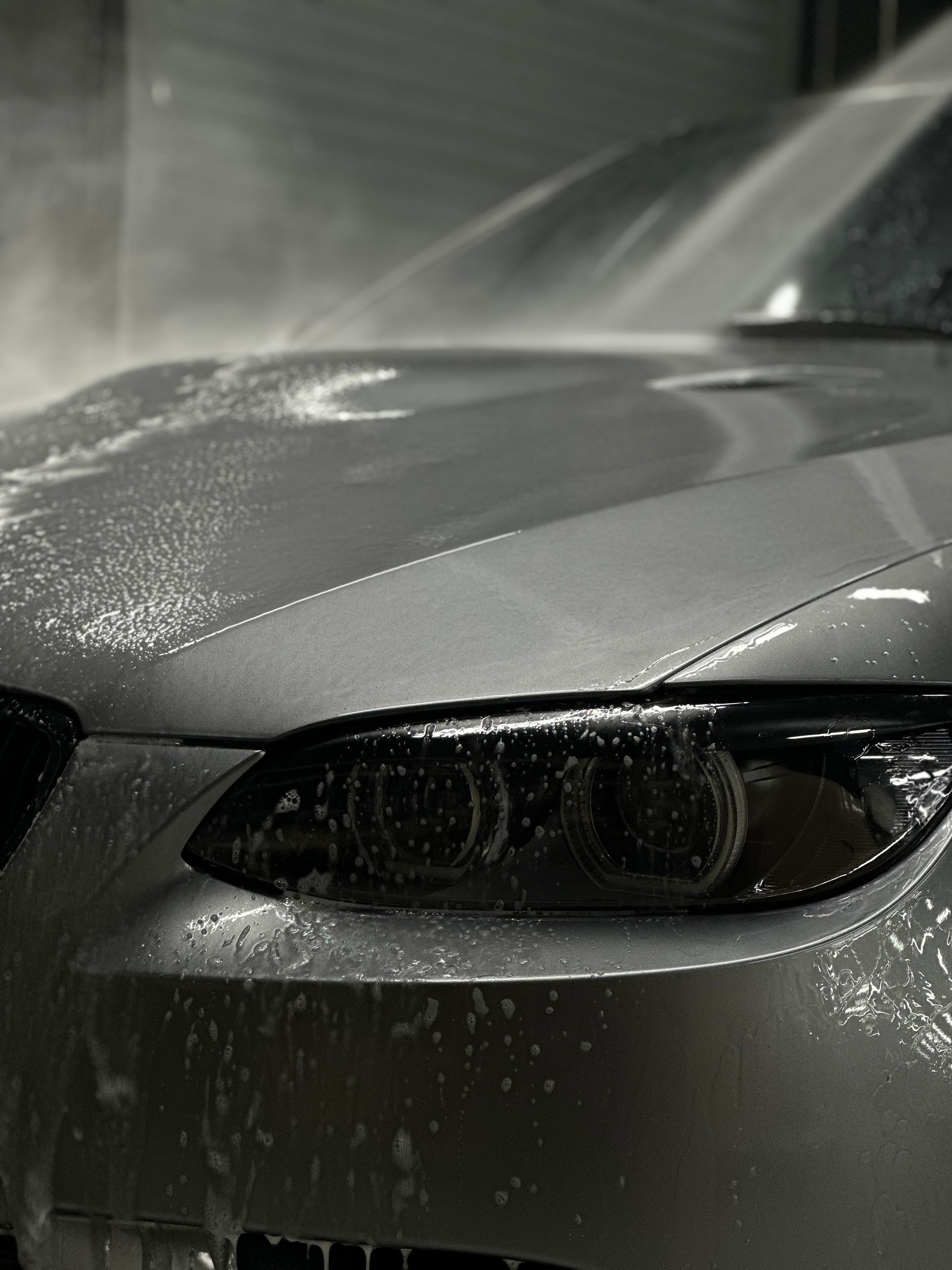
A standard wash gets the loose dirt off. Applying a full auto detailing Glen Rock goes way past that. It includes paint decontamination, deep interior cleaning, and protective steps built to handle exactly the buildup that outdoor parking creates. The process pulls out contamination you can't see, restores surface clarity, and adds a layer of protection that helps the car shed the next round of pollen, sap, and water spots.
Pro detailing for outdoor vehicles usually covers:
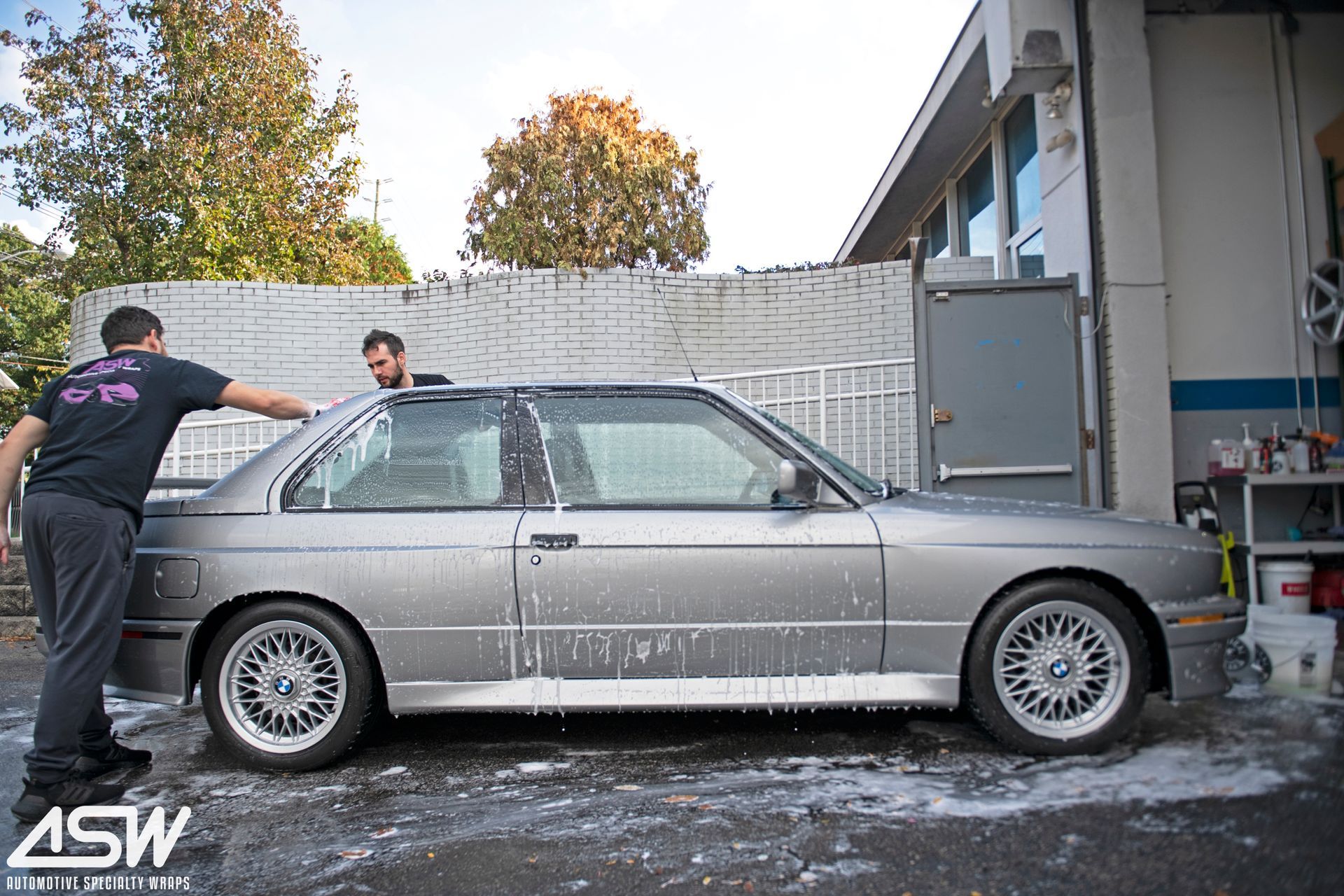
- Two-bucket hand wash to lift dirt without grinding it back in
- Clay-bar pass to pull out bonded contamination from the paint
- Removal of bug, tar, and sap residue
- Deep cleaning of interior surfaces, trim, and vents
- Conditioning of leather and UV protection on plastic surfaces
- Application of a paint sealant for ongoing defense
Each step targets the specific damage outdoor parking causes. Skip any one, and something stays on the surface to work against the finish.
Exterior Care That Holds Up Through the Seasons
Northern New Jersey weather swings hard. Hot summers, cold winters, plenty of rain, salt on the roads, and a fair amount of pollen in spring. Cars parked outside catch all of it. A solid exterior detail strips away the buildup first, then puts protection in place to slow down the next round.
What that looks like in real terms:
- Paint decontamination clears out road grime, sap, and embedded particles
- Clay-bar pass leaves the paint glassy smooth to the touch
- Wheel and tire cleaning removes brake dust and grime buildup
- A no-sling tire dressing keeps the rubber looking fresh without flinging onto the paint
- Paint sealant adds a layer of defense against UV, rain, and pollution
The sealant step is where outdoor cars get the biggest payoff. It's not the same as a ceramic coating, but for vehicles without one, sealant is the workhorse layer keeping daily exposure from chewing through the clear coat.
Interior Care for Sun-Exposed Cabins
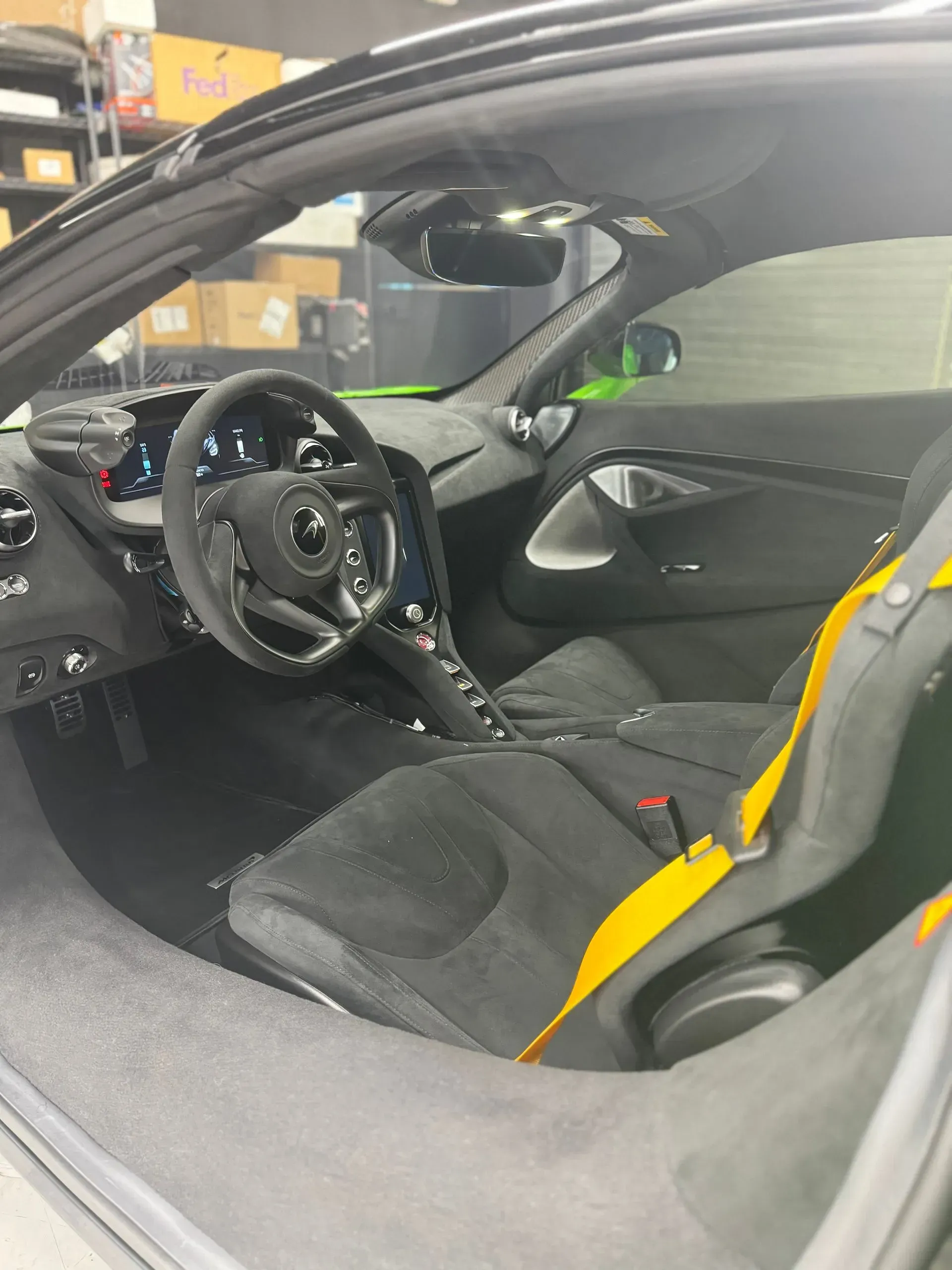
Outdoor parking hits the inside of the car just as hard as the outside. Sun pouring through the windshield bakes the dash, fades upholstery, and dries out leather over the years. Heat trapped inside on hot days speeds it all up. A proper interior detail tackles the buildup and adds protection where it counts.
Common interior steps for outdoor-parked vehicles:
- Vacuuming floors, mats, seats, and the trunk area
- Wiping down vinyl, plastic, and rubber surfaces
- Deep cleaning crevices, vents, cup holders, and console gaps
- Conditioning leather seats to keep them supple
- Applying UV protection to the dash and trim
- Cleaning glass thoroughly inside and out for clear visibility
A clean interior isn't just about looking nice. Conditioned leather doesn't crack as fast. Protected plastics don't fade. Clean glass cuts down on glare. All of it makes the car more comfortable to drive and helps it hold value over time.
How Often Should Outdoor Cars Be Detailed
Frequency depends on how much exposure your vehicle gets, but outdoor-parked cars typically need detailing more often than garage-kept ones. A few rough guidelines that work for most drivers:
- A full detail two to three times a year keeps things on track
- Extra attention after spring pollen and fall leaf-drop seasons
- Quick maintenance washes in between to keep contamination from bonding
- An interior refresh as per the need, if the cabin sees heavy use or hot summer parking
- Paint correction or sealant renewal when the finish starts losing its slickness
Skipping detailing for a year or more on an outdoor-parked vehicle is usually when damage starts becoming visible. Getting in touch with a reputable auto detail shop and keeping a regular rhythm is way easier than recovering a neglected finish.

Book Your Outdoor Vehicle Detail with Us
If your car lives outside and the surface is starting to show it, a proper detail pulls things back into shape and sets up real protection. The crew at Automotive Specialty Wraps brings IDA-certified detailing care to drivers nearby, with two-bucket washes, clay-bar work, and paint sealant built into our detailing packages. We also offer paint correction for cars showing heavier outdoor wear. We work on each vehicle the way we'd want ours handled.
Curious what your full auto detailing in Glen Rock project would look like? Reach out to us, share your concerns, and we'll dig in.
Frequently Asked Questions
How is detailing different from a regular car wash?
A regular wash hits the surface, gets visible dirt off, and that's about it. Detailing goes way deeper. The paint gets decontaminated, contamination bonded to the surface gets pulled out with a clay bar, and a sealant goes down to add protection. The interior gets vacuumed, wiped down, conditioned, and protected, not just rinsed out. Washing is a maintenance step. Detailing is a recovery and protection step that resets the car. For outdoor-parked vehicles, washing alone won't keep up with the buildup over time.
Can detailing reverse sun damage on paint and interiors?
It depends on how far the damage has gone. Surface oxidation, minor fading, and light hazing can often be improved with paint correction and proper care. Severely cracked dashboards, deeply faded paint, or heat-damaged trim usually need replacement, not detailing. Catching outdoor exposure early keeps it from reaching the point of no return.
Is paint sealant enough protection for a car that lives outside?
Paint sealant adds real protection and is a solid layer for vehicles without ceramic coating. It helps the car shed water, resists UV exposure, and makes future washing easier. That said, drivers who want longer-lasting protection often combine sealant with periodic reapplication or step up to ceramic coating for outdoor cars. The right choice depends on how much you drive, how exposed the parking is, and how long you plan to keep the vehicle.
Does detailing help with interior smells from outdoor parking?
It can help a lot. Heat builds up inside parked cars and traps odors from food spills, pet hair, and general use. A full interior detail vacuums everything out, deep cleans fabric and carpet, wipes down all hard surfaces, and clears out vents. That typically takes care of most smells. Stubborn odors from smoke or moisture damage may need extra work, but the standard interior detail handles the buildup from daily outdoor parking.
When is the best time of year to detail an outdoor-parked car?
Spring and fall are popular for good reason. Spring detailing clears off winter salt, grime, and any moisture damage from cold weather. Fall detailing strips out summer pollen, sap, and sun buildup before winter sets in. Many owners do both. A mid-summer touch-up also helps in regions with heavy pollen or lots of outdoor events. The honest answer is whenever the car starts looking tired, but two scheduled details a year is a solid baseline.