Window tinting is one of the most practical vehicle improvements available to drivers today. Beyond the visual appeal of darkened glass, quality window film delivers real, measurable benefits: a cooler cabin, reduced UV exposure, improved privacy, and added protection. At Automotive Specialty Wraps in Hawthorne, New Jersey, our IDA-certified team installs window tinting as part of a broader commitment to protecting and enhancing every vehicle that comes through our doors. Whether you drive a daily commuter or a prized weekend car, understanding what window tinting offers will help you make a confident, informed decision.
Why Window Tinting Matters for Cabin Comfort
On a hot day, an untinted vehicle can reach interior temperatures that make driving genuinely uncomfortable and even hard on your car's components. Window tinting addresses the issue directly by blocking infrared radiation, which is the primary source of solar heat buildup inside a cabin. The result is a noticeably cooler interior that puts less demand on your air conditioning system and makes every drive more enjoyable.
UV protection is another significant advantage. Prolonged UV exposure is linked to skin damage and poses serious health risks for drivers and passengers who spend regular time behind the wheel. Quality tint films block the vast majority of both UVA and UVB rays, creating a protective barrier for your vehicle's occupants. This same protection extends to your car's interior. Dashboards, upholstery, and trim panels all degrade faster under constant sun exposure, and tinted windows slow that process considerably, helping preserve your vehicle's appearance and resale value over the long term.
Glare reduction and privacy round out the core benefits. Tinted windows soften intense sunlight that causes eye strain on longer drives, and they make it harder for passersby to see inside your vehicle, discouraging opportunistic theft and giving you a greater sense of personal space on the road.
Comparing Window Tint Materials
Not all window tint films perform the same way. The material used determines how well a film blocks heat and UV rays, how long it lasts, and whether it interferes with your vehicle's electronics.
- Dyed Films: They are the most budget-friendly option. They absorb solar energy rather than reflecting it, which provides some glare reduction and a clean look. However, they offer limited heat rejection and are prone to fading over time, making them a less durable long-term investment.
- Metalized Films: They use tiny metal particles to reflect sunlight away from the glass, giving them solid heat rejection and good durability. The tradeoff is that the metal content can interfere with GPS, cellular, and Bluetooth signals, which is a meaningful drawback for drivers who rely on connected devices.
- Carbon Films: They offer a strong balance of performance and value. They block infrared heat effectively without disrupting electronics, carry a matte finish that reduces glare, and hold up well over time. For drivers who want solid results at a reasonable price, carbon is a compelling option.
- Ceramic Films: They are the most advanced choice available and the standard we recommend for drivers who want the best possible outcome. Ceramic tints use microscopic ceramic particles that are non-conductive and highly effective at blocking both heat and UV rays, all while allowing strong visible light transmission so your road visibility stays sharp. They resist fading and scratching better than any other material, produce no signal interference, and maintain their performance year after year.
When weighing your options, consider long-term value alongside upfront cost. A film that fades quickly or causes ongoing signal issues can end up costing more than a quality installation done right the first time.
Professional Installation vs. DIY
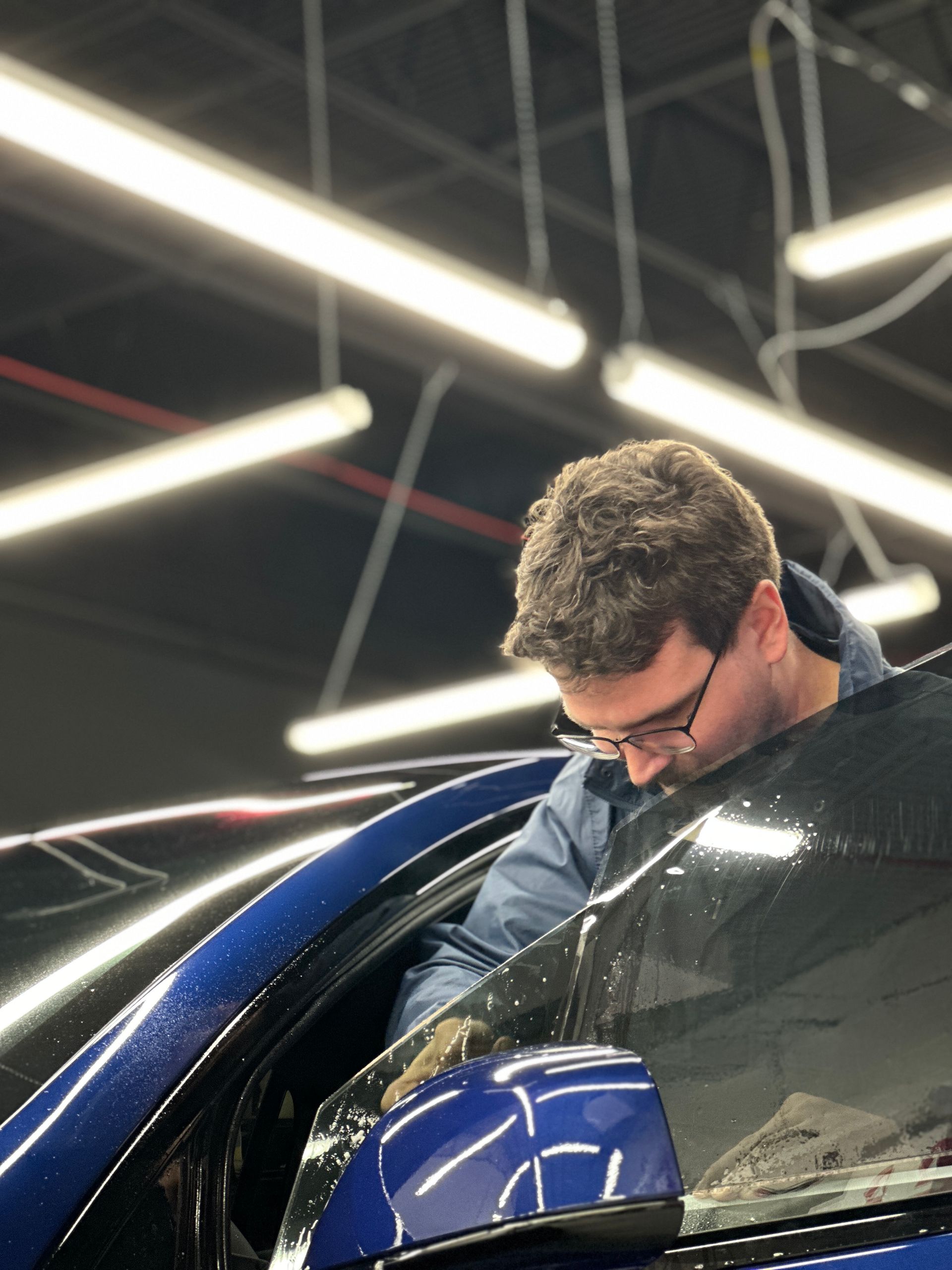
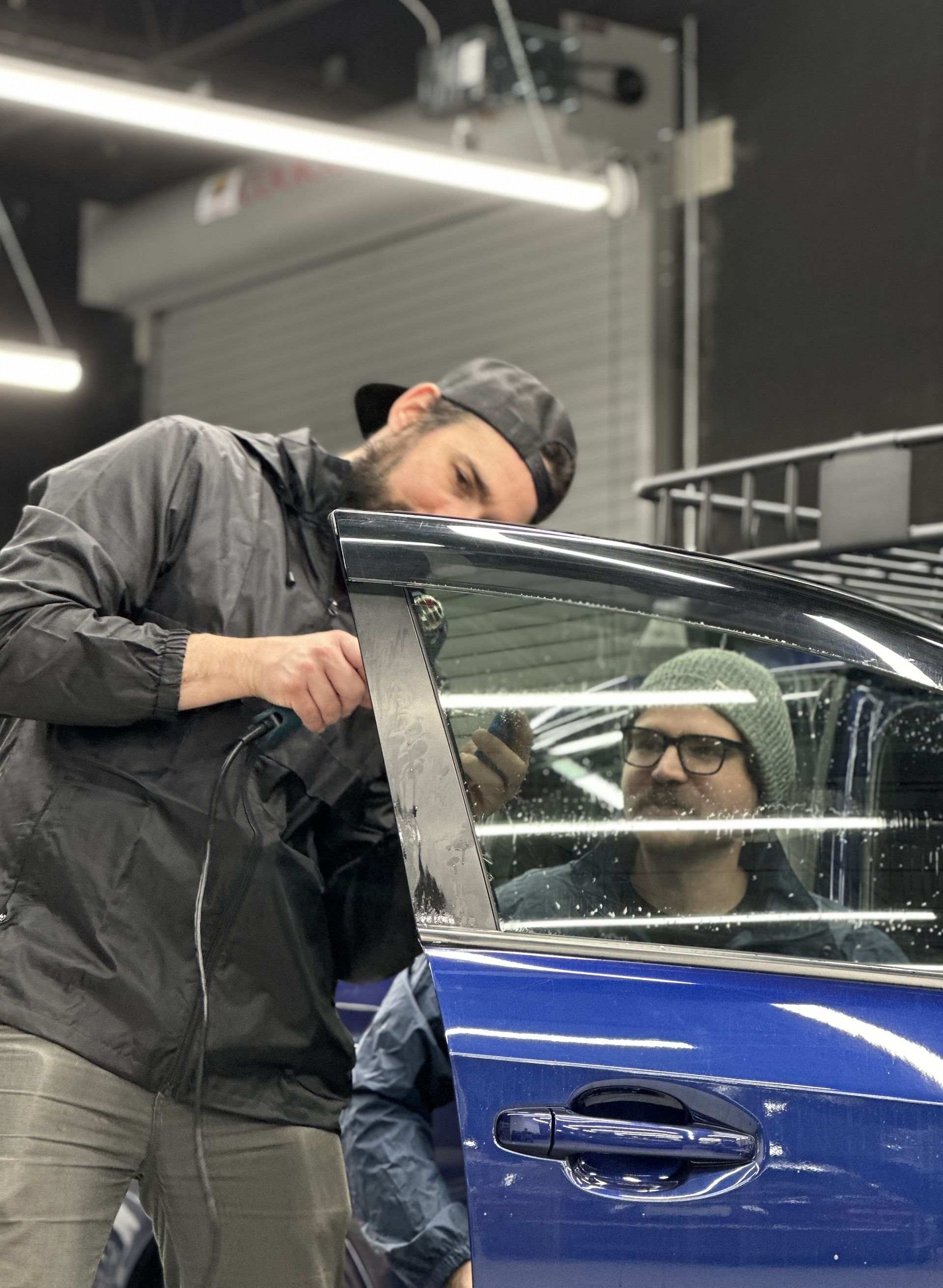
DIY window tint kits can seem like an appealing way to save money, but applying window film is a precise and technically demanding process. It requires a clean, dust-free environment, careful alignment, and consistent pressure to avoid bubbles, creases, and lifting edges. Any contaminant trapped under the film during application becomes a permanent defect.
Professional installation eliminates these risks. Our team at Automotive Specialty Wraps has the tools, training, and controlled environment needed to apply tint cleanly and accurately across every window. Professional installers are also knowledgeable about local tinting regulations, a critical factor that DIY guides frequently overlook. Having your tint installed by a qualified team means your vehicle leaves compliant with the law, backed by a warranty, and finished to a standard that holds up over time.
Understanding Window Tint Laws
Window tinting regulations vary by state and, in some cases, by county. The central measure used in these regulations is Visible Light Transmission, or VLT, which indicates the percentage of light required to pass through a tinted window. A lower VLT percentage means a darker tint; a higher percentage means more light comes through.
In New Jersey, front side windows must allow a minimum of 70% of light through. Rear windows and the rear windshield permit darker configurations in many cases. Requirements can vary based on vehicle type, and medical exemptions may apply in certain situations. Our team stays current on these rules and will guide you toward options that deliver maximum comfort and privacy within legal limits. Choosing a tint that exceeds legal darkness limits can result in fines, removal orders, or complications during vehicle inspections, and it can also reduce visibility at night in ways that compromise safety on the road.
Caring for Your Tinted Windows
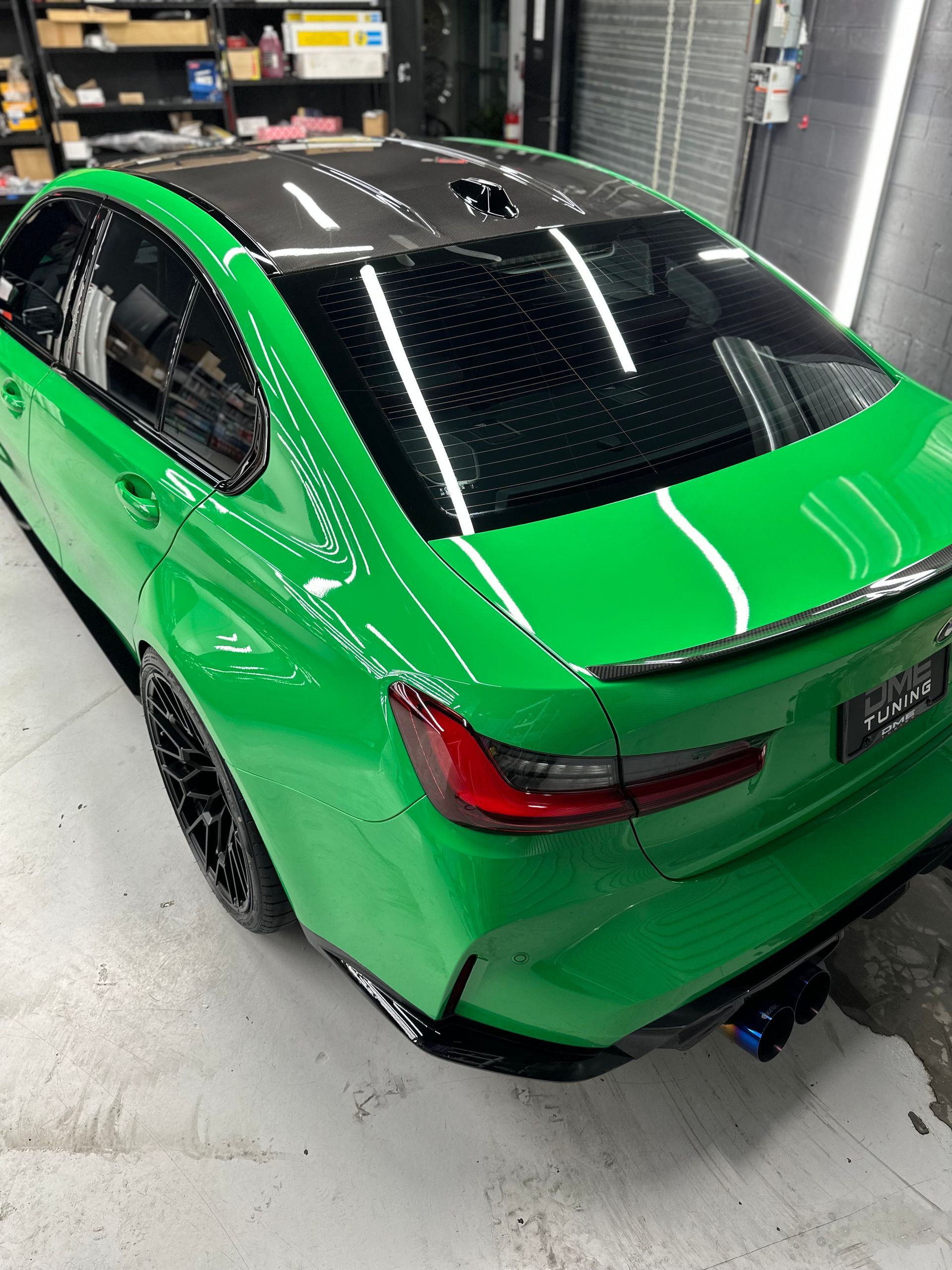
Proper care extends the life of your tint and protects the investment you have made. After installation, avoid rolling your windows down during the initial curing period to allow the film to fully adhere to the glass. When cleaning, always use a soft microfiber cloth with an ammonia-free cleaner. Ammonia-based products can break down tint films over time, causing cracking and loss of adhesion. Abrasive tools and paper towels should also be avoided, as they can scratch the film surface. A mild dish soap and water solution applied with a microfiber cloth is a safe and effective alternative.
Inspect your windows periodically for early signs of bubbling, edge peeling, or discoloration. Catching these issues early allows for quick correction before they develop into larger problems. With proper maintenance, quality window film can last well over a decade.
Is Window Tinting Right for You?
If you value a cooler cabin, UV protection, added privacy, and a well-preserved interior, window tinting is a worthwhile upgrade for any vehicle. It is a functional improvement that changes how your vehicle performs and how you feel inside it every day. At Automotive Specialty Wraps, we work with vehicle owners throughout Hawthorne and the surrounding area to find the right solution for their needs, vehicle type, and budget.
Contact us today to learn more and schedule your installation!