Keeping your car looking sharp without spending hours on upkeep is exactly what paint protection film (PPF) is designed to deliver. As an IDA-certified vehicle detailing and paint enhancement team, we know how much of a difference the right protection makes for vehicle owners who take pride in their ride. PPF works quietly in the background, shielding your vehicle's paint from chips, scratches, and fading while dramatically cutting down on the time you spend cleaning and maintaining your exterior. This guide covers everything you need to know about PPF and how to care for it so your vehicle stays in showroom condition with minimal effort.
What Is Paint Protection Film?
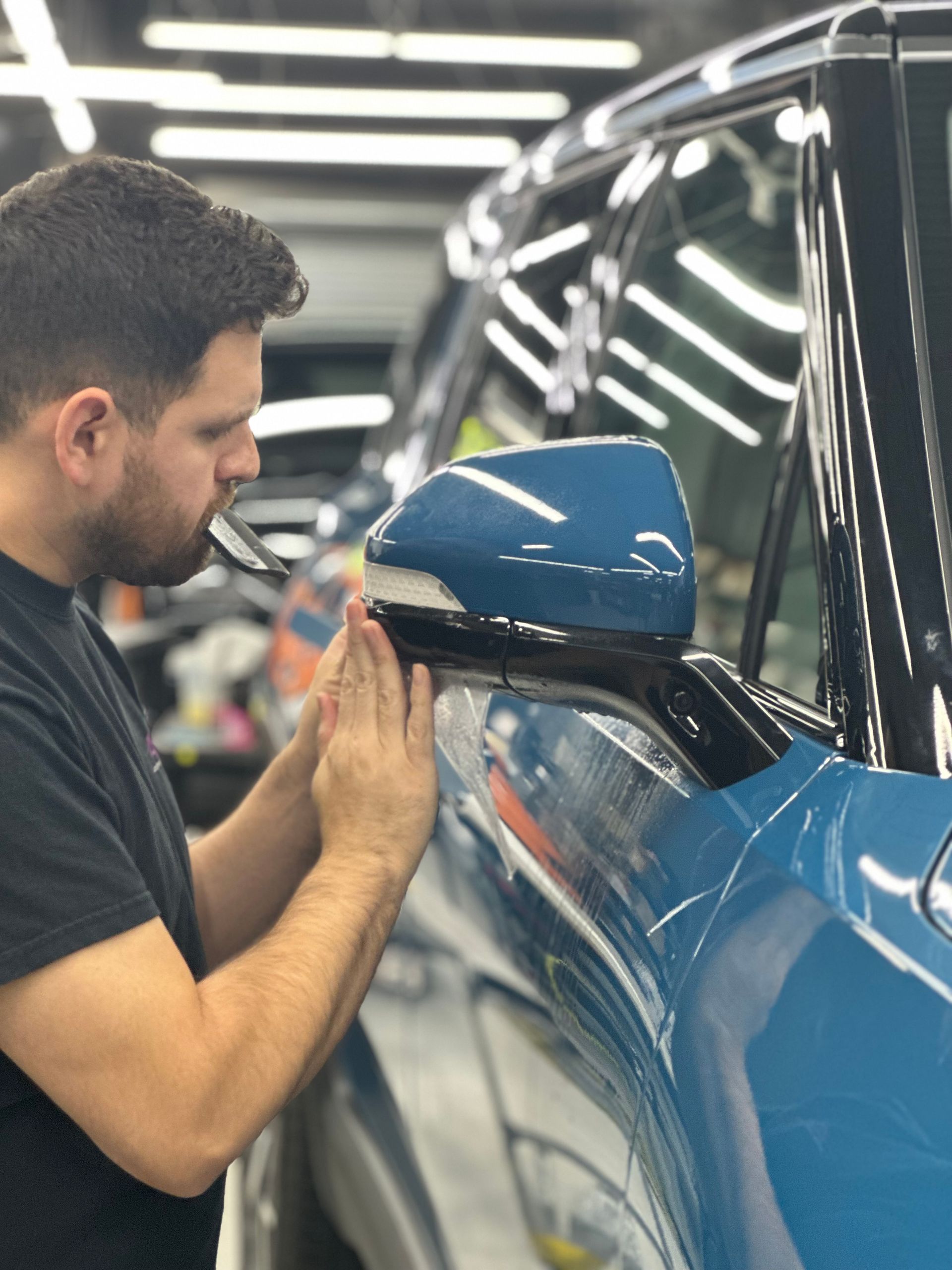
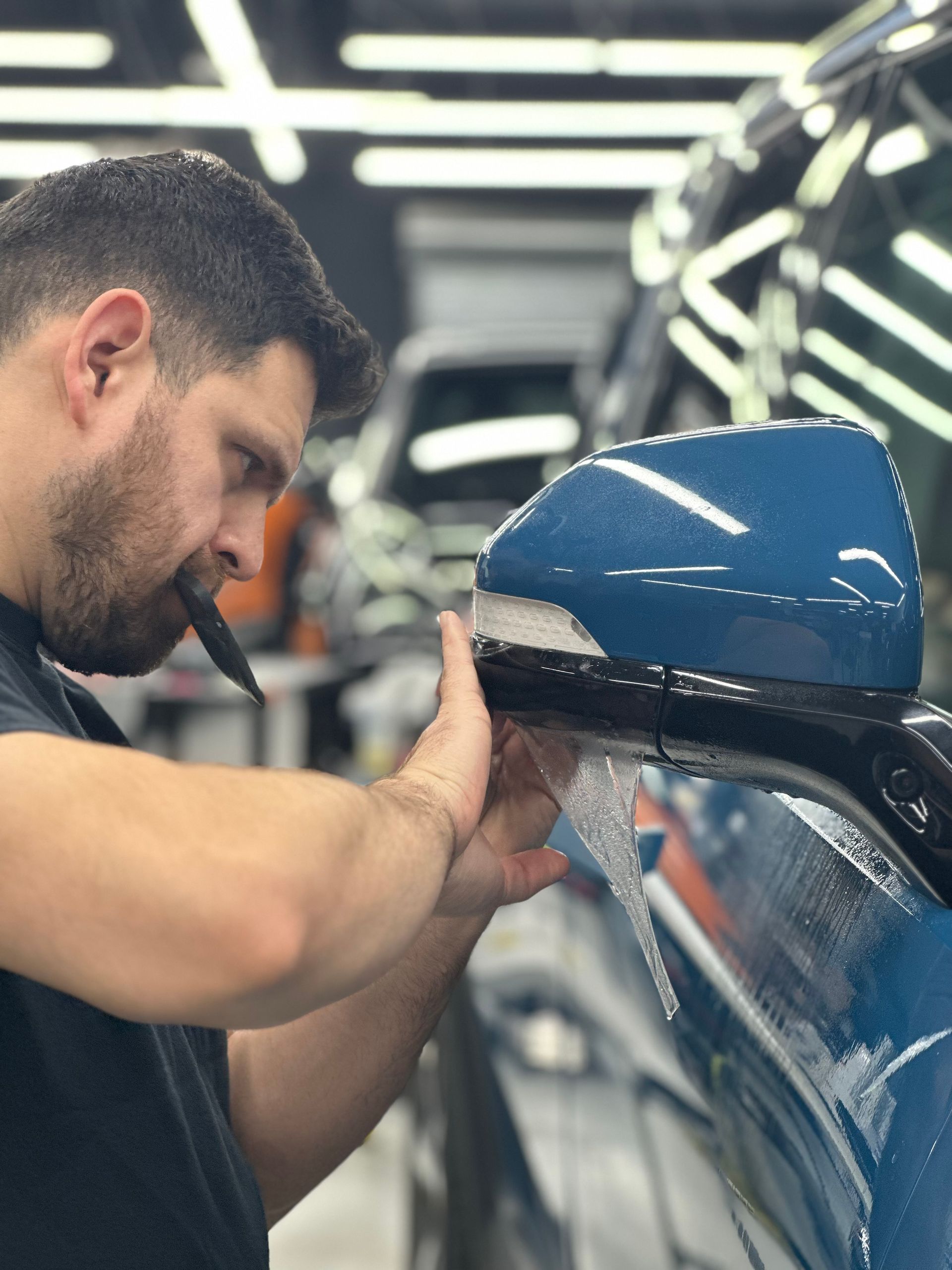
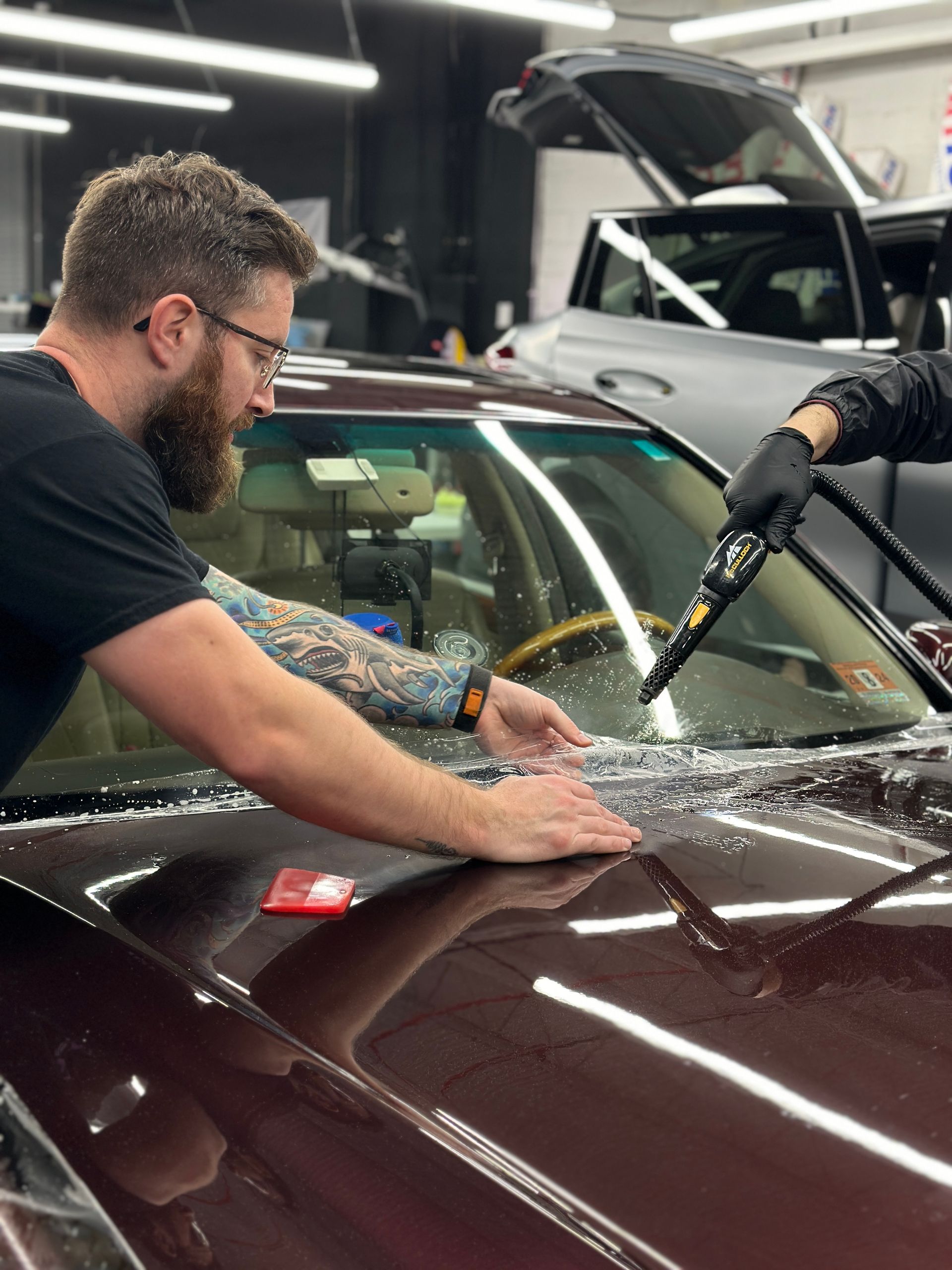
Paint protection film is a transparent, ultra-durable layer made from thermoplastic urethane that adheres directly to your vehicle's painted surfaces. Its purpose is straightforward but critical: it acts as a protective shield against everyday hazards like stone chips, scratches, road salt, and the UV rays that fade paint over time. Unlike waxing or sealants, which create a surface barrier that wears off relatively quickly, PPF provides a tough, long-lasting defense that can save you from costly repairs and repainting down the road.
The technology behind PPF was originally developed for military applications, guarding helicopter rotors against debris at high speeds and in harsh environments. Over the decades, automotive professionals recognized its potential and refined it for passenger vehicles, producing a film that is nearly invisible yet remarkably resilient. Today's PPF options typically range between 6 and 8 mils thick, delivering both protection and clarity without altering the gloss or color of the paint beneath.
One of PPF's most impressive characteristics is its self-healing capability. Minor scratches and swirl marks can fade when exposed to heat, whether from direct sunlight or warm water, often within 24 to 48 hours. This means small abrasions do not become permanent blemishes on your vehicle's finish. PPF also provides strong UV resistance, effectively preventing paint discoloration caused by prolonged sun exposure, which is a significant concern for vehicle owners in any climate.
Effortless Cleaning Methods
Maintaining a vehicle protected by PPF does not require hours of effort or expensive equipment. The film itself resists damage, making upkeep considerably easier than caring for unprotected paint. That said, knowing which cleaning techniques safeguard the film's integrity while preserving its appearance is key to getting the most out of your investment.
We recommend the two-bucket wash method as a fundamental practice. One bucket holds your soapy wash solution, and a second contains clean rinse water to cleanse your wash mitt before re-dipping it into the soap. This separation prevents abrasive dirt particles from being reintroduced onto the film's surface, reducing the risk of swirl marks and micro-scratches that can dull the finish over time.
Choosing the right soap is equally important. Harsh detergents and alkaline solutions may seem effective, but they risk degrading the top layer of PPF over time. A pH-neutral car shampoo is ideal because it cleans thoroughly without stripping away protective coatings or dulling the film's clarity. This gentle approach keeps your PPF crystal clear without causing chemical deterioration.
Maintaining a Glossy Finish
A consistent washing routine forms the foundation of gloss maintenance, but there are additional steps that help preserve that mirror-like shine over the long term. One of the most effective upgrades is applying a ceramic coating over your PPF. This adds an extra hydrophobic layer that actively repels water, oils, and dirt, amplifying the surface's glossiness while dramatically reducing the effort required during each wash. Contaminants struggle to bond with the slick, water-shedding surface, which means your vehicle stays cleaner between washes.
When washing your PPF, use straight, overlapping strokes rather than circular motions. Circular motion washing is a common cause of swirl marks, especially noticeable on dark-colored vehicles. Paired with the two-bucket method and a pH-neutral shampoo, this technique produces noticeably cleaner results with less risk of surface damage.
Avoid abrasive polishes and harsh chemical cleaners entirely. These products compromise both the film's adhesive properties and any ceramic topcoat applied over it. Staying consistent with gentle, PPF-safe products goes a long way toward keeping your vehicle's finish sharp and clear over time.
The Advantages of Self-Healing PPF
One of the most impressive advances in modern PPF technology is its self-healing capability. When the film picks up minor scratches from road debris, contact with vegetation, or other everyday wear, the damage does not have to be permanent. The polymer layers within self-healing films contain a kind of memory that allows them to realign with exposure to heat, whether from natural sunlight on a warm day or the gentle application of heat during a professional service. Scratches that would otherwise require correction simply fade away over time.
This capability changes the maintenance equation significantly. Rather than scheduling detailing appointments every time a minor scuff appears, vehicle owners can rely on this process to keep the surface looking clean and consistent. For drivers in Hawthorne, NJ and the surrounding area who want to protect their investment without constant upkeep, self-healing PPF is a particularly strong option.
The elastomeric topcoat found in high-quality PPF also resists yellowing under UV exposure. This is an especially important feature for vehicles that spend significant time outdoors. It ensures the film maintains its clarity and does not develop the amber discoloration that can affect older or lower-quality films over time.
Preventing Environmental Damage
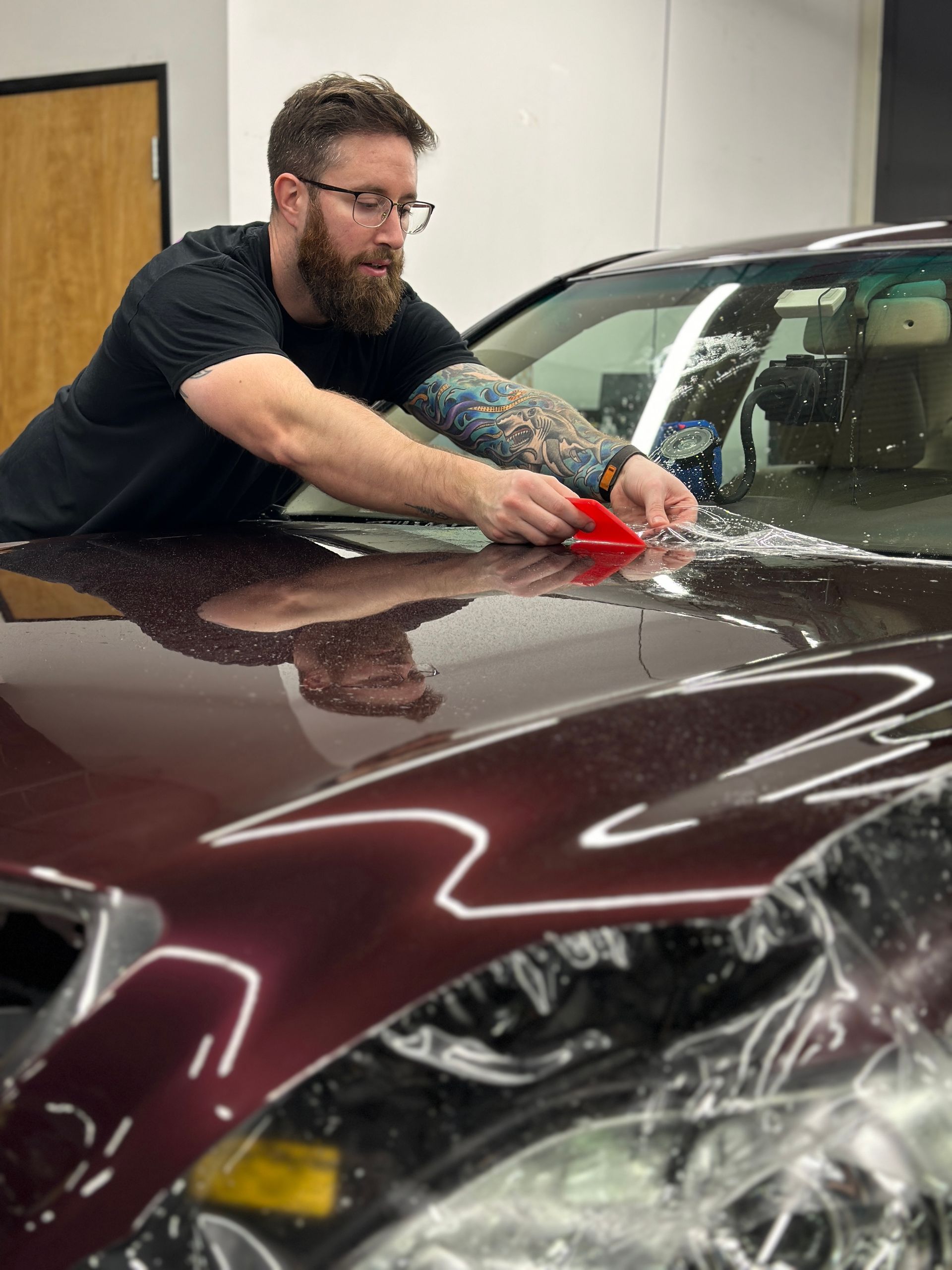
Vehicle paint faces constant threats from environmental sources. Bird droppings, road salt, industrial fallout, tree sap, and airborne pollutants all contain elements that, given enough time, can chemically interact with a vehicle's finish and cause lasting damage. PPF acts as a dedicated barrier that absorbs these threats rather than allowing them to reach the paint.
On an unprotected vehicle, acidic bird droppings can cause visible discoloration and etching fairly quickly. On a vehicle protected by PPF, the same contaminants remain largely superficial and wipe away cleanly when addressed promptly. Quick removal of contaminants is still a best practice even with PPF in place. The film provides the buffer, but allowing harsh substances to sit for extended periods can degrade even high-quality film over time.
Beyond routine washing, periodic decontamination treatments are an important part of long-term PPF care. Roughly every six months, a dedicated PPF decontamination process helps lift embedded pollutants such as brake dust, tar spots, and industrial residue that ordinary washing does not fully address. Allowing these contaminants to accumulate degrades the film's clarity and reduces its hydrophobic performance over time.
Professional vs. DIY Maintenance
There are two primary approaches to maintaining your PPF: professional service and at-home care. Both have a place in a well-rounded maintenance plan, and understanding the strengths of each helps you make the best decision for your vehicle.
Professional maintenance brings comprehensive care to your film. Trained technicians can identify micro-abrasions, lifting edges, or early signs of damage that most vehicle owners would not notice during routine cleaning. Professionals also have access to advanced decontamination techniques, including clay bar treatments and chemical processes tailored specifically for PPF. When combined with supplementary services like ceramic coating applications, professional maintenance delivers a polished result that extends the life and performance of the film considerably.
At-home maintenance offers flexibility and cost savings that many vehicle owners appreciate. With the right products, including PPF-safe shampoos, sealants, and microfiber tools, you can maintain your film's appearance and protective performance between professional visits. The key is consistency and using products specifically designed for PPF rather than generic car care items that may contain ingredients harmful to the film.
For most vehicle owners, the ideal approach combines both. Regular at-home washing and quick-detail sprays keep the film clean between visits, while periodic professional inspections and decontamination services address what routine care cannot. At Automotive Specialty Wraps, we are happy to guide our clients through both aspects of care, ensuring that the investment they make in PPF pays off for years to come.
Protecting Your Investment in Hawthorne, NJ
Paint protection film is one of the most effective tools available for keeping a vehicle looking its best with minimal ongoing effort. When properly installed and maintained, it delivers genuine long-term value by reducing paint damage, preserving gloss, and protecting against the environmental hazards that New Jersey's roads and seasons bring.
As an IDA-certified vehicle detailing and paint enhancement team, we take pride in delivering PPF installations and care that meet the highest professional standards. Whether you are protecting a daily driver or a prized weekend vehicle, we are ready to help you keep it looking exactly the way it should.
Contact us today to learn more about our PPF services and find the right protection package for your vehicle!