Auto Window Tinting's Role in Preserving Dashboard Surfaces from UV Rays and Fading
GET A FREE ESTIMATEWhen you think about protecting your car, you probably focus on the engine or tires, but what about the dashboard? It is often the most exposed part inside your vehicle, quietly taking a daily beating from sunlight. Auto window tinting is not just about making your car look cool or reducing glare; it also acts like a shield that keeps your dashboard looking fresh and prevents damage caused by harmful UV rays. If you have ever noticed fading or cracking inside your car, understanding how tinting helps protect these surfaces can save you time and money down the road.
The Importance of Auto Window Tinting
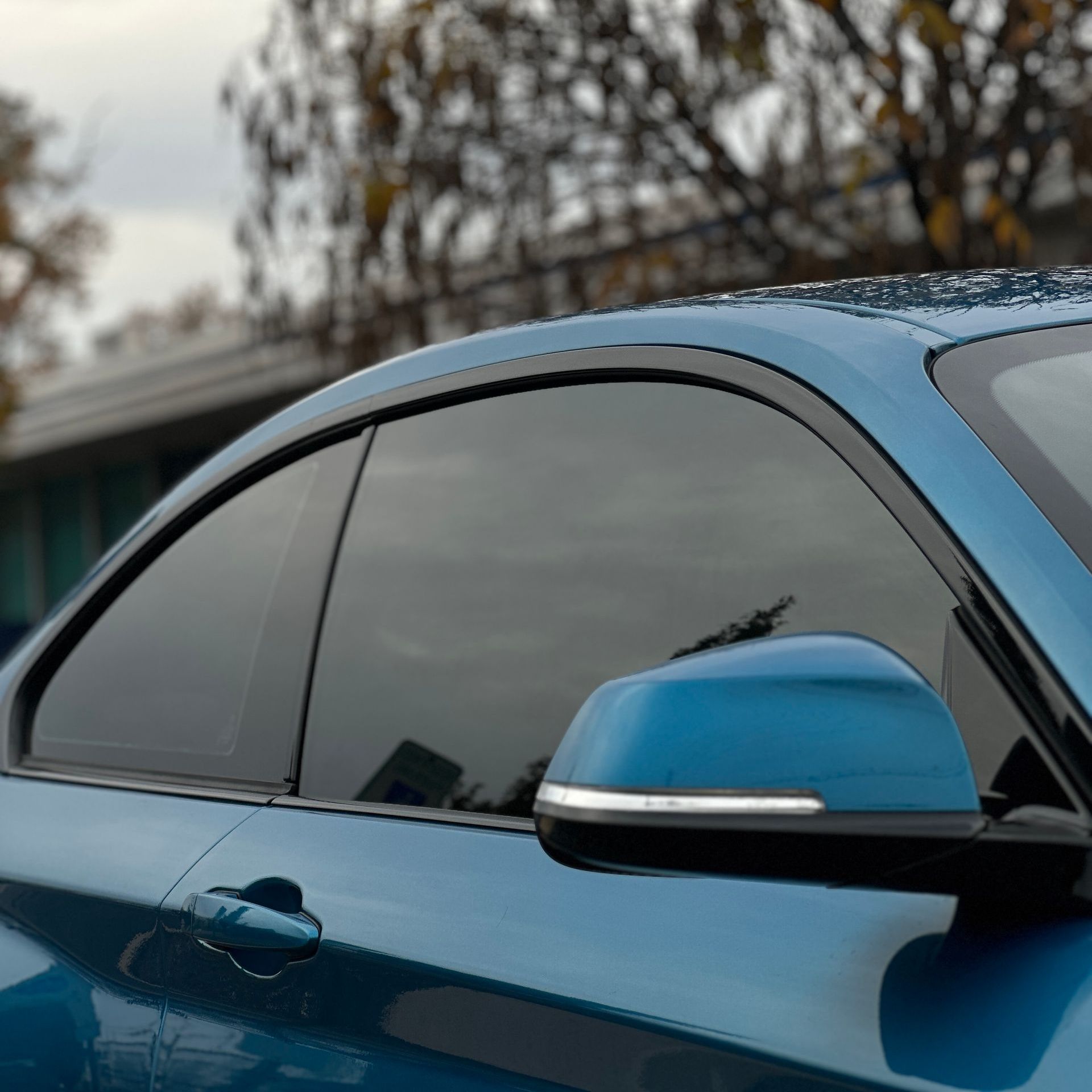
Protecting your car's dashboard and upholstery from sun damage is more than a matter of comfort; it is about preserving the very essence of your vehicle. Prolonged exposure to ultraviolet radiation breaks down dyes and materials at a chemical level, leading to faded colors, cracked dashboards, and brittle surfaces.
Without proper protection, your once-vibrant interior can begin losing its appeal within the first year, and that deterioration directly affects your vehicle's resale value and daily enjoyment. High-quality window tint films can block a significant portion of harmful UVA and UVB rays, making a real difference in how long your interior stays intact.
Beyond UV filtration, tint films also reduce infrared radiation, which is the heat that causes your car's interior temperature to rise on sunny days. This heat accelerates expansion and contraction cycles in materials like plastic and leather, which ultimately speed up cracking and warping. By reflecting much of this heat before it enters the cabin, tinting slows these damaging processes considerably.
Think of auto window tinting as sunscreen for your car's interior, but far more effective because it works continuously whenever sunlight hits your windows. Unlike skin protection products that wash off or wear away, quality tint films last for years, providing consistent defense against both fading and heat buildup.
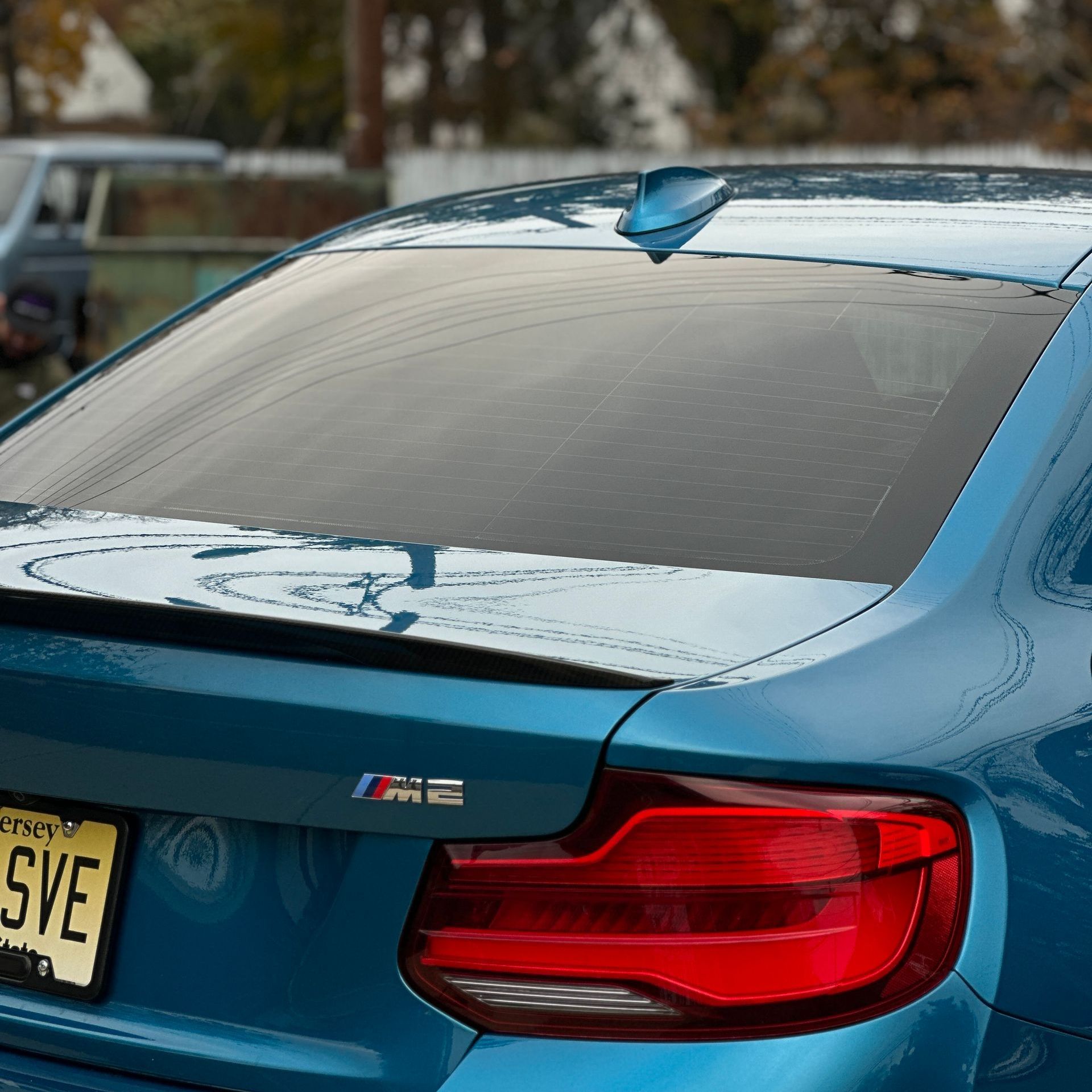
When installed professionally, they also help keep the cabin cooler, reducing the strain on your air conditioning system and improving driving comfort by minimizing harsh glare.
Protection from UV Radiation
UV radiation is an invisible but powerful force that steadily attacks the surfaces inside your vehicle. Although standard car windows provide some defense, they leave much of the damage unchecked. This means dashboards fade, leather seats crack, and upholstery colors dull faster than you might expect.
High-quality window tint films address this by blocking the vast majority of UVA and UVB radiation, shielding every inch of your interior from ongoing solar assault. The chemistry behind this damage involves UV light breaking down pigments and polymers in materials like vinyl and leather at a molecular level, causing brittleness and discoloration.
Left unprotected, your car's interior beauty corrodes slowly until the damage becomes irreversible. Window tinting acts as transparent armor, reflecting or absorbing harmful wavelengths before they reach your dashboard or seat surfaces.
Not all tints offer the same level of protection. Premium ceramic-based films filter out nearly all UV radiation without darkening windows excessively. When choosing a tint, prioritize films that are tested to block both UVA and UVB rays effectively, since some lower-tier options primarily reduce visible light but offer poor protection against the wavelengths that cause the most long-term damage.
Heat Reduction Benefits
One benefit that often goes unnoticed is how window tinting dramatically reduces heat buildup within a car, especially on hot, sunny days. When sunlight streams through untreated windows, it carries infrared radiation that significantly raises the interior temperature, turning your car's cabin into an uncomfortable environment and accelerating wear on interior materials.
Window tinting addresses this by absorbing and reflecting much of the infrared radiation before it enters your vehicle. High-quality tint films, particularly those using ceramic technology, create a noticeably cooler environment inside your car without interfering with electronic devices.
Effective tinting can reduce interior temperatures by a meaningful margin, which changes the driving experience entirely on sweltering afternoons. The benefits extend beyond passenger comfort. Cooler interiors mean you rely less on air conditioning to chase away heat, which translates into improved fuel efficiency over time since air conditioning systems draw considerable engine power.
All of these factors make window tinting far more than an aesthetic upgrade; it becomes a practical solution for preserving your car's interior while enhancing everyday comfort and saving money in the long run.
Preventing Dashboard Fading and Cracking
Your dashboard is more than just a surface. It is a complex assembly of plastics, vinyl, and sometimes leather that faces constant exposure to sunlight. Ultraviolet radiation does not merely warm your car's interior; it actively attacks materials at a molecular level.
This process, known as photodegradation, occurs when high-energy UV photons disrupt the bonds within polymers used in dashboards. As these bonds fracture, dyes lose their vibrancy, flexibility diminishes, and a once-smooth surface turns faded and prone to cracking.
This is not an overnight change but a gradual degradation that accelerates dramatically under harsh sunlight. A vehicle parked daily under direct sun without protection can see its dashboard deteriorate far more quickly than one equipped with quality window tinting. For drivers concerned about maintaining their vehicle's aesthetics and resale value, investing in quality tinting is preventative care, not just a cosmetic choice.
Heat also plays a compounding role in this damage. When dashboards get hot repeatedly, the expansion and contraction cycles wear down materials over time. Reducing thermal stress helps materials retain their elasticity longer before showing signs of fatigue like cracks and warps. Choosing a tint film that handles both UV and heat rejection together gives your dashboard the most complete protection available.
Types of Window Tint Films
Understanding the differences between window tint films helps you make a smarter investment.
- Ceramic Films: They are generally considered top-tier. They incorporate nano-ceramic particles that provide exceptional heat reduction without interfering with car electronics like GPS or radio signals, making them ideal for drivers who want high performance and clear visibility.
- Metalized Films: They work by reflecting sunlight using tiny metallic particles, which effectively reduces glare and heat. However, the presence of metal can sometimes cause issues with wireless signals inside the car, which is a drawback worth considering for connected drivers.
- Dyed Films: They are the most budget-friendly option, offering decent UV blocking but performing less effectively when it comes to heat rejection. They also tend to fade more quickly under prolonged sun exposure, which reduces their protective value over time.
- Carbon Films: They sit in the middle ground, offering solid UV protection and moderate heat rejection without signal interference, though some drivers notice a slight reduction in clarity during nighttime driving.
The right choice depends on your climate, your budget, and how much technology you use on the go. In regions with intense sun year-round, opting for ceramic or high-quality carbon films provides peace of mind both in comfort and long-term interior protection.
Choosing the Best Tint for Your Car
When selecting window tint, the key is balancing effectiveness, aesthetics, legal restrictions, and budget. Start by checking your local regulations regarding allowable tint darkness levels, as rules vary widely by region. This ensures that your choice will be both practical and compliant, avoiding costly fines or the need to remove a film later.
From there, explore the types of films available and match them to your priorities. If protecting your dashboard against fading and cracking is your primary goal, investing in a premium film with strong UV and infrared blocking capabilities is worth the upfront cost. These higher-end options maintain optical clarity without color distortion and tend to last significantly longer than budget alternatives.
Warranty is also an important factor. Films backed by solid manufacturer warranties provide assurance against bubbling, peeling, discoloration, or cracking, which are problems that can quietly degrade your investment over time. Always pair your film selection with professional installation, since even the best product can underperform if it is applied incorrectly.
Ultimately, the best tint is the one that fits your specific needs. Whether you are prioritizing maximum UV protection, temperature control, privacy, or a combination of all three, taking the time to evaluate your options and work with a reputable installer will ensure your tint lives up to its promise of protecting your dashboard and enhancing your driving experience for years to come.
#1 Window Tinting Services in Tenafly, NJ
Protect your vehicle’s interior with
professional window tinting from Automotive Specialty Wraps in Tenafly, NJ. Our expert installation helps block harmful UV rays and reduce heat buildup, preserving your dashboard, seats, and trim from fading and long-term wear. With high-quality tint films designed for durability and clarity, you can enjoy a cooler, more comfortable ride while maintaining the clean look of your interior.
Schedule your window tinting service today and keep your vehicle’s cabin protected for the long run!