Paint Protection Film's Role in Long-Term Exterior Care: Benefits for Vehicle Durability
GET A FREE ESTIMATEYour car's paint faces a daily battle against scratches, chips, and fading from the sun. What if there was an almost invisible shield that could take the hits for you, keeping your vehicle looking fresh and new for years? Paint protection film serves as a highly effective solution, forming a resilient, nearly invisible barrier that safeguards your vehicle’s finish without altering its visual integrity. This article breaks down how PPF works, why it matters, and how it can save you time and money over the long haul.
What Is Paint Protection Film?
Paint protection film, or PPF, is a clear, flexible shield made primarily from thermoplastic polyurethane, a material prized for its toughness and elasticity. Imagine wrapping your vehicle in an invisible armor that guards against chips, scratches, and environmental damage without altering the car's appearance. This film sits on top of your paintwork at a thickness of about 6 to 8 mils, roughly as thin as two sheets of paper stacked together, yet boasts a resilience far beyond that. It is engineered to absorb impacts from gravel, road debris, bird droppings, and even minor abrasions that would otherwise damage your paint's finish.
Modern PPF formulas blend durability with flexibility, allowing the film to conform perfectly to every curve and contour of your vehicle. This adaptability means it can be applied not only to flat surfaces but also to intricate edges like mirror housings or door handles without worrying about bubbles or peeling. Some advanced PPFs even include self-healing properties: microscopic polymers within the film react to heat from sunlight or warm water and reduce minor scratches, keeping your car's exterior looking pristine for years.
Historically, PPF was first developed as a protective layer for aircraft and military vehicles exposed to harsh environments. Its transition into automotive care came naturally when manufacturers recognized that the same durable film could protect cars from everyday hazards without compromising appearance. This origin highlights an important point: PPF is not just a cosmetic add-on but a long-term investment in preserving your vehicle's value.
How Paint Protection Film Works
Paint protection film functions as a transparent shield laid over your car's paintwork, creating a physical barrier that absorbs and disperses the energy from daily hazards like small rocks, sand, and minor scrapes. When these impacts hit the surface, instead of scarring your paint, the film takes the brunt of the damage, keeping the appearance of your vehicle intact much longer.
A standout feature of modern PPF is its self-healing ability. Minor scratches caused by light contact can disappear when exposed to warmth, whether from sunlight or a warm car wash. This property does not just protect the surface; it actively restores it without the need for costly repainting.
Beyond defense against physical abrasions, PPF plays a crucial role in combating long-term environmental wear. The film acts as a strong UV shield, blocking a significant amount of harmful ultraviolet rays that cause paint oxidation and fading over time. UV radiation does not just dim paint colors; it chemically alters the paint layers beneath, leading to costly restoration work down the road. By applying PPF, you are effectively slowing this aging process considerably.
Many premium PPF variants also incorporate advanced particles that enhance heat resistance and reduce surface temperature. This heat management feature helps prevent thermal degradation, which can otherwise accelerate wear and discoloration, especially in hot climates.
Major Benefits of Paint Protection Film
PPF offers more than just a shield. It fundamentally preserves and enhances your vehicle's exterior in multiple lasting ways. One of its primary roles is protecting the paint from chips, scratches, and minor abrasions, everyday hazards like flying gravel or accidental contact with rough surfaces that degrade your original finish. This protective layer absorbs the damage instead of your car's genuine paint, saving you from costly repairs or repainting later.
Beyond physical protection, paint protection film delivers crucial UV resistance. Prolonged sun exposure can fade your vehicle's paint color or cause discoloration over time. High-quality thermoplastic polyurethane films absorb harmful UV rays, locking in the factory-fresh color and preventing the dull, weathered look many older cars develop. This means your car retains its vibrant appearance season after season without constant waxing or chemical treatments.
The self-healing ability of modern PPF is another standout benefit. Minor surface scratches caused by light contact can vanish with a little heat. Daily wear and tear no longer leaves lasting marks; instead, your vehicle maintains a consistently clean finish over months and years.
The film's smooth surface also resists dirt and contaminants, keeping your vehicle looking clean and polished far longer than untreated paint would. This quality reduces washing frequency and enhances the depth and clarity of your car's color.
These combined protections translate into a tangible increase in your vehicle's resale value. Cars with well-maintained exteriors sell faster and at higher prices because they present as cared-for and less worn. PPF preserves that showroom shine for years, which is a strong selling point for prospective buyers or dealerships.
Installation Process
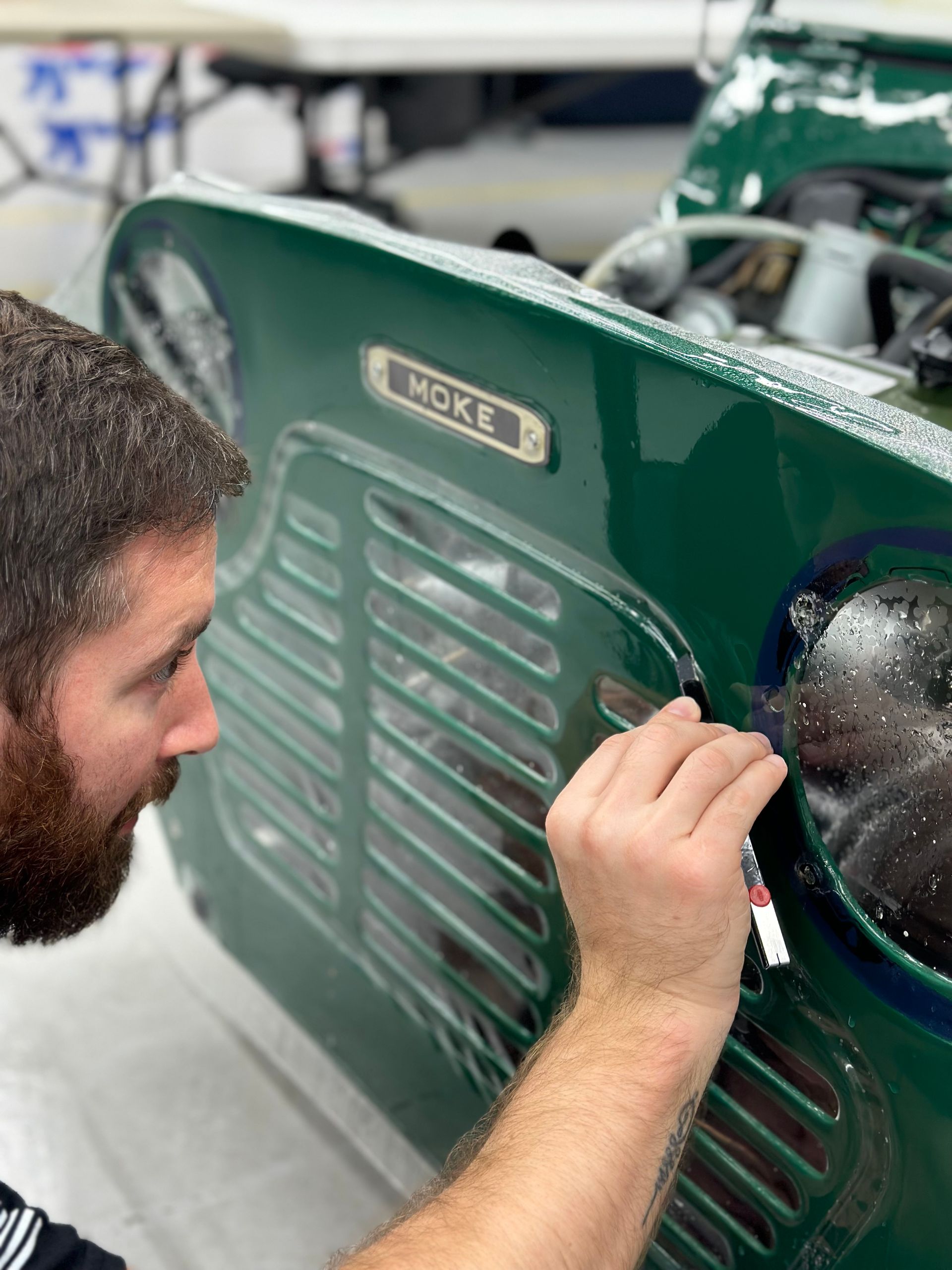
Installing paint protection film is a process that demands precision and expertise. It begins with surface preparation, a critical first step where the vehicle's paint is thoroughly cleaned and any trace contaminants such as dirt, oils, or residue are removed. Even a tiny speck of dust left behind can create bubbles or imperfections once the film is applied, so this stage often involves multiple cleaning steps, including foam washes, clay bar treatment, polishing, and alcohol wipes. This extensive preparation is not just about cleanliness; it is about setting the stage for perfect adhesion and long-term durability.
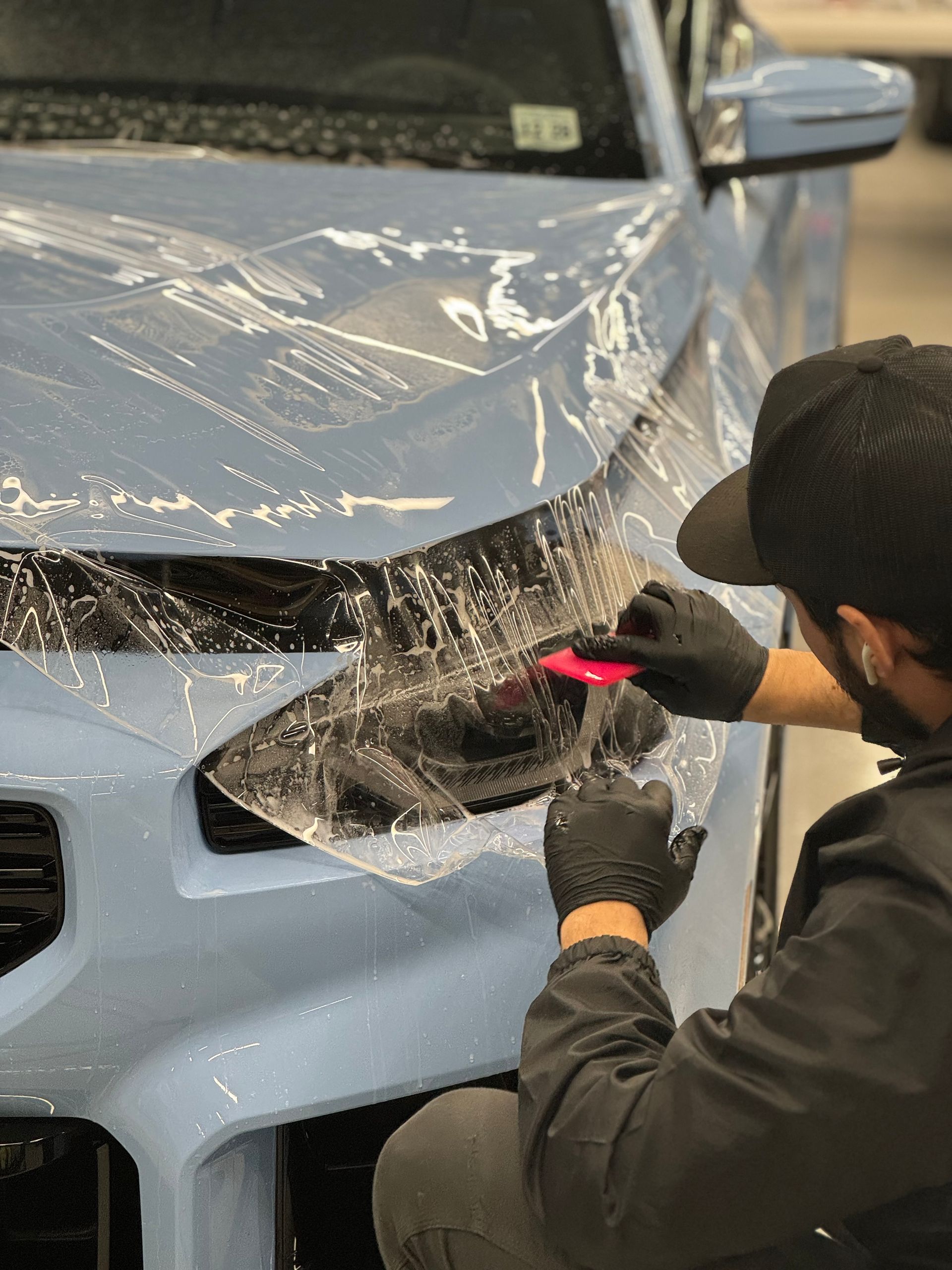
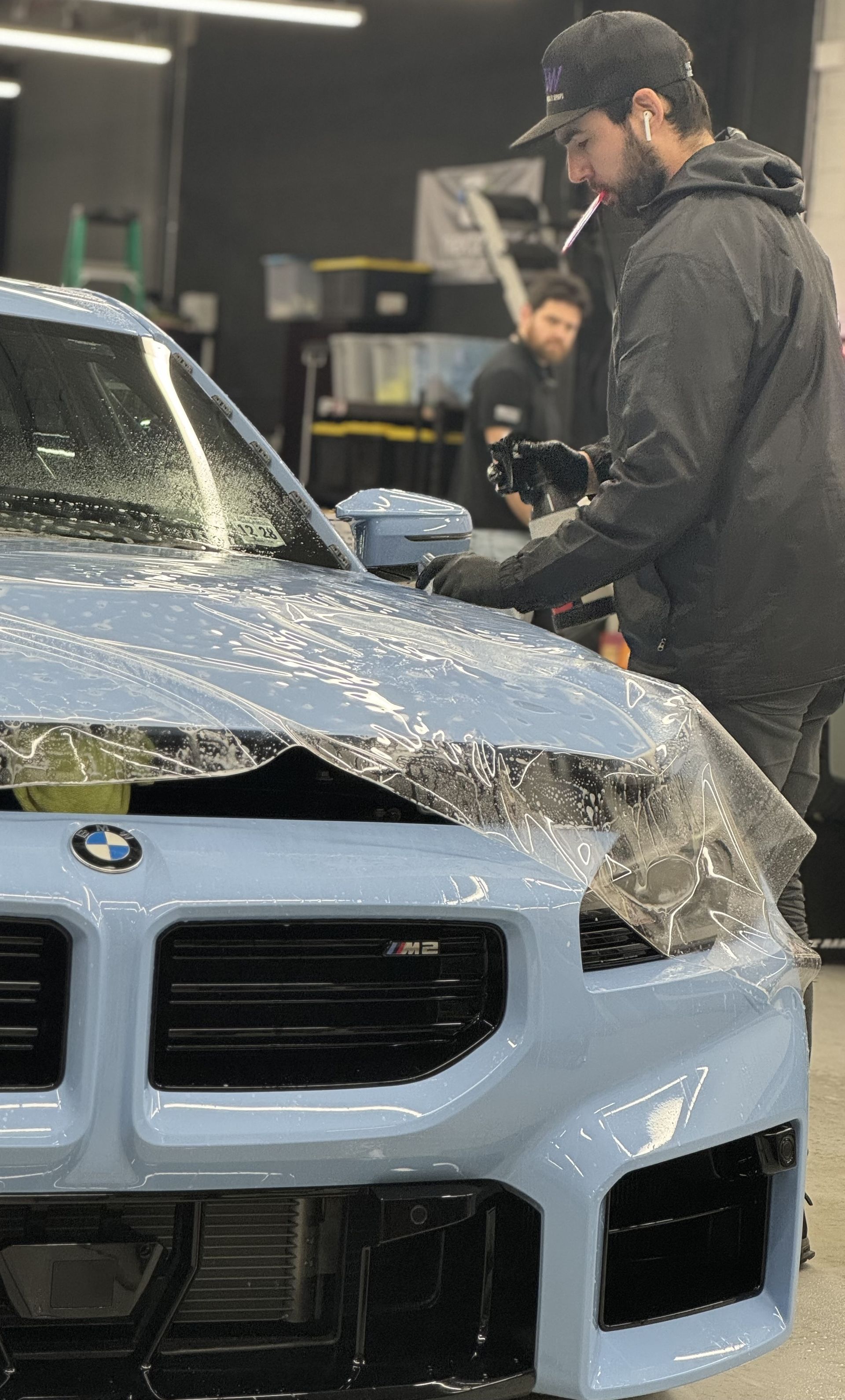
Once the surface is clean, technicians apply a slip solution, typically a soapy water mixture, on both the back of the film and the car's surface. This lubricates both surfaces, granting flexibility so that installers can position the film correctly before it adheres. Using either pre-cut patterns or carefully cut sections, installers work to cover every curve and edge evenly.
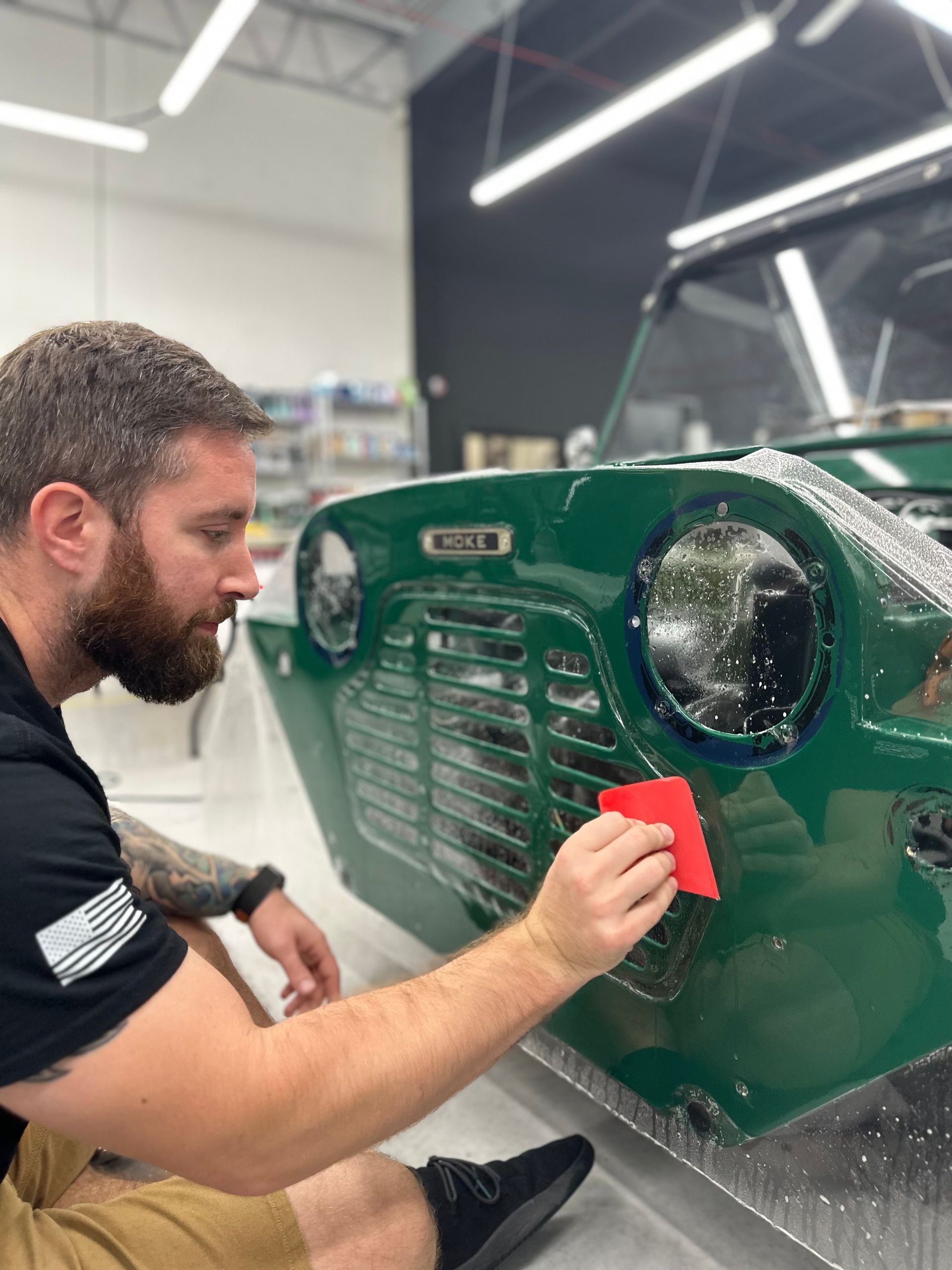
After positioning, specialized squeegees are used to push out trapped water and air bubbles toward the edges. Installers carefully tuck and wrap edges under trims or around curves to avoid peeling later. Heat tools may be used gently to encourage the film to conform perfectly to complex shapes.
Curing typically takes between 24 and 48 hours depending on temperature and humidity. During this time, the adhesive bonds fully with the paint. Vehicles should remain in stable environments and avoid washing or exposure to extreme temperatures during this phase.
Professional installation truly makes all the difference. A poorly installed film risks bubbles, early peeling, and diminished protection, ultimately costing more to fix than a professional application would have in the first place.
Maintenance Tips
Maintaining your PPF is essential for preserving the protective qualities that make the film a worthwhile investment. Regular cleaning using pH-neutral shampoos prevents harsh chemicals from eroding the film's surface or breaking down its layers prematurely. A soft microfiber cloth is ideal, as abrasive materials or stiff brushes can cause micro-scratches and dull the finish.
Washing your car every one to two weeks keeps dirt, pollen, road salt, and other contaminants from embedding into the film. Bird droppings, tree sap, bug splatter, and tar are particularly damaging when left unattended, as these substances can etch into the film permanently. Acting quickly to remove such contaminants, ideally within hours, prevents costly repairs later.
Thorough periodic inspections of your PPF are also important. Running your fingers along edges to check for peeling or bubbling allows you to catch early issues before they worsen. Edge lifts can occur due to dirt infiltration, improper installation, or environmental stressors. Left unchecked, these can lead to water damage beneath the film.
Avoid automatic car washes that use spinning brushes, as they can scratch or lift sections of the film. Touchless washes or careful hand washing remain the better options. Consistent, gentle care will ensure your paint protection film lasts for many years, helping your vehicle maintain its polished appearance despite daily wear.
Why Invest in Paint Protection Film?
Paint protection film serves as a long-term guardian of your car's finish. Unlike wax or sealants that wear off quickly, PPF is designed to absorb impacts from everyday hazards like road debris and minor scratches, keeping your paint largely untouched beneath a transparent, self-healing barrier for years.
The value of PPF extends beyond appearance. The cumulative cost of repainting panels, touching up chips, or correcting oxidation over time can add up to thousands of dollars. With PPF installed, many of these costs are significantly reduced because the film absorbs the damage instead of your paint. Well-maintained vehicles with quality PPF also tend to command notably higher resale prices, reflecting a real return on the upfront investment.
The material itself, aerospace-grade thermoplastic urethane, stretches remarkably and features self-healing technology that causes minor scratches to vanish when warmed by sunlight or heat. This combination of durability and self-repair keeps the film clear and resilient for many years, maintaining showroom clarity far longer than typical aftermarket treatments.
For drivers who frequently travel on highways or rougher roads, applying PPF to high-risk areas like bumpers, hoods, and door edges provides targeted defense where damage is most likely. Owners of luxury or high-value vehicles often benefit most by covering entire panels, an investment that preserves the exterior on every surface.
If you want your vehicle to retain its pristine look and avoid costly repairs down the road, consulting a trusted PPF specialist will give you tailored advice suited to your driving habits and goals. Paint protection film remains one of the smartest steps toward protecting your car's long-term beauty and value. Smart protection today means fewer worries and greater returns tomorrow.
Professional PPF Installation in Alpine, NJ
Protect your vehicle’s finish with confidence by choosing Automotive Specialty Wraps for
professional paint protection film services in Alpine, NJ. Their experienced team applies high-quality PPF with precision, creating a seamless, nearly invisible barrier that defends against road debris, UV exposure, and everyday wear. Whether you drive a luxury vehicle or a daily driver, their tailored approach ensures long-term durability while maintaining the clean, refined appearance you expect.
Schedule your PPF installation today and give your vehicle the lasting protection it deserves!