BMW owners tend to care more than average about how their car looks and feels. That's part of why you bought one. When it comes to window tint, that same attention to detail matters. The wrong shade, the wrong film, or a sloppy install can turn a sharp-looking BMW into something that looks like it came from a bargain shop. The right combination adds privacy, cuts heat, blocks UV, and complements the styling instead of fighting it. If you're figuring out the best window tint for bmw applications, the choice involves more than just picking a percentage from a chart. It's about matching film quality to your goals, choosing a shade that works with the paint color, and getting an install that looks factory instead of aftermarket.
Why BMW Owners Care About Tint Choice
Luxury vehicles come with expectations. Interior quality, driving feel, and how the car looks in your garage all matter more on a BMW than on your average daily commuter. Adding basic tint film to a BMW is like putting off-brand tires on it. It might work, but you can tell. Quality tint pays for itself in appearance alone on a car meant to look this good.
What BMW owners typically care about:
- A clean install that doesn't distract from body lines or paint
- Films that hold their color and don't turn purple over time
- Consistent shade across all windows for a factory look
- Heat rejection strong enough to protect leather interiors
- Long-term durability without lifting edges or bubbling
The wrong film cuts corners on all of these. Better options handle every one of them, though the difference between basic and premium films can be substantial. Understanding the
available film options helps you make an informed choice instead of just picking the darkest legal shade.
Best Window Tint for BMW: The Categories Explained
Understanding the best window tint for bmw applications starts with knowing the types of film available. Not all tint is the same, and the differences show up over years of use.
The main film categories:
- Dyed films: The most basic option, but they fade to purple, offer minimal heat rejection, and have shorter useful life
- Metallized films: Better heat rejection but can interfere with radio, GPS, and cell signals
- Carbon films: A middle-ground option with good heat rejection and better fade resistance than dyed
- Ceramic films: Top-tier heat rejection, no signal interference, best color stability, best UV protection
For a BMW, ceramic films are usually the right call. The interior deserves the protection, the electronics won't be affected, and the appearance holds up for years instead of degrading. Yes, they run more upfront, but on a BMW that upgrade makes sense.
Shade Options and BMW Styling
Aside from film quality, shade choice significantly affects how the car looks. BMW paint colors and body shapes respond differently to various tint darkness percentages.
General guidance for popular BMW color options:
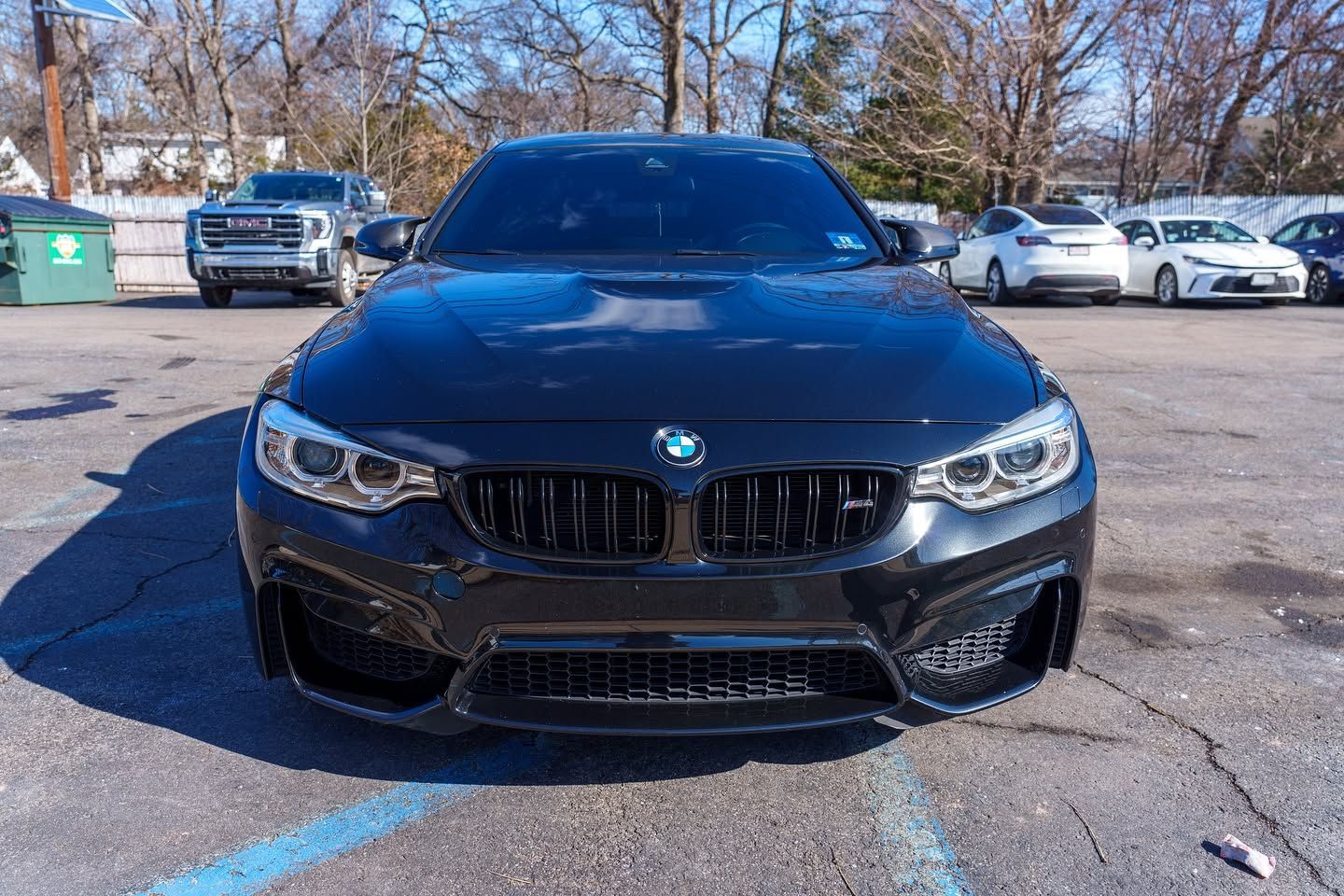
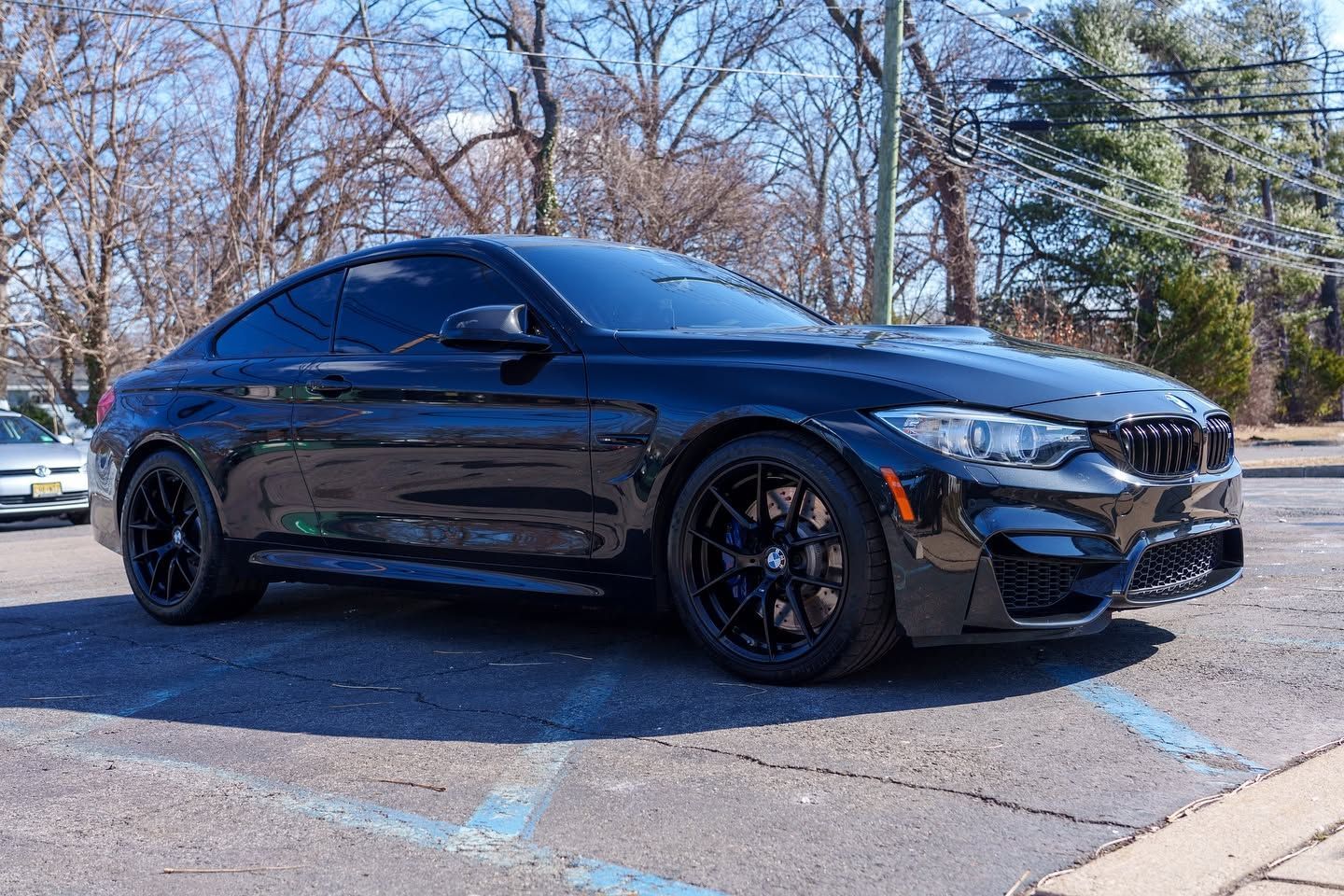
- Dark colors like Black Sapphire and Carbon Black look great with medium-to-dark tints
- White colors like Alpine White and Mineral White work well with lighter or medium shades
- Silver and gray tones like Mineral Grey and Bluestone look sharp with medium darkness
- Deep colors like Tanzanite Blue can carry darker tint without looking heavy
For M-badge or performance models, matching the aggressive styling with slightly darker tint works. For executive sedans, more subtle darkness that reads professional often fits better. Some owners also add protective coating options so the exterior gets the same attention as the windows.
Legal Considerations for Tint Percentages
Every state has laws on how dark you can tint windows. New Jersey rules are more restrictive than some states, and getting a BMW tinted illegally can result in fines and forced removal of the film. Windshield tint is usually restricted, front side windows have percentage minimums, and rear windows often allow darker options.
Things to check before choosing shade:
- The specific darkness laws in your state
- Any medical exemption rules that may apply
- Whether reflectivity restrictions apply to certain film types
- What percentage is legal for each window position
- Fine amounts and enforcement patterns in your area
A real shop that knows local rules walks you through what's legal for your car before install. Cutting corners here means paying the fine plus paying for tint removal, then paying for install again. Not worth it.
Why Professional Installation Matters More on Luxury Vehicles
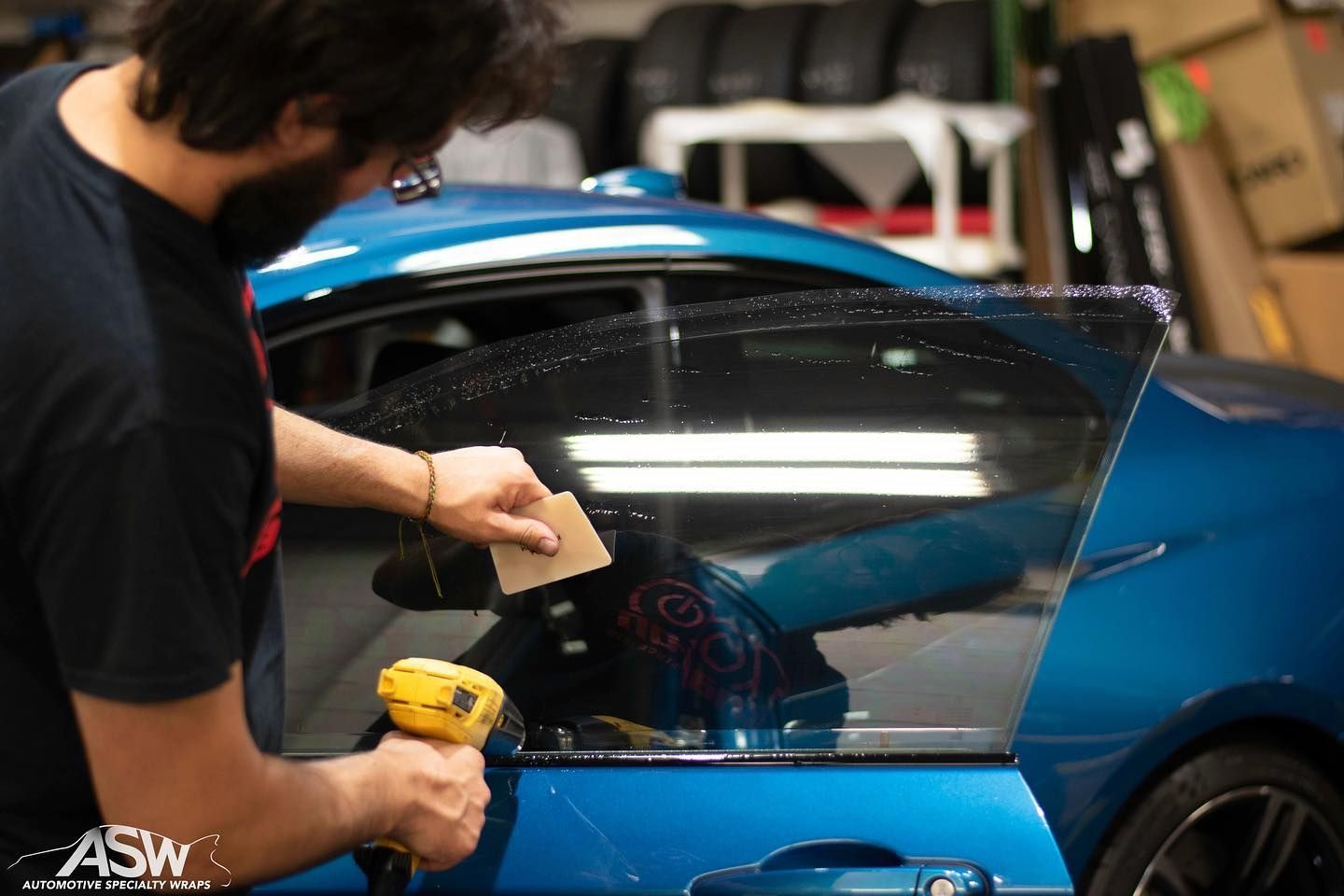
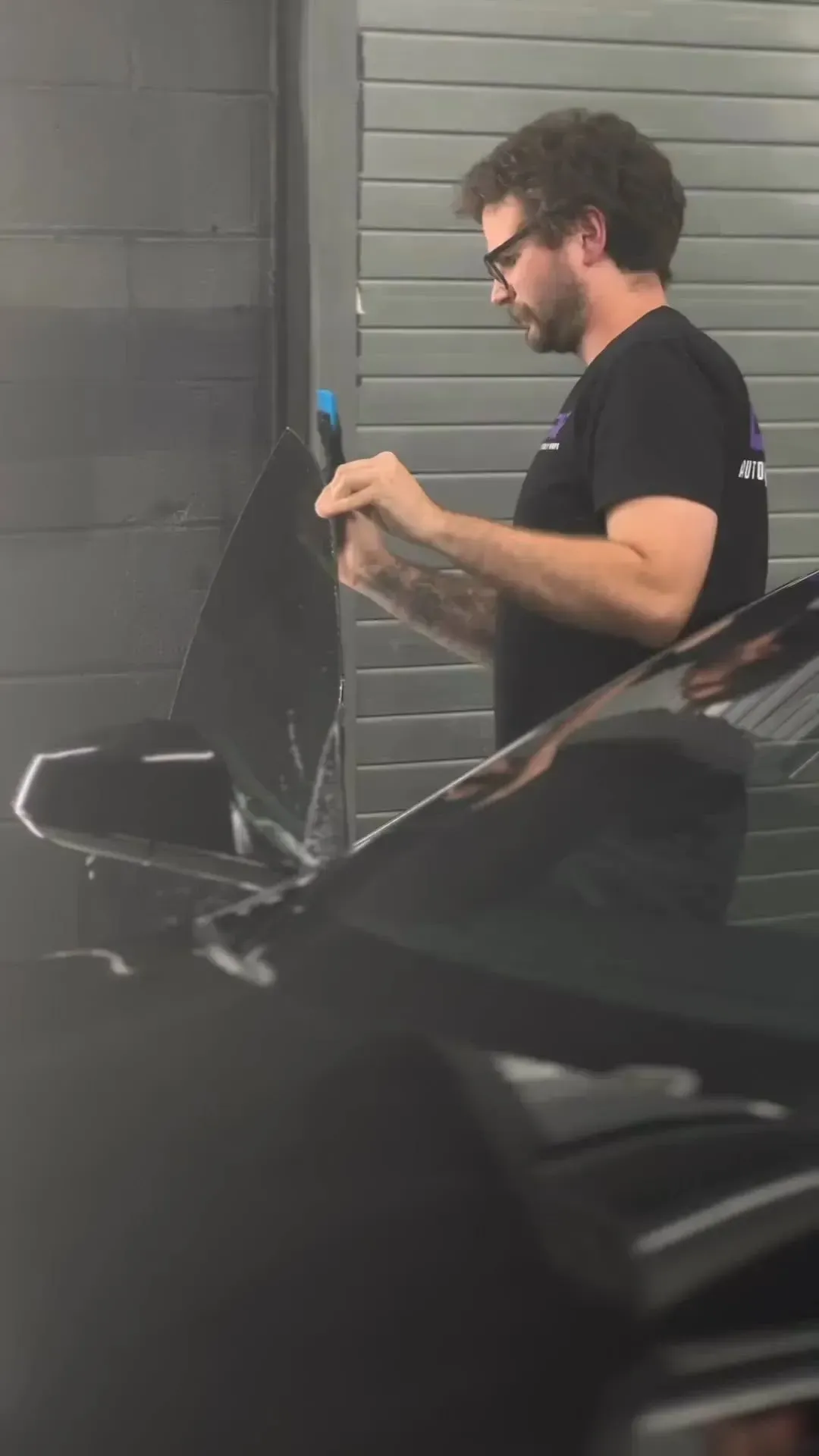
BMW glass shapes aren't like standard sedan glass. Compound curves on the rear glass, precise cuts around defroster lines, and the tight tolerances of frameless door windows all make DIY installs risky.
Professional installers handle:
- Computer-cut patterns matched to specific BMW model years
- Steaming and shrinking to conform to compound curves
- Precise trimming around defroster lines and antenna elements
- Clean edges tucked into rubber seals for a factory appearance
- Consistent shade darkness matched across every side window
The install matters more on a BMW because the car has to look sharp. Bubbles, purple edges, or mismatched shades that would go unnoticed on an average sedan stand out immediately on a BMW. Adding
complementary paint protection alongside tint gives owners the option to protect the exterior too.
Get Quality Tint on Your BMW
Looking for tint that complements your BMW's styling instead of clashing with it? Automotive Specialty Wraps installs window tint on everything from daily commuters to high-end vehicles, with premium-grade films built to hold their color and heat rejection over years of driving. Whether you want subtle darkness that reads professional or a deeper shade to match aggressive M-badge styling, the honest best window tint for bmw conversation starts with what shade you're picturing and how you drive the car. Swing by and we'll get started.
Frequently Asked Questions
What's the darkest tint I can legally put on my BMW?
That comes down to your state's tint regulations. Front side windows usually have percentage minimums, while rear windows and rear glass may allow much darker shades. Windshields typically only permit a small strip of tint at the top. A pro installer familiar with local rules can advise you on what's legal for each window position before installation, so you don't end up with a costly redo down the road.
Will tint damage my BMW's factory defroster lines?
Not with a quality installation. Pro installers know how to work around defroster lines and antenna elements without disrupting their function. DIY installs are where problems happen, since attempting to work around delicate elements without proper technique can pull lines or leave residue. A shop with experience on luxury vehicles handles this routinely without issues.
Should I get the same tint darkness on all windows?
For a factory-looking result, matching darkness across all four side windows is important. Rear windows and rear glass can go darker legally, and many owners opt for slightly darker rear tint for privacy or heat reduction. The critical thing is consistency across each pair of side windows so the car doesn't look mismatched from any angle.
How long does professional tint installation take on a BMW?
A full set of side windows and rear glass usually takes several hours depending on the model and specific tint being installed. Coupes and sedans are typically quicker than SUVs. The install includes prep time, careful application, and curing time before you can drive it away. Rushing this on a BMW is a mistake since the details matter more than on typical vehicles.
Is ceramic tint worth it on a BMW?
Generally yes. Ceramic tint lasts many years without fading to purple, offers significantly better heat rejection, and doesn't interfere with electronics. On a BMW meant to be kept for the long term, ceramic film typically works out well over the life of the tint. For a short-term lease vehicle, basic film might be enough. Discussing your intended ownership length with the installer helps pick the right grade.