Every driver looking into paint protection eventually runs into the same fork in the road. Paint protection film or ceramic coating? Both promise to guard your finish. Both cost real money. Both get pitched hard by installers and detailers alike. The trouble is, they're not the same thing, and marketing often blurs the differences until you can't tell which one you actually need. This isn't a "one is better" article because that's not how it works. Each product does something specific, and picking the right one comes down to what you drive, where you drive it, and what kind of damage you're actually trying to prevent. If you're weighing ppf vs ceramic coating for your vehicle, the honest comparison of what each does starts with dropping the marketing angle entirely.
What Each Product Actually Does
Before comparing them, it helps to understand what each product is in physical terms.
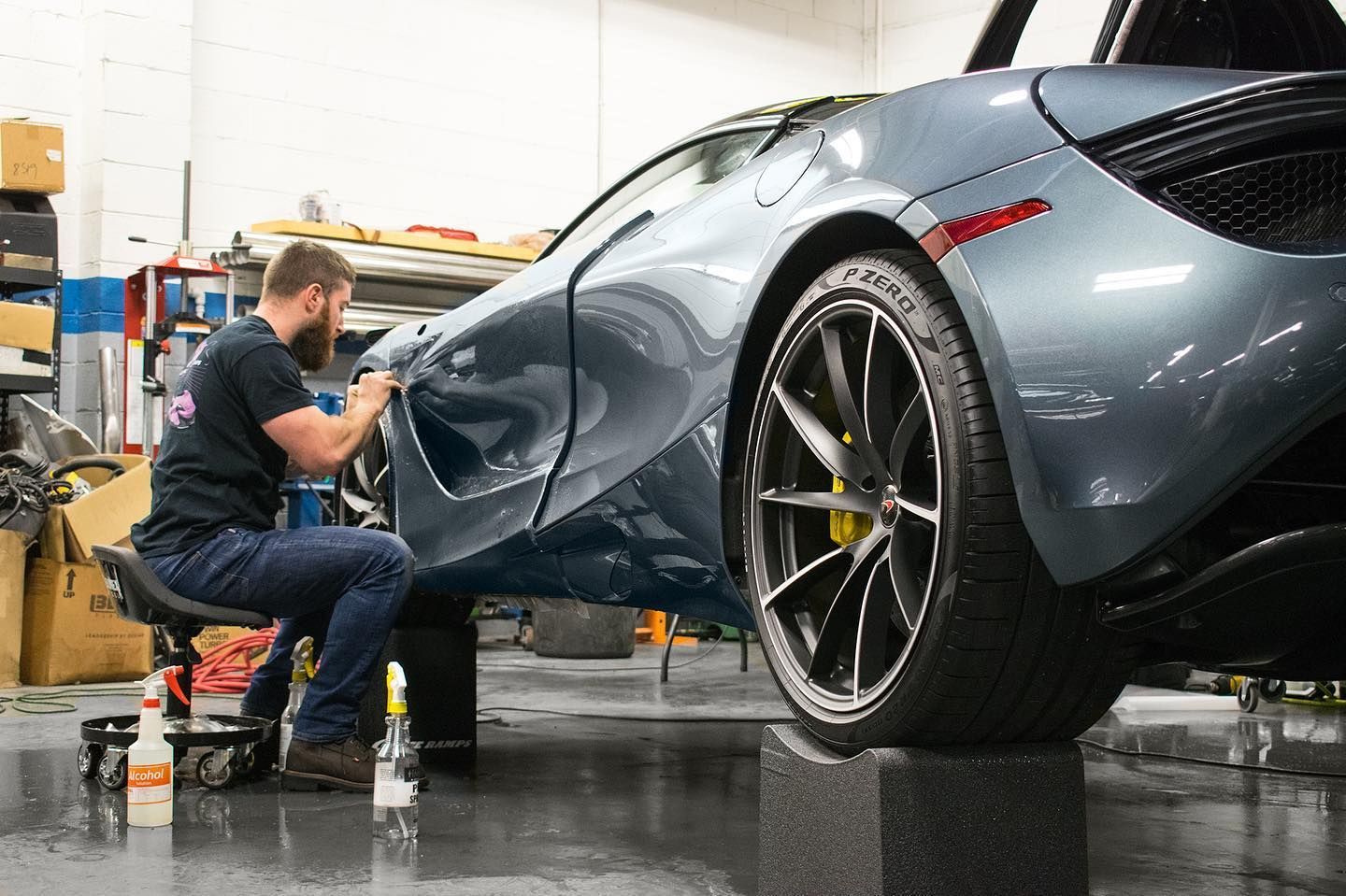
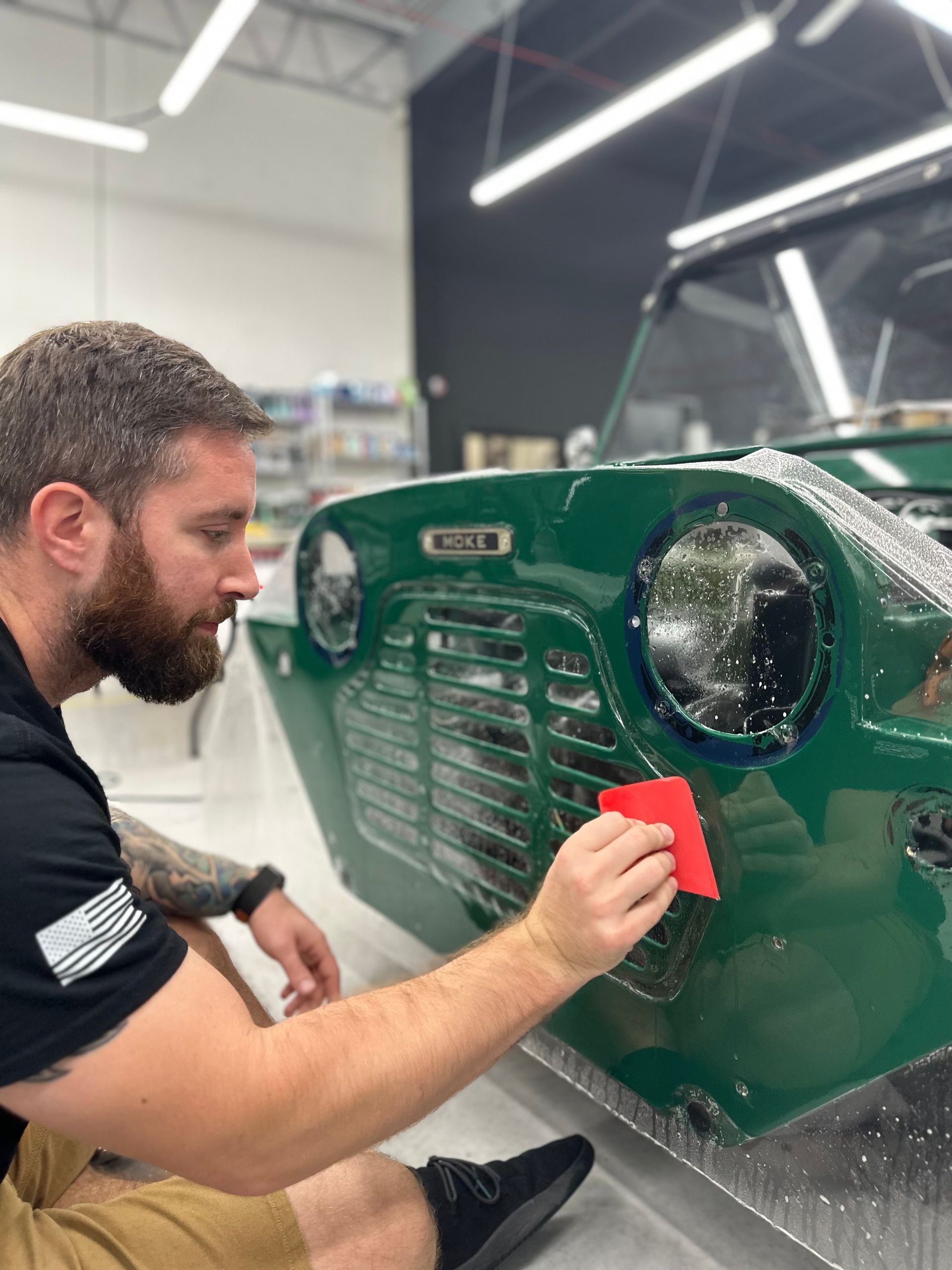
Paint protection film (PPF) is a thick, transparent urethane film that gets applied to your paint. Think of it like a screen protector for your car. It sits on top of the paint and takes hits so your paint doesn't. Modern films also self-heal from many minor surface marks when heat is applied.
Ceramic coating is a chemical layer, not a physical one. It bonds to your clear coat and creates a slick, hydrophobic surface. Instead of adding thickness, it modifies how your existing paint behaves. Quality products like trusted ceramic brands create surfaces that repel water, resist chemical staining, and shed dirt more easily.
The physical differences drive everything else. PPF is armor. Ceramic is a finish enhancer with chemical protection.
PPF vs Ceramic Coating: Head to Head
Here's where the differences matter most. PPF vs ceramic coating comes down to a few distinct categories:
Physical protection:
- PPF absorbs impacts from rocks, gravel, sand, and small road debris
- Ceramic coating provides zero impact resistance
Chemical protection:
- Both resist chemical etching from bird droppings, tree sap, and road salt
- Ceramic coating handles UV rays well long-term
- PPF blocks UV underneath the film itself
Cleaning benefit:
- Ceramic coating makes washing much easier due to hydrophobic behavior
- PPF is easier to clean than bare paint but not as slick as ceramic
Longevity:
- Quality PPF can last many years with proper care
- Ceramic coating typically lasts several years depending on the product
Appearance impact:
- PPF adds slight visible depth to the paint finish
- Ceramic coating enhances gloss and creates a wet-look shine
Coverage flexibility:
- PPF is usually applied to specific high-impact panels
- Ceramic coating typically covers the entire vehicle
The takeaway: they solve different problems. Confusing them leads to disappointment.
When PPF Makes More Sense
If your driving involves lots of highway miles, gravel driveways, construction zones, or off-road use, PPF is the answer. Rock chips are the top enemy of paint on daily-driven vehicles, and ceramic coating does absolutely nothing to stop them. Quality films absorb the impact and, on well-done installs, self-heal from many minor surface marks.
Situations where PPF is the priority:
- Highway commuters logging heavy freeway miles
- Truck owners hauling on unpaved roads
- Sports car drivers passing through construction zones
- Anyone parking in tight spots where door dings happen
- Owners of new or expensive vehicles protecting resale value
PPF is a significant investment, and full-vehicle coverage costs accordingly. Many drivers start with high-impact areas like the hood, front bumper, and mirrors, then add more panels over time as budget allows.
When Ceramic Coating Wins
If your car is mostly driven in normal conditions and you're focused on gloss, easier maintenance, and long-term paint preservation, ceramic coating is the smarter starting point. The maintenance benefits show up every wash for the life of the coating, and the deeper gloss is a daily reminder that the investment was worth it.
Ceramic coating shines in these scenarios:
- Weekend cruisers that don't see heavy road miles
- Owners who care about deep gloss and enhanced appearance
- Drivers tired of long wash sessions and stubborn water spots
- Older vehicles being preserved rather than protected from impact
- Show cars and enthusiast builds
Ceramic works with your existing paint, so if the finish is already damaged, polishing out the imperfections should happen first. Applying coating over swirl marks locks them in permanently, which defeats the purpose.
The Case for Using Both Together
For vehicles that deserve top-tier protection, PPF and ceramic coating pair well. PPF handles the physical impacts. Ceramic goes on top for the slick, hydrophobic surface and easier cleaning. This combination is common on high-end vehicles where the owner wants both armor and shine.
The pairing works because:
- Ceramic coating applied over PPF makes the film easier to clean
- PPF underneath handles rock chips and abrasion
- Ceramic on top adds gloss and hydrophobic behavior
- Combined coverage lasts longer than either alone in many cases
The cost adds up quickly, so this combination makes the most sense for expensive vehicles, cars kept for many years, or owners who want maximum protection without compromise.
Working with a shop that offers both means you can plan the layering properly instead of piecing services together from different installers.
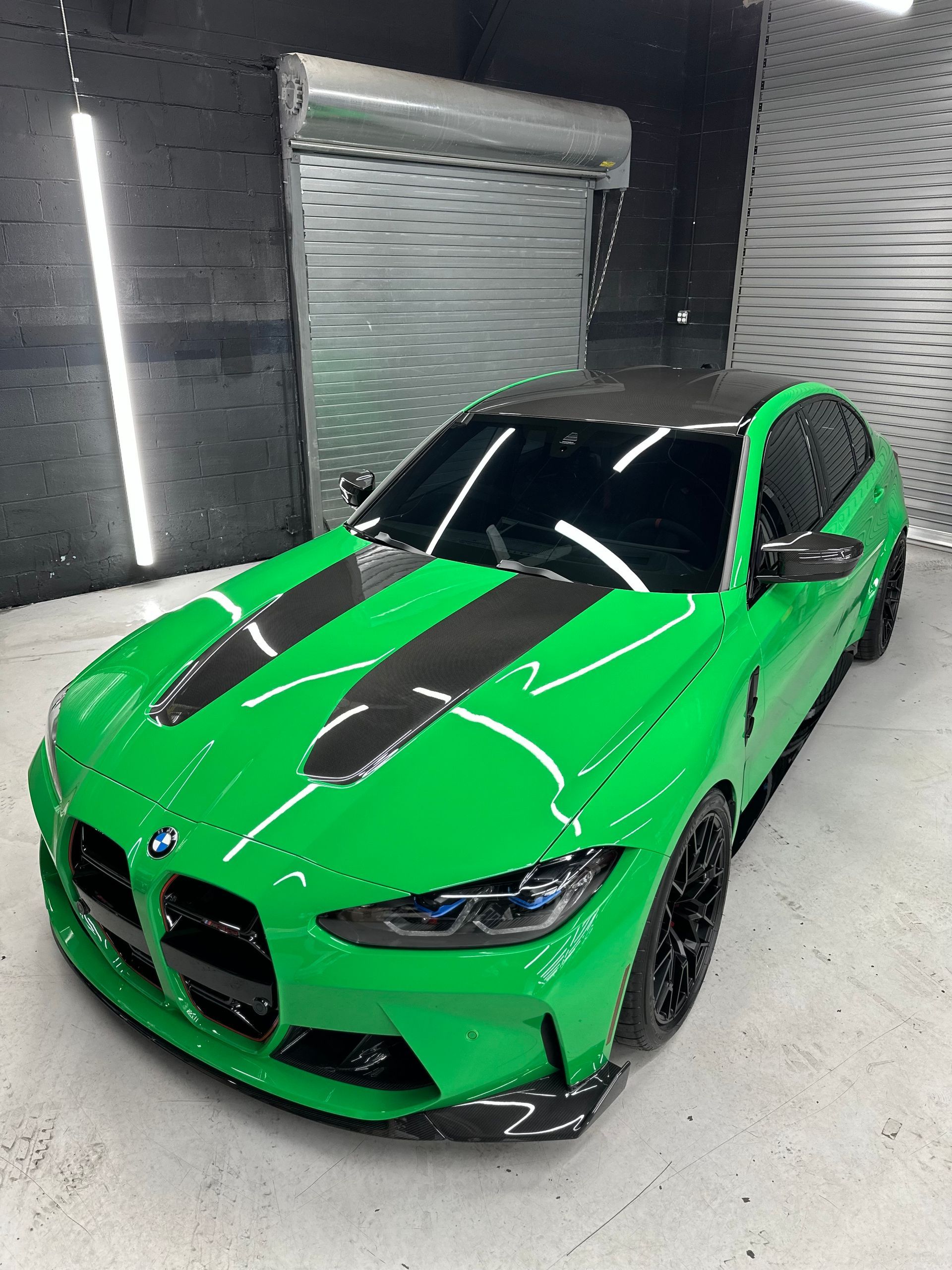
Get the Right Setup for Your Vehicle
Trying to decide which route makes sense for your car? Talking to a shop that installs both is usually more useful than reading another comparison article. Automotive Specialty Wraps handles both PPF and ceramic installs, so we can walk you through the actual tradeoffs for your vehicle. Whether you're looking at PPF only, ceramic only, or the layered approach that works best on high-end vehicles, the honest ppf vs ceramic coating conversation starts with what you actually drive and where. Let's talk it through, and we'll figure out the setup that fits.
Frequently Asked Questions
Which lasts longer, PPF or ceramic coating?
PPF generally lasts longer, holding up for many years with proper care depending on the film. Ceramic coating typically lasts a few years depending on the product grade and how well the vehicle is maintained. PPF is a physical film that gets replaced when damaged. Ceramic coating gradually loses its hydrophobic behavior and needs periodic reapplication.
Can ceramic coating be applied over PPF?
Yes, and it's a common approach. Ceramic on top of PPF makes the film surface easier to clean and adds hydrophobic behavior that plain PPF doesn't have. The film handles impacts; the ceramic handles dirt and chemical exposure. This layered approach is popular on luxury and performance vehicles where the owner wants both physical protection and easier maintenance.
Is PPF worth it if I already have ceramic coating?
It depends on the type of damage you're worried about. Ceramic coating won't stop rock chips or physical abrasion. If your vehicle sees highway miles or high-debris conditions, adding PPF to high-impact areas still makes sense even with ceramic already applied. The ceramic can be reapplied over the PPF after installation to keep the slickness on top.
Does ceramic coating hold up to abrasion as well as PPF?
No. Ceramic coating is thin, measured in microns, and offers no meaningful physical protection against impacts or abrasion. PPF is a thick film that absorbs impact energy. If physical durability is your priority, PPF is the correct choice. Ceramic is about surface behavior and chemical protection, not resistance to physical damage.
Does combining both cost more than just one?
Yes, combined coverage usually costs more than either service alone. Total pricing depends on how much of each you install. Some owners do full PPF plus full ceramic. Others do partial PPF on high-impact areas with full ceramic over everything. Talking to your installer about the specific combination for your vehicle is the only way to get accurate figures.