Corvettes are meant to be driven hard and shown off. Both at the same time, ideally. But the two goals pull in slightly different directions once you start picking a window tint. A darker shade looks aggressive and gives more privacy, while a lighter one keeps outward visibility sharper for spirited driving. Heat rejection matters more here than on most cars because that raked windshield lets the sun cook the interior. UV exposure eats away at leather and dash materials over time. Getting the tint dialed in properly on a sports car of this caliber takes some thought, not just a percentage number pulled off a chart. If you're weighing options for the best window tint for corvette installs, this guide breaks down what actually matters and where owners often go wrong.
What Makes Tinting a Corvette Different
Tinting a Corvette isn't the same job as tinting a sedan for a few reasons. The cabin is small and sits low, the greenhouse is dominated by that steeply angled windshield, and the interior gets serious sun exposure through large side glass. Whatever tint goes on the car needs to solve those problems while still complementing the styling that made you buy the car in the first place.
Priorities that tend to matter most for Corvette owners:
- Real infrared heat rejection to keep the cabin livable during summer
- UV rejection to protect leather and dash surfaces from fading
- A shade that reads clean, not overly dark
- Outward visibility for spirited driving and lane changes
- Film that holds up to serious sun without turning purple or bubbling
Cutting corners on film grade shows up quickly on a car this exposed to sun. The
available window tinting services cover multiple film grades and shade options for owners weighing these priorities.
Best Window Tint for Corvette: What Matters Most
When drivers ask about the best window tint for Corvette installs, the honest answer starts with film category rather than shade percentage. A dark low-grade film performs worse than a lighter ceramic film in almost every way that matters.
The categories to weigh:
- Dyed tint: Least expensive, fades to purple within a few years, blocks little heat
- Metallized tint: Blocks more heat but interferes with radio and cell reception
- Carbon tint: Middle option with respectable heat rejection and color stability
- Ceramic tint: Premium option with strong heat and UV rejection plus no signal interference
For most Corvette builds, ceramic is the answer. The heat rejection alone justifies the cost given the amount of sun the cabin catches, and the film stays looking sharp over years of ownership instead of aging poorly.
Balancing Heat, Style, and Visibility
Here's where the tradeoffs get interesting. Dark tint blocks more visible light and gives that aggressive show-car look, but too dark and you're squinting through your rear glass at night. Light tint keeps visibility strong but does less for privacy and heat.
How the tradeoffs shake out at common darkness percentages:
- 70 to 50 percent: Almost invisible tint but excellent heat and UV rejection with ceramic film
- 35 percent: Classic tinted look, still legal for front sides in most states, good all-around
- 20 percent: Noticeably darker, better privacy, reduced night visibility if used everywhere
- 15 percent and darker: Very dark, best privacy, often illegal on front sides, poor at night
Many Corvette owners split the difference: legal darkness on the fronts for driving visibility, darker on the rear for privacy and heat. That approach keeps the car functional while still looking sharp from behind.
How Shade Choice Affects the Corvette Look
Corvette paint colors are bolder than average, and tint choice either complements or fights the color. There's no single right answer, but some pairings work better than others.
Popular Corvette color families and tint compatibility:
- Torch Red or Rapid Blue: Medium tints keep the color popping without visual clutter
- Arctic White or Ceramic Matrix Gray: Medium-to-dark tints give strong contrast
- Black or Shadow Gray: Dark tints look factory-fresh; lighter shades wash out
- Elkhart Lake Blue or Amplify Orange: Medium tints balance the bold paint
Aside from raw color, the model matters. A Z06 or ZR1 build often carries darker tint well because the aggressive body already reads intense. A base Stingray driven daily typically looks better with a slightly lighter, cleaner-looking tint. Some owners pair tint with ceramic paint protection options so the paint gets the same durability care as the glass.
Getting a Clean Install on Curved Glass
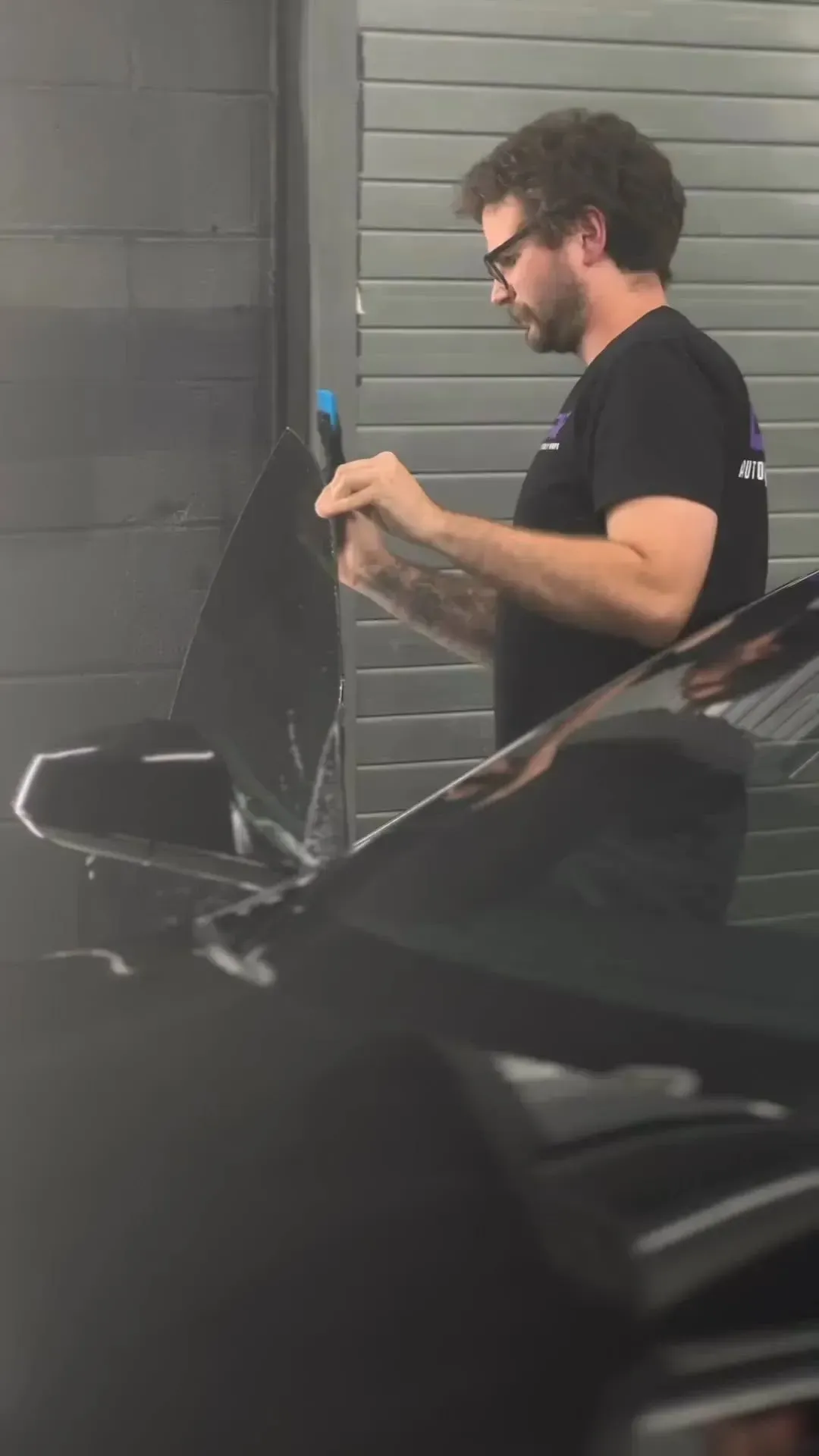
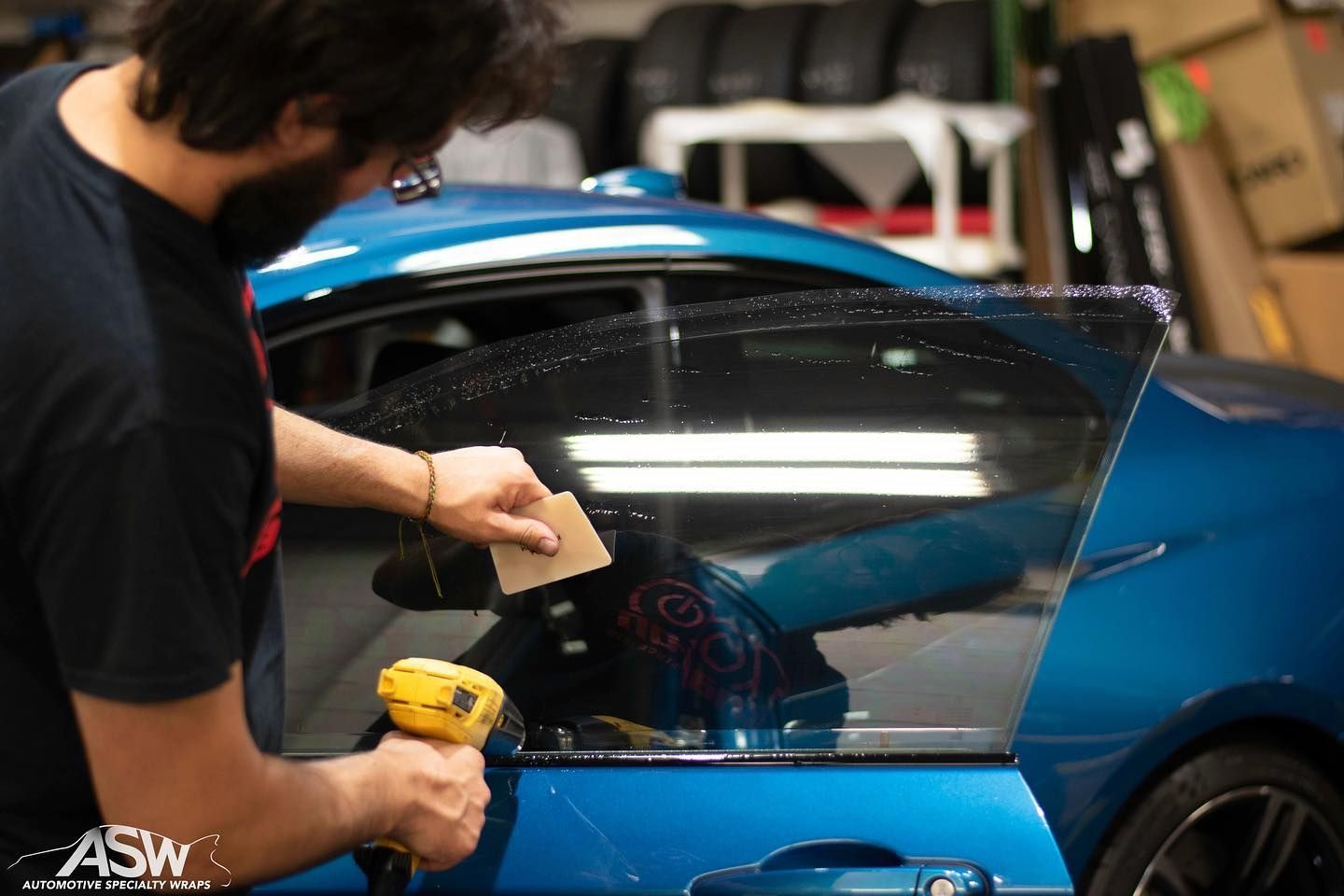
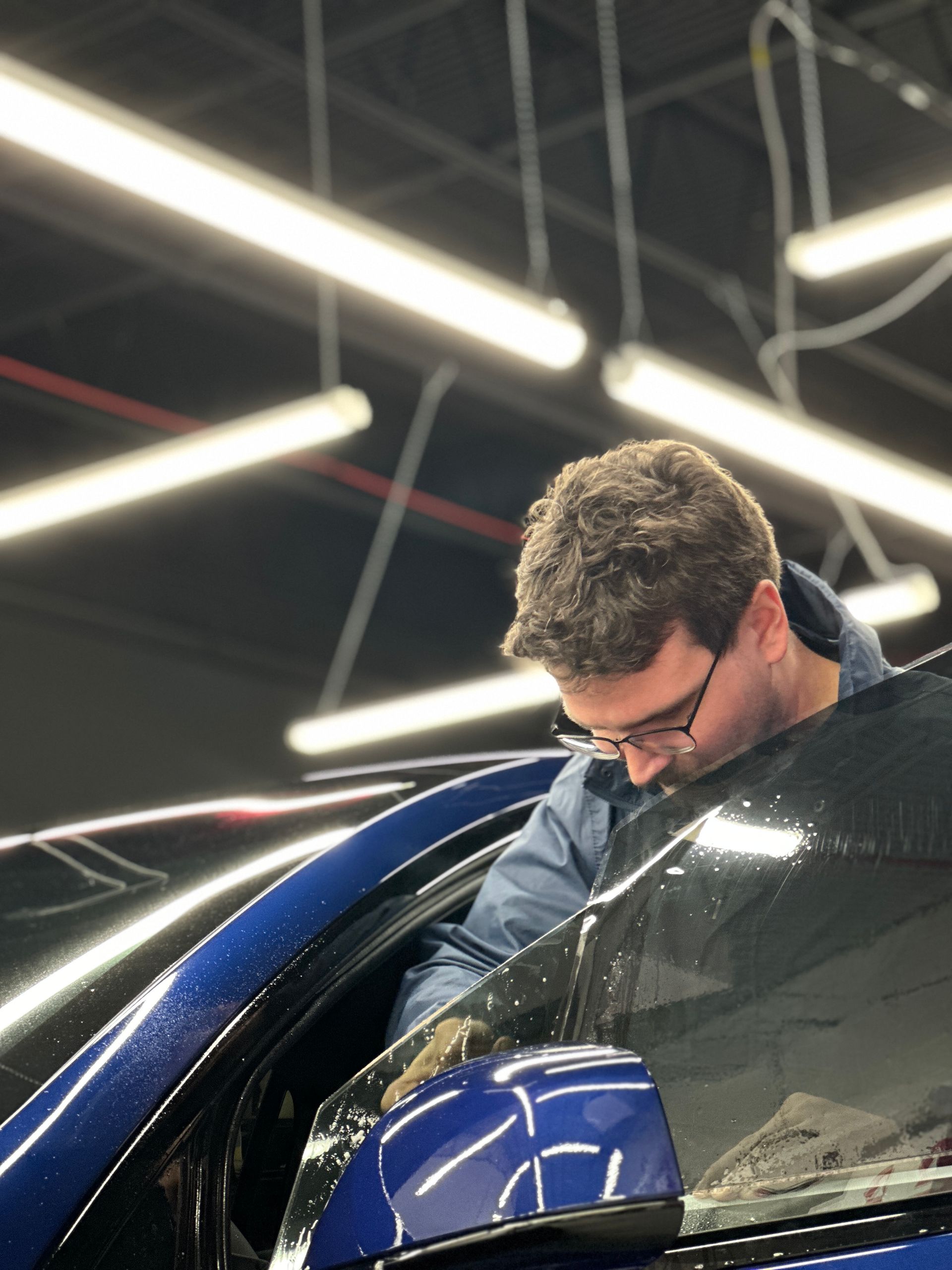
The install itself makes or breaks the finished look. Corvette glass presents challenges that most sedans don't. The rear glass on any Corvette coupe has serious curvature, the door glass sits flush and needs precise trimming, and the windshield strip requires perfect edge placement to look factory rather than aftermarket.
Where professional installers earn their fee:
- Heat-shrinking film to conform to the curved shape of the rear glass
- Cutting patterns matched to the specific Corvette generation and model year
- Trimming around defroster lines cleanly so they still function
- Fitting the film cleanly under rubber trim for a finish that reads factory
- Matching shade darkness across every pane so nothing looks off from any angle
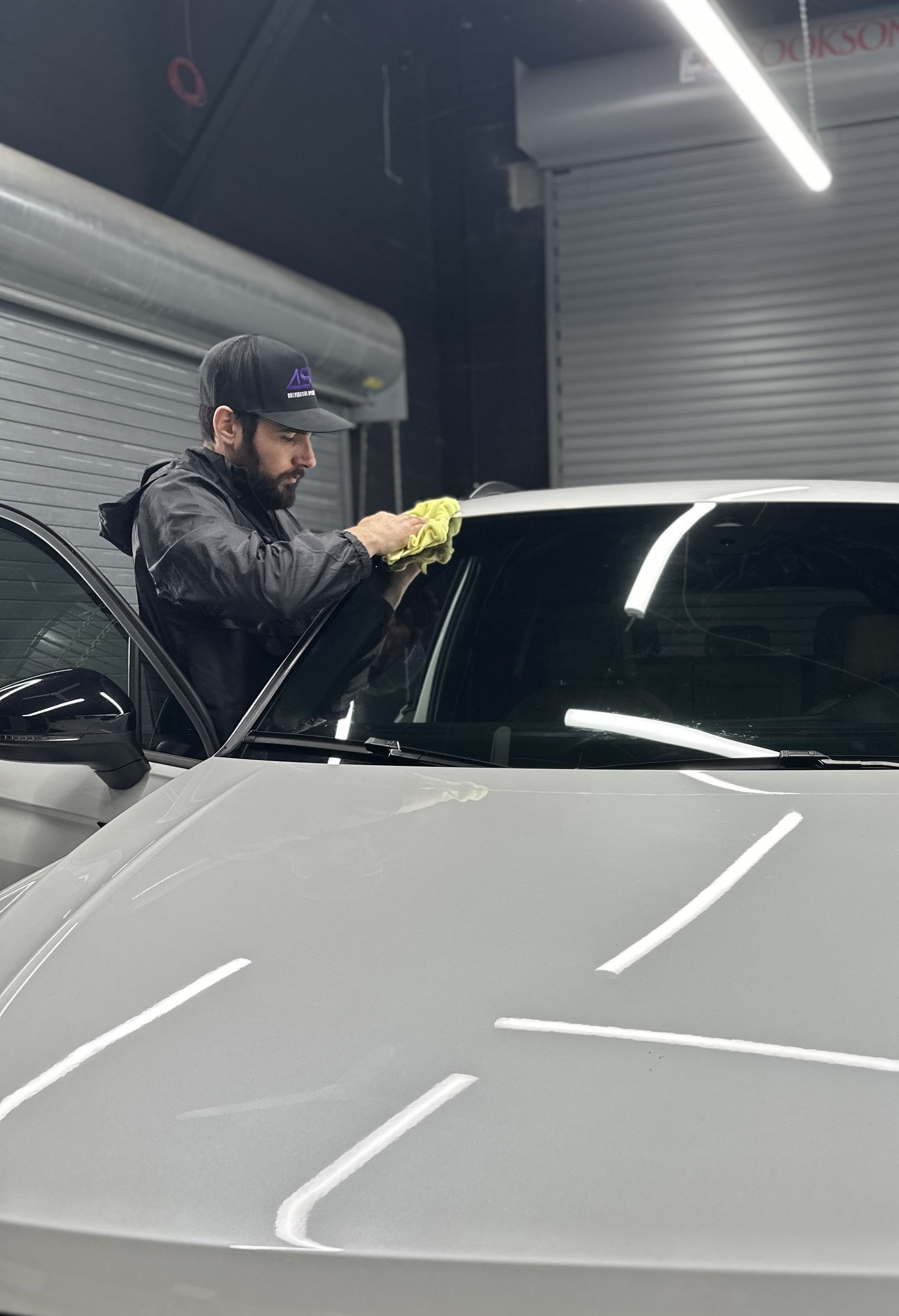
Botched installs on a Corvette are painful because the car draws attention. Purple edges, air bubbles, or peeling corners are visible to anyone walking past. Working with a team like
Automotive Specialty Wraps that regularly handles higher-end vehicles avoids the common install mistakes.
Book Your Corvette Window Tint Appointment
Thinking about tinting your Corvette but want to talk it through before booking? The tint specialists at Automotive Specialty Wraps handle everything from mild street tint to full ceramic packages, working with proven films from LLumar and SunTek. Whether you're driving a base Stingray or a Z06 that turns heads at every stoplight, choosing the best window tint for Corvette finishes starts with what you want the car to look like and how you use it. Contact the team to talk through the options.
Frequently Asked Questions
Does a Corvette need special tint film compared to other sports cars?
Not exactly, but Corvettes benefit from higher-grade film more than average because of the cabin design. The sharply angled windshield and large side glass mean more sun reaches the interior than in most vehicles. Ceramic film handles that heat load much better than budget options. The film itself is the same product used on other performance cars, but the case for choosing the premium grade is stronger on a Corvette.
Can I still tint a convertible Corvette?
Yes, though the calculation shifts. On a convertible, the rear glass and side windows still benefit from tint for heat and UV rejection when the top is up. However, the roof-open driving experience means less overall sun exposure on average. Many convertible owners choose lighter shades that look clean when the top is down and still provide useful protection when it's up. The install itself works the same way.
Will tint make visibility harder for spirited driving?
It depends on how dark you go. Legal front-side percentages leave outward visibility clear enough for aggressive driving. Going darker for the look sacrifices some visibility at night, which matters more on a car driven hard. Most Corvette owners who drive their cars regularly choose slightly lighter shades on the front sides than they might on a daily driver, keeping the tint aggressive-looking without compromising the driving experience.
Should I tint the sunroof or targa panel on my Corvette?
Yes, if it's transparent glass rather than a body-color panel. Tinting the removable roof section on applicable Corvette models reduces heat load significantly during summer driving with the panel in place. The install requires the same care as the rest of the glass, and shades should generally match the rest of the cabin for a consistent look from outside.
How does tint hold up on a car parked in the sun regularly?
Better with ceramic film than with any other type. Low-grade dyed film degrades quickly when parked outdoors, turning purple and bubbling within a few years. Carbon film handles sun better but still fades over time. Ceramic film is designed for exactly this kind of exposure and typically holds its color and heat rejection reliably across the years of the tint job. For a Corvette that's driven or parked outside often, ceramic is almost always worth the extra cost.