Paint protection film does its job protecting the surfaces underneath, whether that's a front-end package or full vehicle coverage. But the film itself needs some care too; otherwise, it can start looking cloudy, develop water spots, or lose the clarity that made it invisible in the first place. The good news is PPF care isn't complicated once you know what works and what doesn't. Most owners just default to their old washing habits, which is where problems start. Understanding how to care for ppf properly means adjusting a few routines around washing and drying, being aware of products that can damage the film, and building habits that keep the film performing over years of driving. This guide walks through the basics of PPF care, so your investment stays looking sharp.
Why PPF Care Matters
PPF is a premium product that costs real money to install. Neglecting the film's care means shortening the useful life of an install that was meant to protect your paint for years. Poor washing habits are the biggest culprit, causing the film to look dull or develop marks that wouldn't have appeared if the vehicle had been cared for properly.
What poor PPF care looks like over time:
- Water spots that don't wash out
- Loss of clarity that makes the film noticeable
- Lifting or cracking at panel edges
- Reduced self-healing performance
- Discoloration on lighter-colored vehicles
Vehicles with
proper paint protection film packages installed benefit from care that matches the quality of the install. The film is designed to last, but only when the owner handles it correctly at home.
How to Care for PPF: Safe Washing Practices
Understanding how to care for ppf starts with the washing routine. The film needs gentle handling, not the rough brushes and harsh chemicals that some drivers habitually use on their vehicles.
Safe washing habits for PPF-wrapped vehicles:
- Hand wash whenever possible, using a soft microfiber wash mitt
- Use pH-balanced car shampoo made for delicate finishes
- Follow the two-bucket method to keep dirt off the film
- Rinse thoroughly to prevent soap residue from drying on the surface
- Wash in shaded areas to keep the sun from drying soap on the film
Give the vehicle a full rinse before you start washing so any loose dirt gets flushed away rather than dragged across the surface with the mitt. Grit trapped against the film often causes visible marring, and even self-healing film has its limits.
Drying Your Vehicle Without Damaging the Film
Drying trips up more PPF owners than washing itself does. Air-drying leaves water spots. Old towels leave surface marks. Rubbing too aggressively damages the finish over time.
Better drying practices:
- Use a clean microfiber drying towel dedicated to the vehicle
- Pat and blot rather than dragging the towel across large areas
- Consider a leaf blower or filtered air blower for hard-to-reach spots
- Dry the film soon after rinsing to prevent water spots from forming
- Skip the chamois since they can trap dirt that damages the film
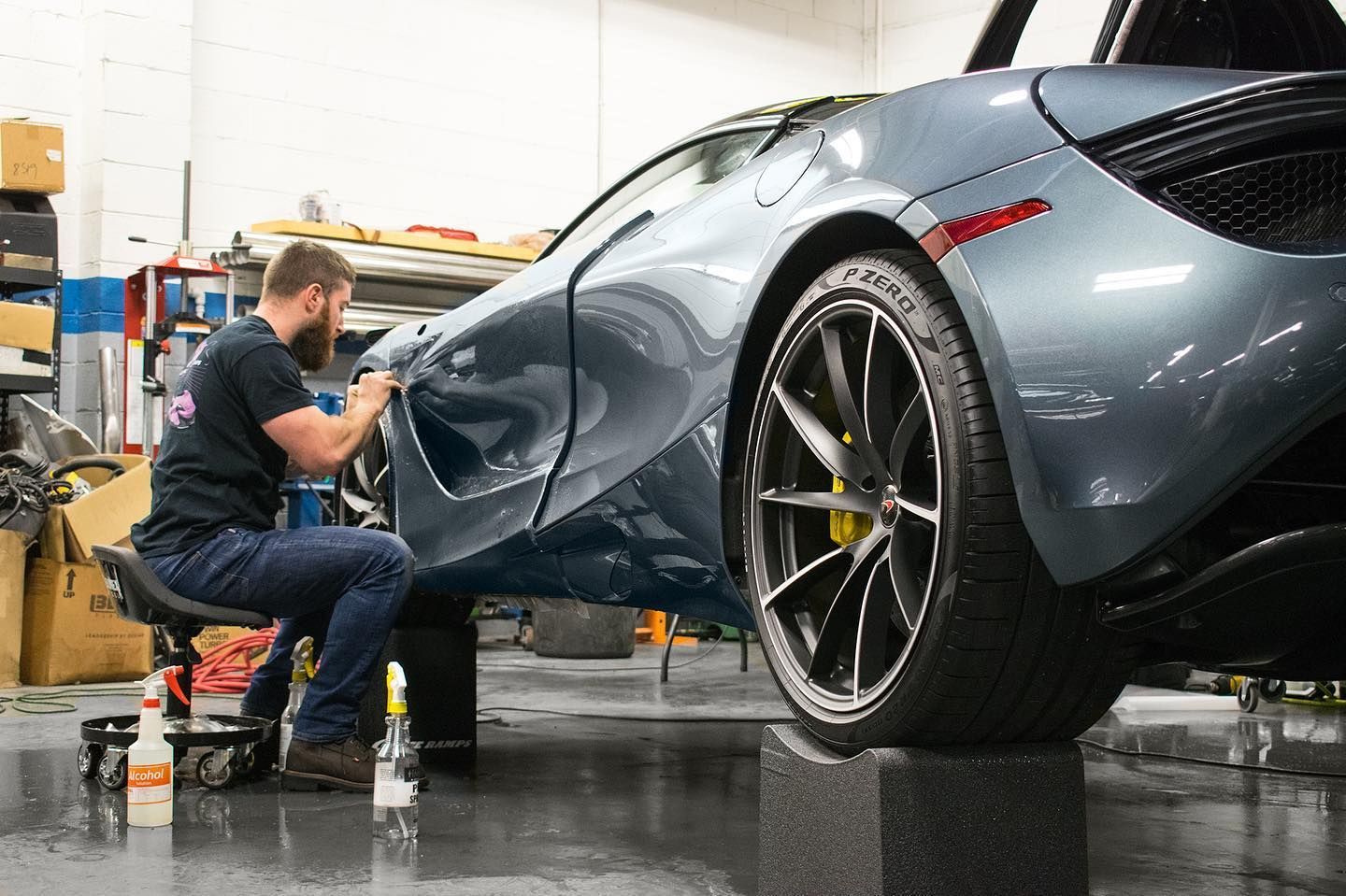
For owners who want the most protective approach, some pair PPF with professional detailing services periodically to keep the film in top condition. A pro handles washing and drying with tools built for the job.
What to Avoid on a PPF-Wrapped Vehicle
Several common habits can damage PPF without the owner realizing it. Many are so ingrained from years of standard car ownership that owners don't think twice about them.
Habits that shorten PPF life:
- Public car washes with abrasive brushes that can lift or mar the film
- Harsh solvents like acetone, ammonia, or alcohol-based cleaners
- Wax with harsh chemical content that can affect the film over time
- Ice scrapers used directly on the film in winter
- Pressure washing too close to the panel edges
Even one bad wash at an automated car wash with mechanical brushes can leave the film looking hazy. Working with a shop like Automotive Specialty Wraps that handles both installation and care advice can help you know exactly what's safe for your specific package.
Long-Term Habits That Keep PPF Looking Sharp
Long-term PPF care is more about consistent habits than any specific product. The film handles a lot of daily wear on its own but rewards owners who put in a little effort to maintain it properly.
Habits that pay off over the years:
- Wash the vehicle every one to two weeks depending on driving conditions
- Address bird droppings, tar, and tree sap as soon as you notice them
- Keep the vehicle out of direct sun for extended parking when possible
- Watch panel edges for any signs of lifting and address them early
- Consider adding ceramic protection over the PPF for extra hydrophobicity
Some owners pair PPF with ceramic coating options to add water-repelling behavior on top of the PPF's physical protection. This combination extends the useful appearance of both layers without adding install complexity.
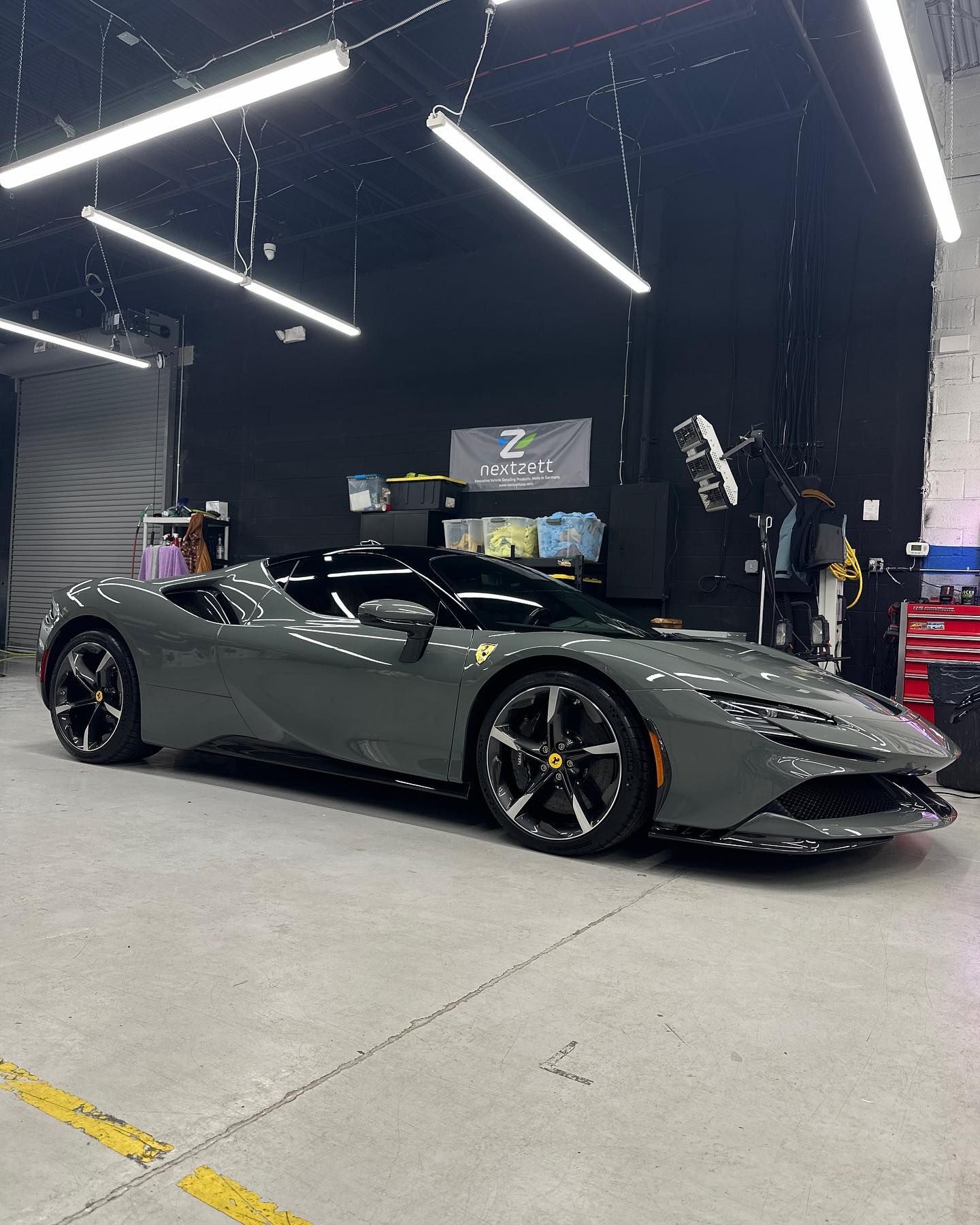
Book Your PPF Appointment
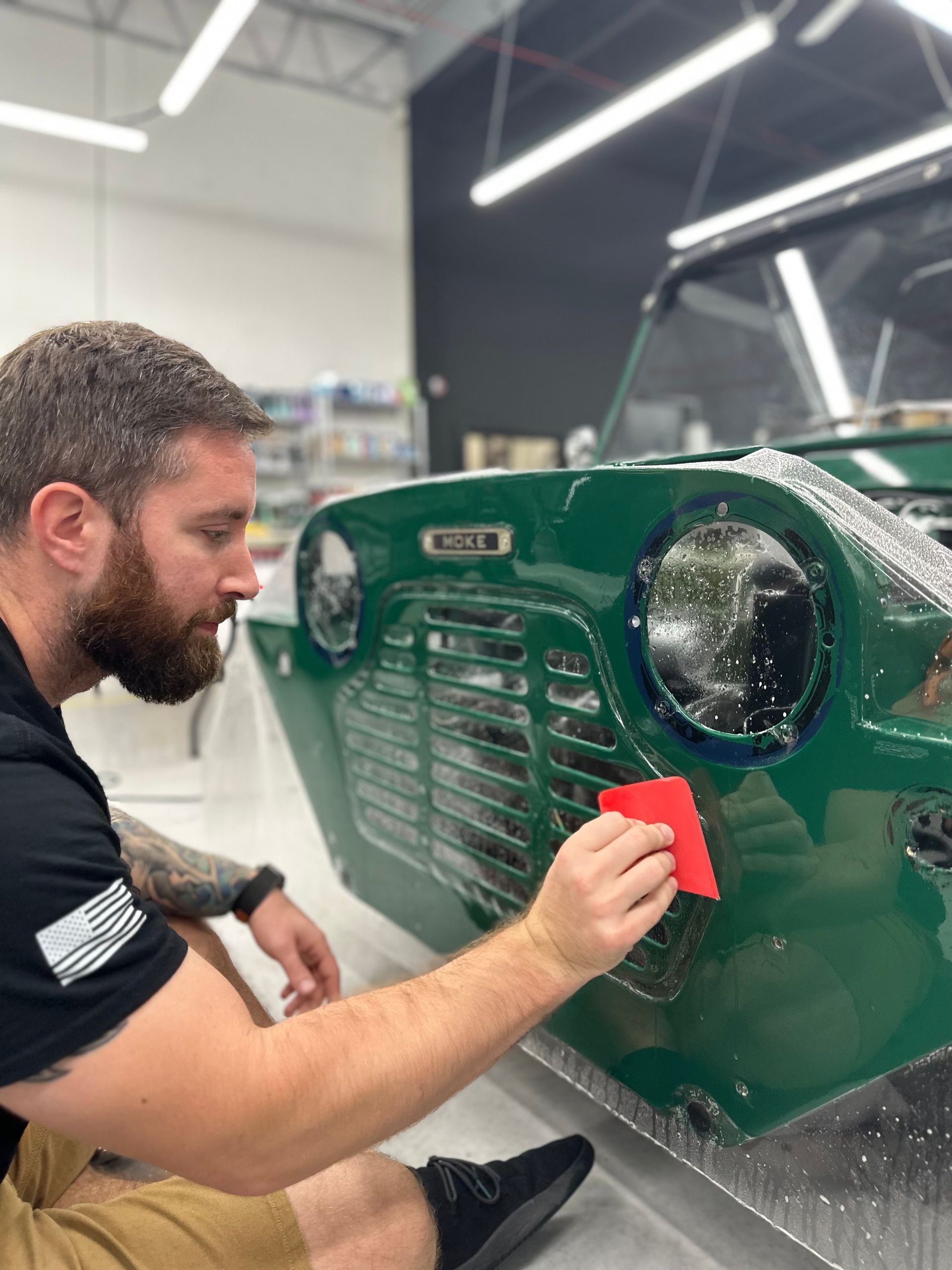
Just had PPF installed and want to keep it looking sharp? The paint protection specialists at Automotive Specialty Wraps handle new PPF installs and answer questions from owners about how to maintain existing film. Understanding how to care for ppf takes a few minutes of guidance and pays off in years of quality protection. Whether you have questions about specific products or want to book maintenance detailing to keep your film in top shape, the team is happy to help. Message the shop to book your appointment or get the guidance you need for your vehicle.
Frequently Asked Questions
How long should I wait to wash my car after PPF is installed?
Most PPF installs need to fully cure before the vehicle gets washed. Your installer will advise on the specific wait time depending on the product and install conditions. Generally, gentle rinsing is fine after the first few days, but full washing with soap and pressure should wait longer. Follow whatever guidance the shop provided at pickup to avoid disturbing the film adhesive during the cure period.
Can I use regular car soap on PPF?
Yes, most pH-balanced automotive shampoos work well on PPF. Avoid dish soap, household detergents, or any soap with heavy alkaline or acidic content that could damage the film over time. If a soap is designed for painted vehicle surfaces and is pH-neutral, it should be safe for PPF as well. Rinse the vehicle thoroughly to check that no soap residue remains before it dries in place.
Can I add ceramic coating over my PPF?
Yes, ceramic coating over PPF is a common combination. The ceramic adds water-repellent behavior and easier cleaning while the PPF provides the physical protection against defects and impacts. Many higher-end vehicles get both installed together for the fullest protection. Discuss the option with your installer to see if it fits your specific vehicle and driving conditions.
Can PPF handle a pressure washer?
With some care, yes. Keep the nozzle at a safe distance from the film and avoid focusing the stream directly on panel edges where the film could lift. Wide-angle nozzles are safer than concentrated tips. If you notice any edge lifting during washing, stop and take the vehicle to your installer for inspection before the issue spreads further.
How do I remove bird droppings or tree sap from PPF?
Address these as soon as possible since acidic substances can damage the film if left too long. Soak the affected area with a wet microfiber cloth for several minutes to soften the material, then gently wipe away. For stubborn spots, a PPF-safe cleaner may help, but avoid solvents that could damage the film. If you're unsure about a specific product, ask your installer before using it.