How Ceramic Coating Helps Reduce the Effects of Environmental Contaminants
If you've ever wondered why your car looks dirty again two days after a fresh wash, the answer is sitting on the paint right now. Every drive coats your vehicle in a fine layer of dust, road film, pollen, and whatever else is floating around the air that day. Without anything between that stuff and your clear coat, it bonds, etches, and breaks down the finish over time. Ceramic coating changes the math. It puts a slick, chemically resistant layer between your paint and the world, so contaminants have a much harder time sticking, etching, or doing real damage. For drivers thinking about ceramic coating Elmwood Park options, knowing how this barrier works against everyday buildup is what helps you see the real value behind a proper install.
What Daily Exposure Does to Unprotected Paint
Your car's clear coat is tougher than people think, but it's still a finite surface that wears down with constant exposure. Some of what your car paint has to deal with every day:
- Acidic bird droppings that etch into the clear coat within hours
- Tree sap that hardens and pulls paint up when picked off
- Road grime, salt, and tar from highway driving
- Pollen and organic debris during peak seasons
- Dust, pollution, and airborne particles that act like fine sandpaper
- Bug splatter with proteins that bond aggressively to paint
None of this looks dramatic in the moment. But add it up over months and years, and you get a finish that's hazier, duller, and more prone to swirl marks during washing. Once the clear coat thins out, the color underneath fades faster too.
Ceramic Coating Elmwood Park: How the Barrier Works
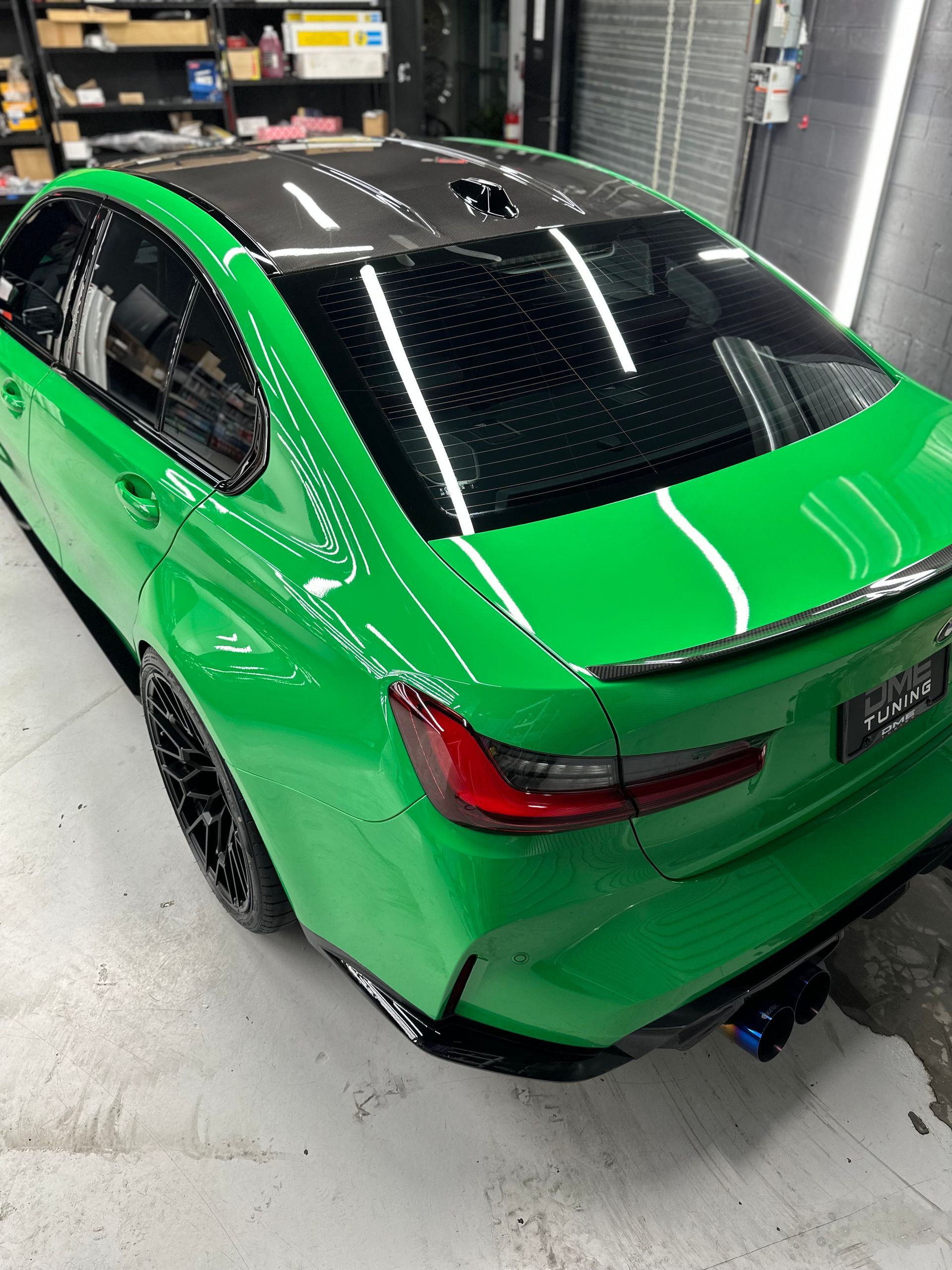
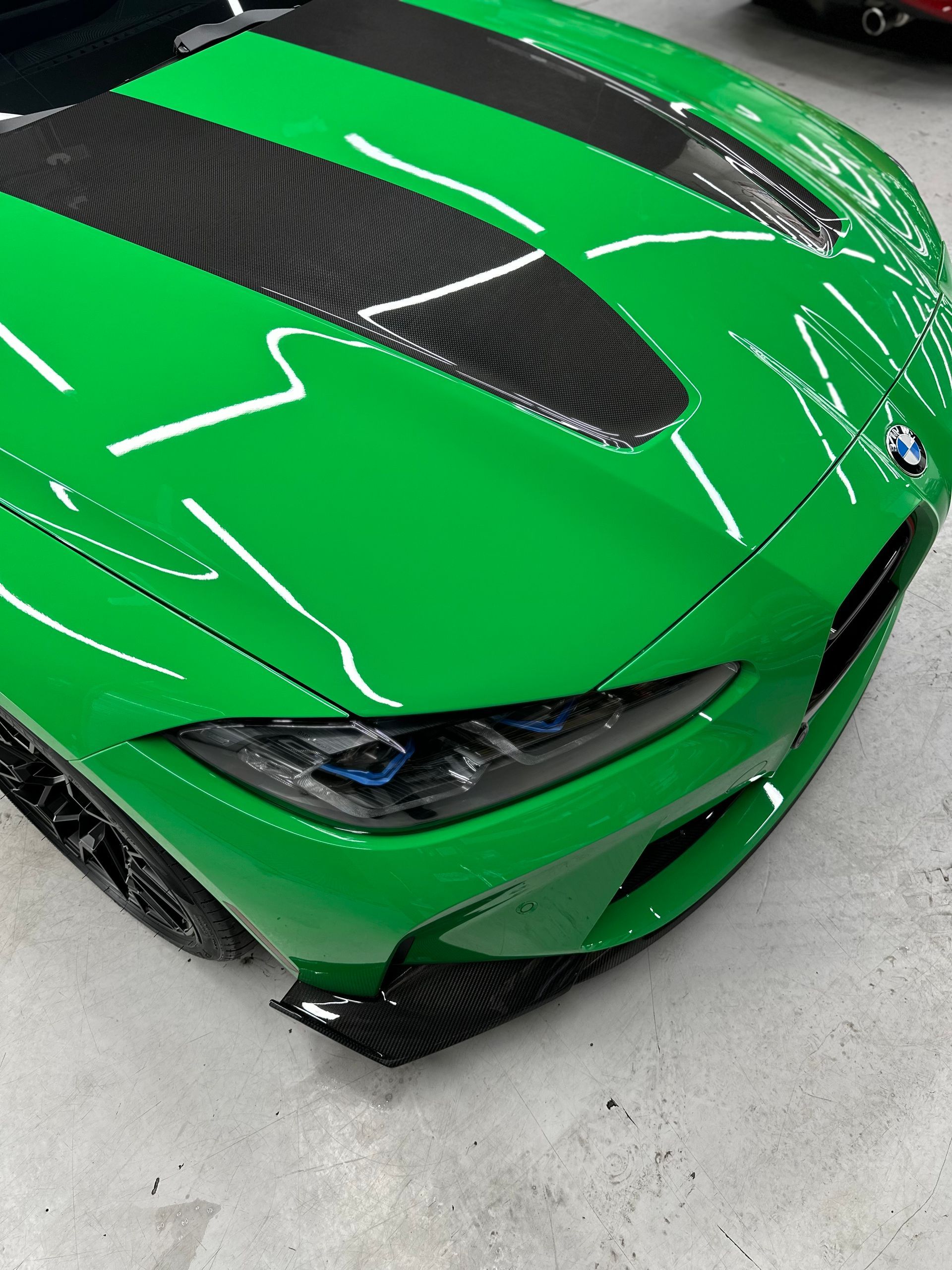
Ceramic coating installations work by chemically bonding to your paint at the molecular scale. The result is a hard, glassy layer that sits above the clear coat and takes the hits your paint used to. When contaminants land, they meet the coating first, not your finish.
That barrier offers a few specific advantages:
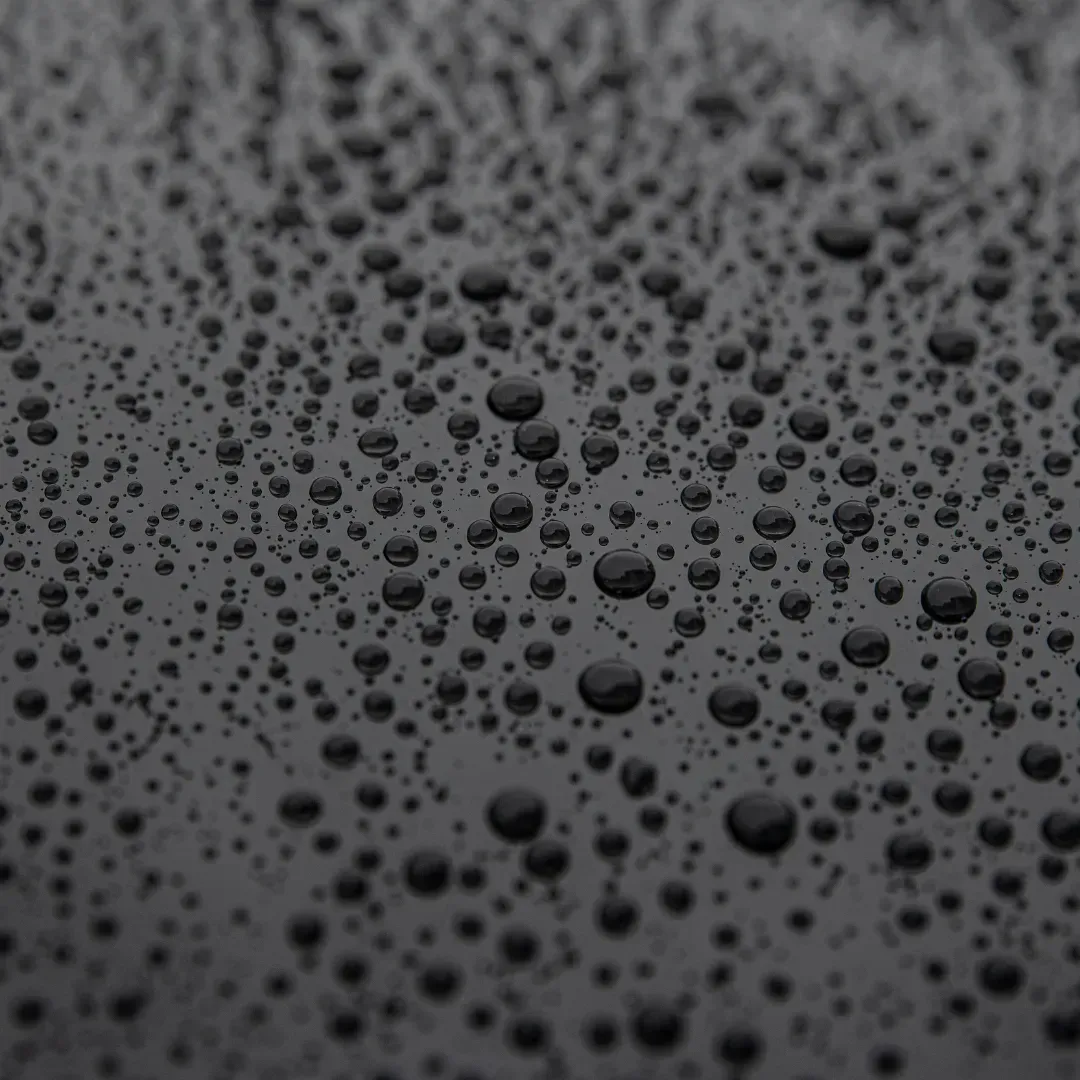
- Hydrophobic behavior makes water sheet off instead of beading and sitting
- Slick surface tension keeps dirt, dust, and pollen from grabbing on
- Chemical resistance limits etching from bird droppings, sap, and road salt
- UV protection slows oxidation and color fade on hot days
- Easier surface cleanup since contaminants don't bond the same way
It's not invincible. Plenty of myths float around about coatings stopping every kind of damage, and that's not realistic. But for the daily contamination most cars face in the Elmwood Park area, a properly installed ceramic coating with a quality formula cuts the effects down a lot.
Easier Cleaning Routines With a Coated Car
This is the day-to-day benefit most owners actually notice first. With a coating in place, washing becomes way less of a chore and gets done way faster. The slick surface means dirt doesn't dig in, water sheets off the panels, and you spend less time fighting buildup with chemicals and brushes.
What that looks like in practice:
- Rinse-only washes pull off most light contamination
- Soap and a soft mitt handle the rest with minimal effort
- Bird droppings wipe off cleanly if caught in a reasonable window
- Water spotting becomes far less of a concern after rain
- Drying with a soft towel takes less time and effort
Plenty of owners report dropping from a 45-minute hand wash to about 15 minutes once the coating is in. That's a real chunk of time back in your weekend.
What Long-Term Maintenance Actually Involves
A coated car still needs maintenance. The coating isn't a permanent fix, and skipping basic care will shorten how long it stays slick and protective. Here's what a sensible maintenance approach looks like:
- Wash every two weeks or as needed using pH-neutral car shampoo
- Avoid harsh degreasers or strong alkaline products on coated panels
- Use a clean microfiber mitt and soft towels to dry
- Wipe off contamination like bird droppings as soon as you spot them
- Get a maintenance booster applied every year or two when slickness drops
Skipping these steps doesn't ruin the coating right away, but it does shorten its useful life. The owners who get the most out of the coating setup think of it as ongoing maintenance, not a one-and-done install.
Why Application Quality Determines the Outcome
Here's where a lot of DIY coating jobs come apart. The product is only half the story. How it gets applied determines whether the bond actually forms, how evenly the layer cures, and how the surface behaves a year later. Pro installation matters because:
- Proper paint decontamination is needed before coating goes down
- Surface temperature and humidity affect curing
- Even coverage requires careful application, section by section
- Inspection lighting catches high spots before they cure in
- Final wipe-down has to happen at the right time, not too early or too late
A coating done in a dusty garage on a hot day with shortcut prep won't perform like one installed in a managed indoor space by
a shop that does it every week. The product label might be the same. The result won't be.
Schedule Your Elmwood Park Ceramic Coating
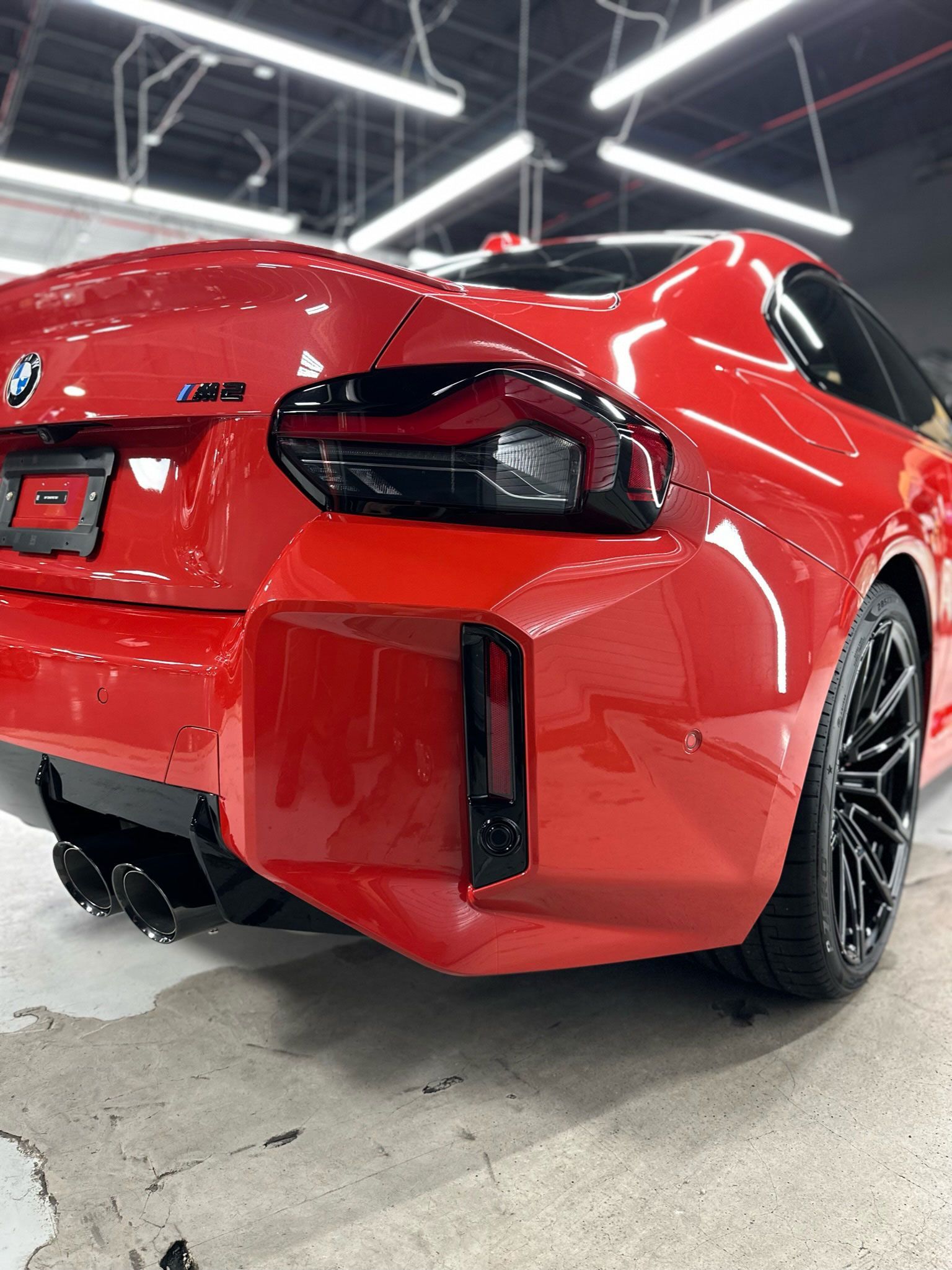
If your car is parked a lot outdoors, sees daily driving, or just deserves better than a wax that washes off, a proper coating solves more problems than most owners realize. Automotive Specialty Wraps has been at this for over a decade, running an IDA-certified shop that installs ceramic coatings for drivers in the Elmwood Park area. We're enthusiasts at heart, and that shows in how we work on every car. Got questions about your ceramic coating Elmwood Park project? Get in touch with us, and we'll talk through what makes sense for you.
Frequently Asked Questions
How long does ceramic coating last on a daily-driver vehicle?
Quality coatings installed properly can last several years on a daily driver, though the actual lifespan depends on a few factors. Sun exposure, weather, washing habits, and how often the vehicle picks up contamination all play into how long the coating stays slick and protective. Some products are rated for longer than others, and proper aftercare matters as much as install quality. A coating that gets neglected with harsh chemicals and abrasive sponges won't make it nearly as long as one washed gently with the right products.
Can ceramic coating prevent all paint damage?
No coating can prevent every kind of damage. What ceramic coating does is reduce the impact of contaminants, slow chemical etching, and protect against UV-driven fading. It won't stop rock chips, deep abrasion, or major impacts. For vehicles facing heavy road debris, pairing ceramic coating with paint protection film offers stronger physical defense on high-impact areas of the body. Owners who understand what the coating can and can't do tend to be happier with their results long-term.
Is ceramic coating worth it for an older vehicle?
It depends on the paint condition and your plans for the car. If the paint is sound but losing gloss, paint correction followed by a coating can bring back a lot of the original look and protect what's left. If the clear coat is heavily damaged or peeling, coating alone won't fix that. A proper assessment by an installer is the best starting point. Plenty of older vehicles benefit from the right combination of paint correction and ceramic coating done together.
Does ceramic coating make car washing pointless?
Not at all. Coated cars still need regular washing to keep contaminants from building up. What changes is the effort and the result. Washes go faster, dirt doesn't bond the same way, and you can often get away with a rinse and quick wipe instead of a full detail process. The coating doesn't eliminate maintenance. It just makes the routine easier and helps the finish stay sharp between deeper cleans.
How often should I have my ceramic coating boosted?
Most coated vehicles benefit from a maintenance booster every 12 to 24 months, depending on driving conditions and the original product. The booster restores hydrophobic behavior, refreshes the slickness, and adds another layer of UV defense. Your installer can suggest a specific schedule for your coating based on the product used and how the surface is performing. If water stops beading or the paint loses its slick feel, that's usually the sign it's time.