Paint Protection Film Elmwood Park: Coverage Options for Large Body Panels
There's a moment when you look at the front of your car and notice the hood already has a few road marks, even though it's only a year old. Or the door takes a hit in a parking lot, and the paint chips where the door edge meets the body line. Big panels catch the most damage on a vehicle. They're also the hardest to cover well with paint protection film because every long stretch of surface, every curve, and every body line has to be wrapped without gaps or visible seams. For drivers thinking about paint protection film Elmwood Park options, knowing how pros approach those large surfaces is the difference between coverage that disappears into the finish and coverage that looks like a wrap from twenty feet away.
Why Large Body Panels Need Specific Coverage Approaches
Small panels like mirror caps or fender flares are pretty straightforward to wrap. The trouble starts on long, broad surfaces like hoods, doors, and roofs. Why? Film has to be lifted, stretched, and positioned across a much bigger area while keeping every edge tight and every contour matched. Mistakes get harder to hide.
Some of the challenges installers handle on bigger panels:
- Compound curves where the surface bends in two directions at once
- Body lines that need film to follow without bunching at the corners
- Long stretches of flat surface where dust contamination is more likely
- Edges that need to wrap into door jambs, hood gaps, or trunk seams
- Color matching across multiple film pieces if seams are needed
Get any of these wrong, and the install starts looking off within months. Working with
premium films from trusted makers helps, though technique still drives the result.
Hoods and Front Sections: Highest Impact Zones
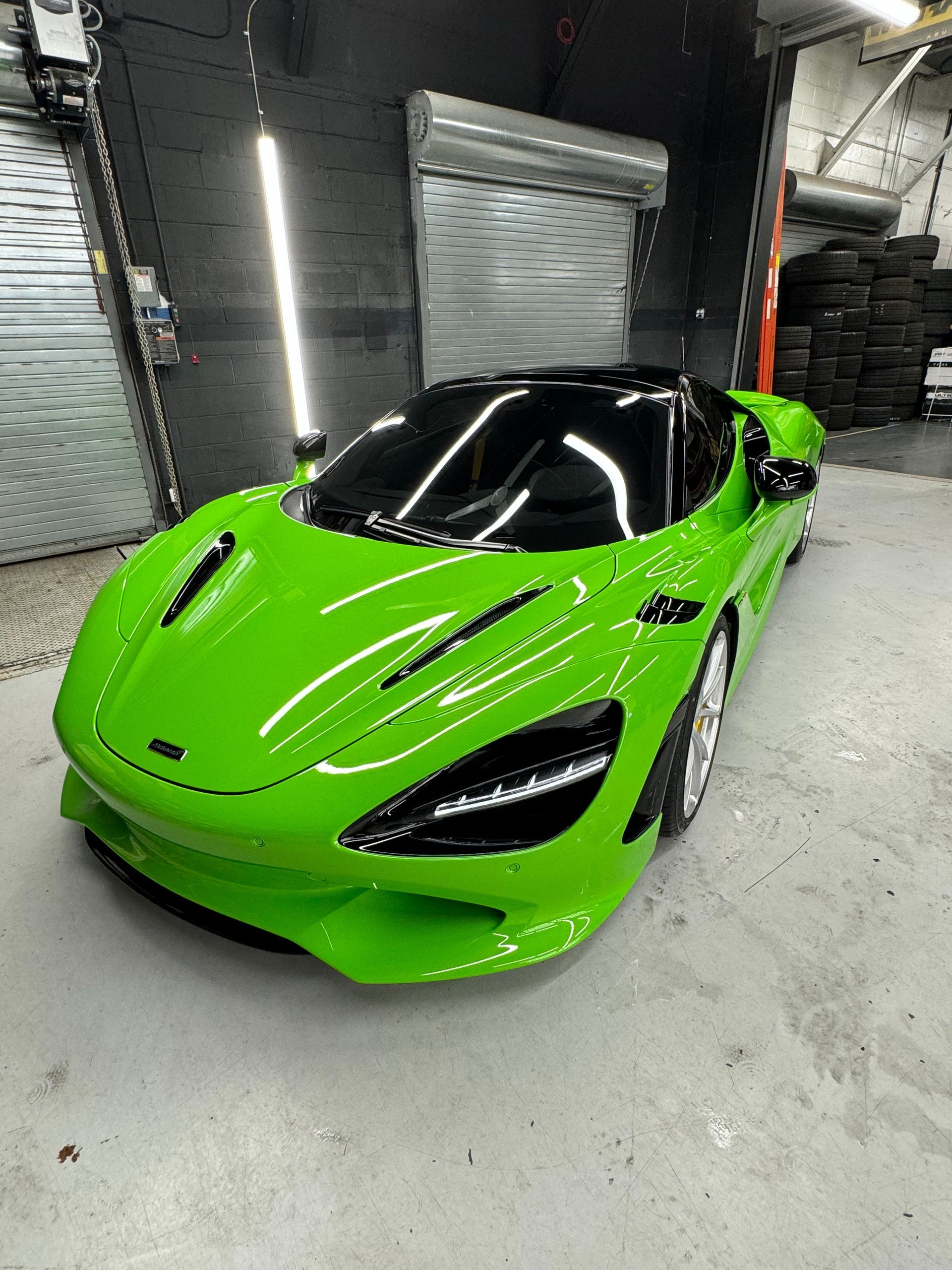
The hood is the most vulnerable panel on any vehicle. It catches rock chips off highway driving, bug strikes, and direct UV all day long. Hood coverage is also where most owners start with PPF, since the value of protecting one big panel is high.
Hood coverage usually includes:
- Full hood from leading edge to cowl
- Wrap-around at the front edge where chips hit hardest
- Headlight covers for impact and UV defense
- Front bumper continuation for a complete front-end shield
- Optional fender extensions for side debris
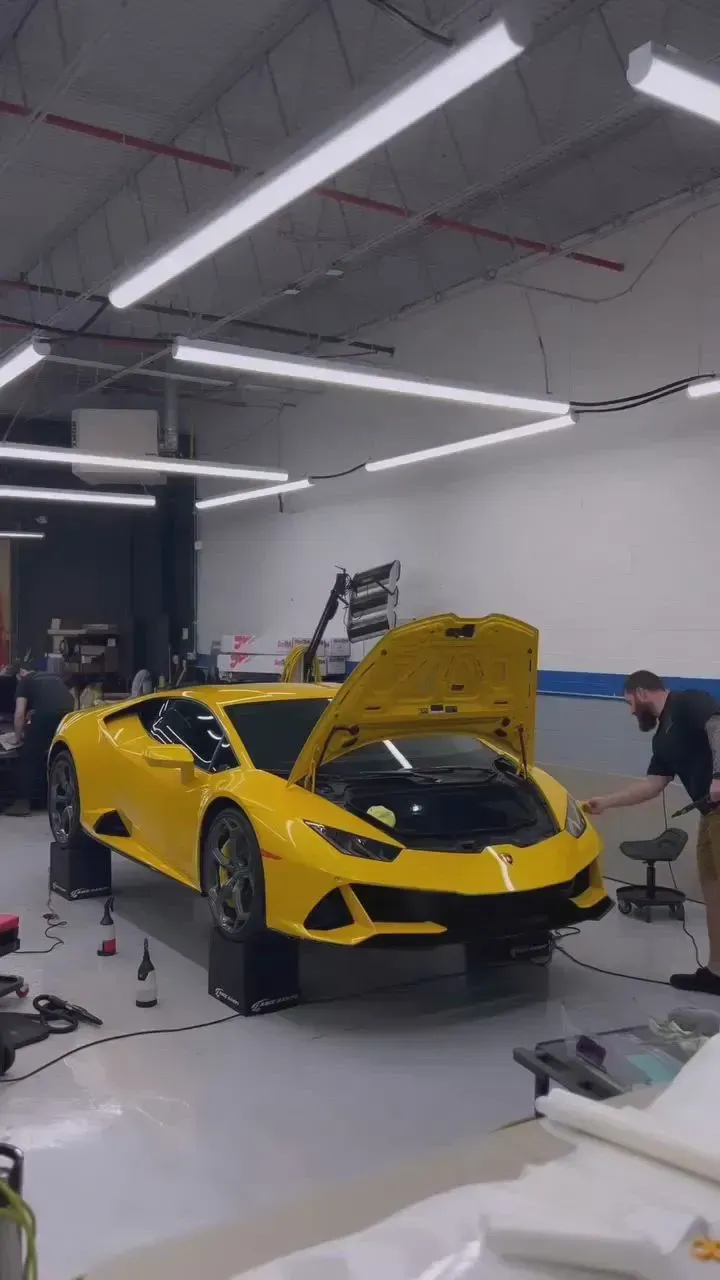
A well-wrapped hood disappears into the paint. Done poorly, you see the edge line from across the parking lot. Pro installers use pre-cut patterns matched to exact hood shapes for a given make and model. Most shops offer different coverage tiers so you can pick how much of the front to wrap.
Doors, Fenders, and Quarter Panels: Side Coverage
Side panels face different types of damage than the front. Door dings from adjacent cars, debris kicked up by your own tires, and impact where rocker panels meet the body all add up. Quarter panels behind the rear wheels catch a lot of road grit too.
Common side coverage strategies:
- Full door panels wrapped to the trim line
- Door cups protected from fingernail wear
- Rocker panels covered for road debris
- Rear quarter sections behind the wheels
- A-pillars and side mirrors as add-on items
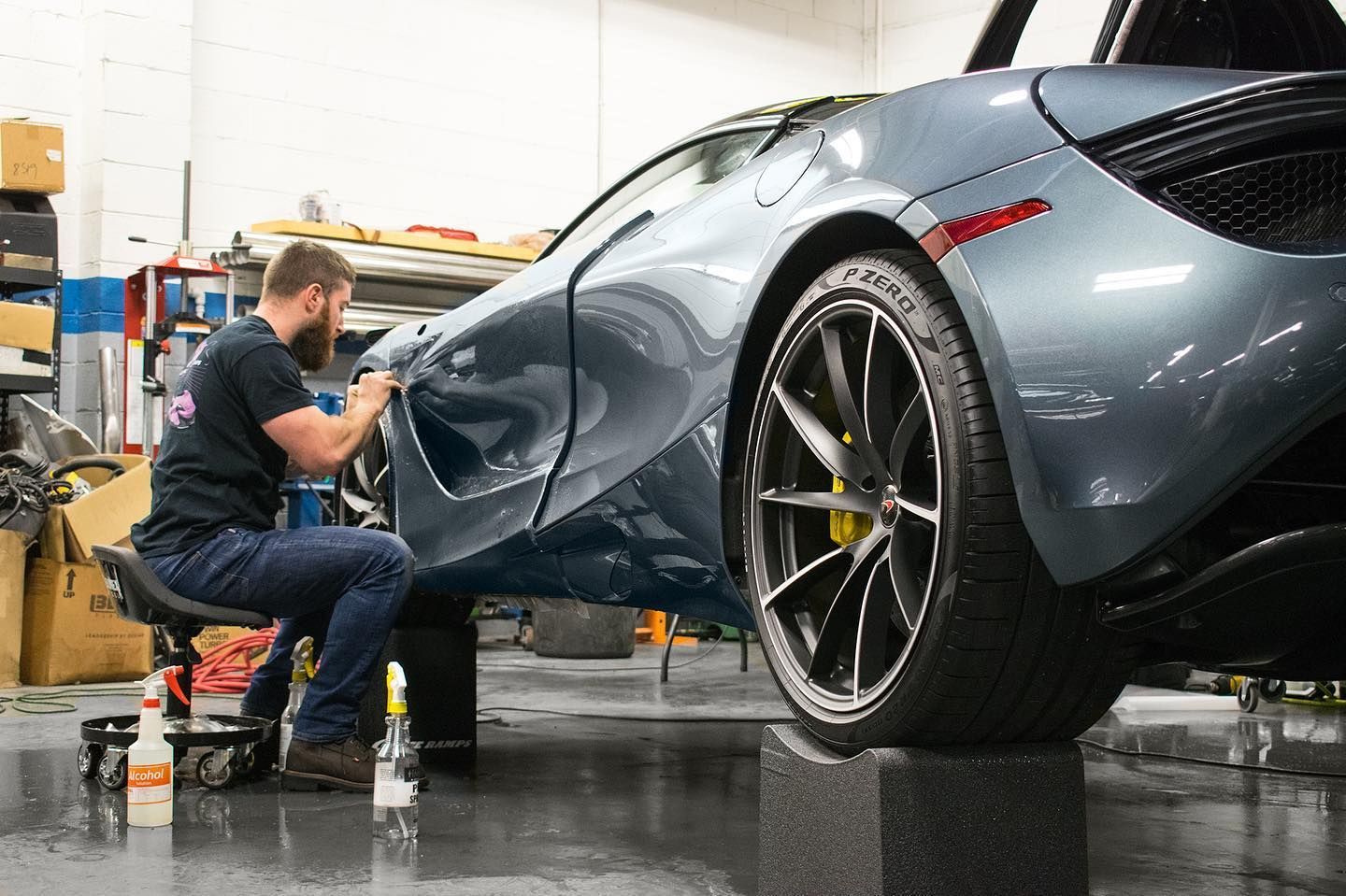
Side panel installs need careful edge work since door panels meet the body at seams, gaps, and pinch welds. The film has to tuck cleanly so the install looks finished.
Roofs, Trunks, and Other Big Surfaces
These are panels people often skip, but if your car is parked outside or in tree-heavy areas, they take real damage from sap, leaves, and UV. Roof film helps owners who care about the long-term finish.
Big surface areas worth considering:
- Full roof for UV defense and falling-object protection
- Trunk lid for protection during loading and unloading
- Cargo sills for SUVs and crossovers
- Lower body sections on trucks for off-road use
The roof is the biggest single panel on most vehicles, so getting it right needs the most patience and skill. It's also the panel where a poor install shows up fastest, since you're looking down at it from above whenever you walk up to the car.
Paint Protection Film Elmwood Park: How Pros Handle Large-Panel Installs
The technique for wrapping big surfaces comes down to prep, patience, and precision. Paint protection film Elmwood Park installers work with pre-cut patterns sized to specific panels, which removes a lot of the guesswork compared to bulk-roll cutting on the car.
A typical large-panel install includes:
- Thorough surface decontamination before the film goes down
- Pattern preparation specific to the make, model, and panel
- Application sprays that allow positioning before the adhesive sets
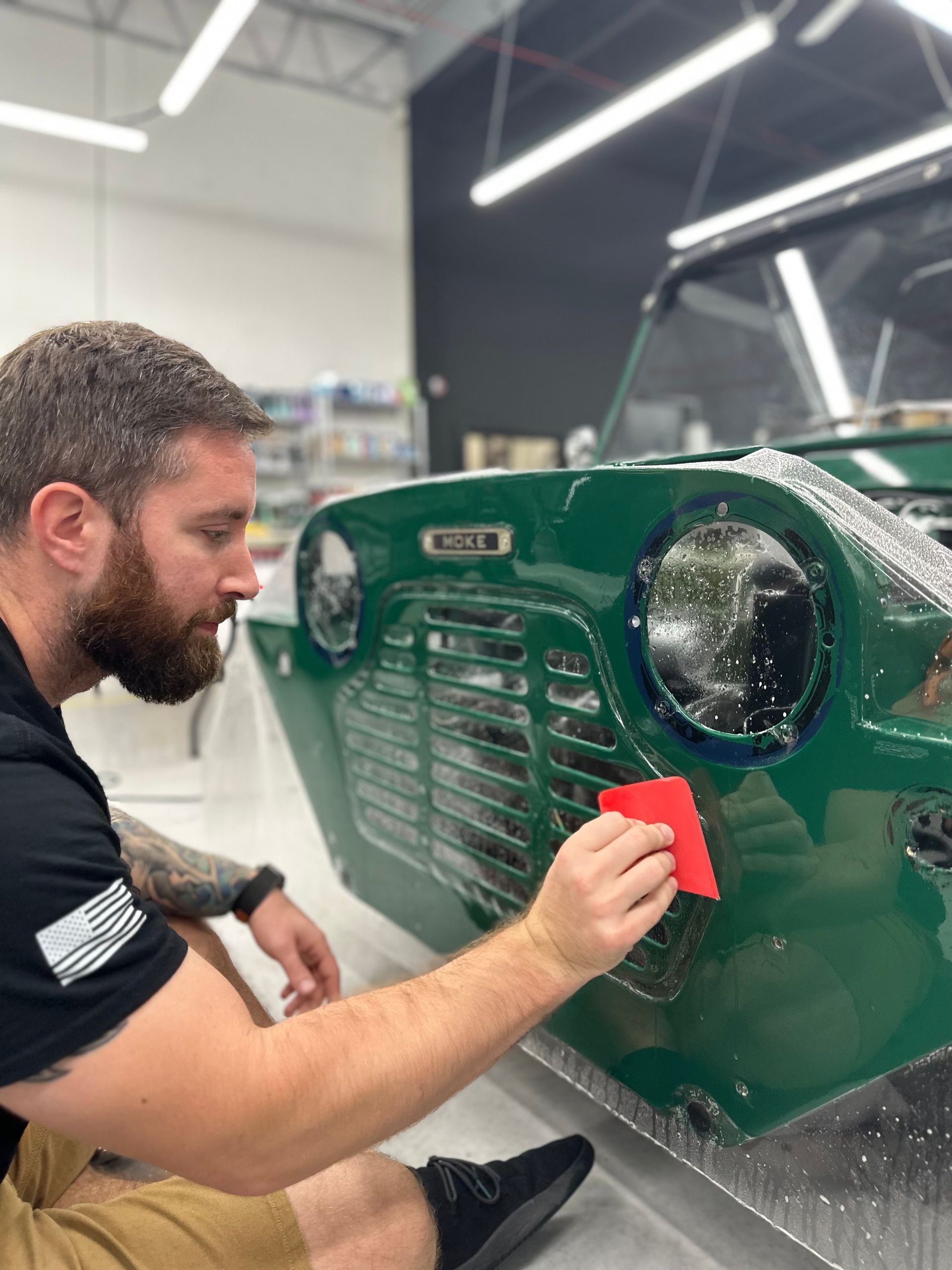
- Squeegee work to push out air pockets and water from the center
- Edge tucking into seams and panel gaps for a clean wrap line
- Final inspection under angled lighting for high spots or imperfections
Skipping any of these on a big panel shows up in the final look. Dust trapped under a hood, an edge lifting at the cowl, a high spot along a roof line: these are signs of a rushed install or one done without the right tools.
Choosing the Right Coverage Approach
Not every vehicle needs every panel covered. Coverage choices come down to driving habits, where the car is parked, and what kind of damage worries you most. Common decision points:
- Daily highway commuting suggests hood and front fender priority
- Frequent parking in lots suggests door and quarter-panel coverage
- Outdoor parking suggests roof and trunk lid coverage
- Off-road or worksite use suggests lower-body and rocker focus
- Long-term ownership suggests broader coverage for resale value
A good shop walks through these factors with you before quoting, because over-covering or under-covering both come with costs. The right approach matches your driving and your goals.
Book Your Elmwood Park PPF Consultation
If you've been thinking about PPF and want to know what coverage makes sense, talking to a shop in person beats guesswork. Automotive Specialty Wraps is an IDA-certified team that has been wrapping cars for over a decade, with PPF installs done in the Elmwood Park area using premium films built for large-panel work. We're enthusiasts at heart who got into this because cars are what we do. Curious which coverage fits your paint protection film Elmwood Park project? Hit us up, and we'll walk through it.
Frequently Asked Questions
Why is wrapping a hood harder than wrapping a smaller panel?
Hoods are large, slightly curved, and have multiple body lines and edges that need to be wrapped without visible seams. The film has to stretch evenly while keeping its clarity and matching the panel's contours. Smaller panels like mirrors or fender flares offer less area for problems to show up. A skilled installer with pre-cut patterns handles hoods routinely, but it's where rushed work shows up first.
Can I have PPF applied to just one large panel?
Yes, single-panel installs are common. Many drivers start with just the hood, since it takes the most rock-chip damage on the road. Other popular single-panel choices include the front bumper, the roof for outdoor-parked vehicles, or the rear quarter sections near the wheels. Working one panel at a time lets you test how you like the coverage before adding more.
Does film thickness make a difference on large panels?
Yes. Quality films come in different thicknesses based on use case. Hood and bumper film tend to be thicker because of impact frequency. Door and side film can be slightly thinner since direct impact is less common. Roof film often matches the side panels. Talking with your installer about thickness per panel gives a better setup than one film grade everywhere.
How does coverage on a large panel affect long-term appearance?
Done well, a large-panel install disappears into the paint. The film follows the contours, edges tuck into seams, and there's no visible line between covered and uncovered areas. Done poorly, you see the edge from a distance, the surface looks different in certain light, or the film lifts at the corners within months. Install quality drives the long-term appearance more than the film brand.
What's the time difference between single and multi-panel installs?
A single panel typically takes a few hours from prep to inspection. Adding more panels stretches the timeline since each one needs its own prep, application, and curing window. A full vehicle install can run several days for a thorough job. Most shops give you an estimate after seeing your vehicle, since condition and complexity factor in.