
The Importance of Controlled Environments in Ceramic Coating Application
You drop your car off, pick it up after the work is done, and the finish looks unreal. But what about that one spot where you can see a tiny piece of lint trapped under the coating? Or the streak across the hood that wasn't there before? That stuff is hardly ever the product's fault. It's almost always the room in which the work was done. The air, the temperature, the dust, and even the lighting overhead all play a role in how that coating cures and locks onto your paint.
For drivers in Glen Rock thinking about a proper ceramic coating Glen Rock install, knowing what a real workspace should look like is the difference between okay results and ones that actually hold up over time.
Why Workspace Conditions Make or Break the Final Finish
Ceramic coatings bond chemically with your paint. That sounds technical, but the takeaway is simple. Anything in the air, on the surface, or floating around the bay during application can interrupt that bond. And once the coating starts curing, you can't go back and fix it without redoing the work. That's a big reason why DIY kits often look great for a few weeks before something starts going sideways.
A well-managed shop controls for a few things at once:
- Filtered, settled air so dust and pollen don't land in the wet coating
- Stable temperature ranges that fall within the product's specs
- Humidity levels that allow proper flash and cure times
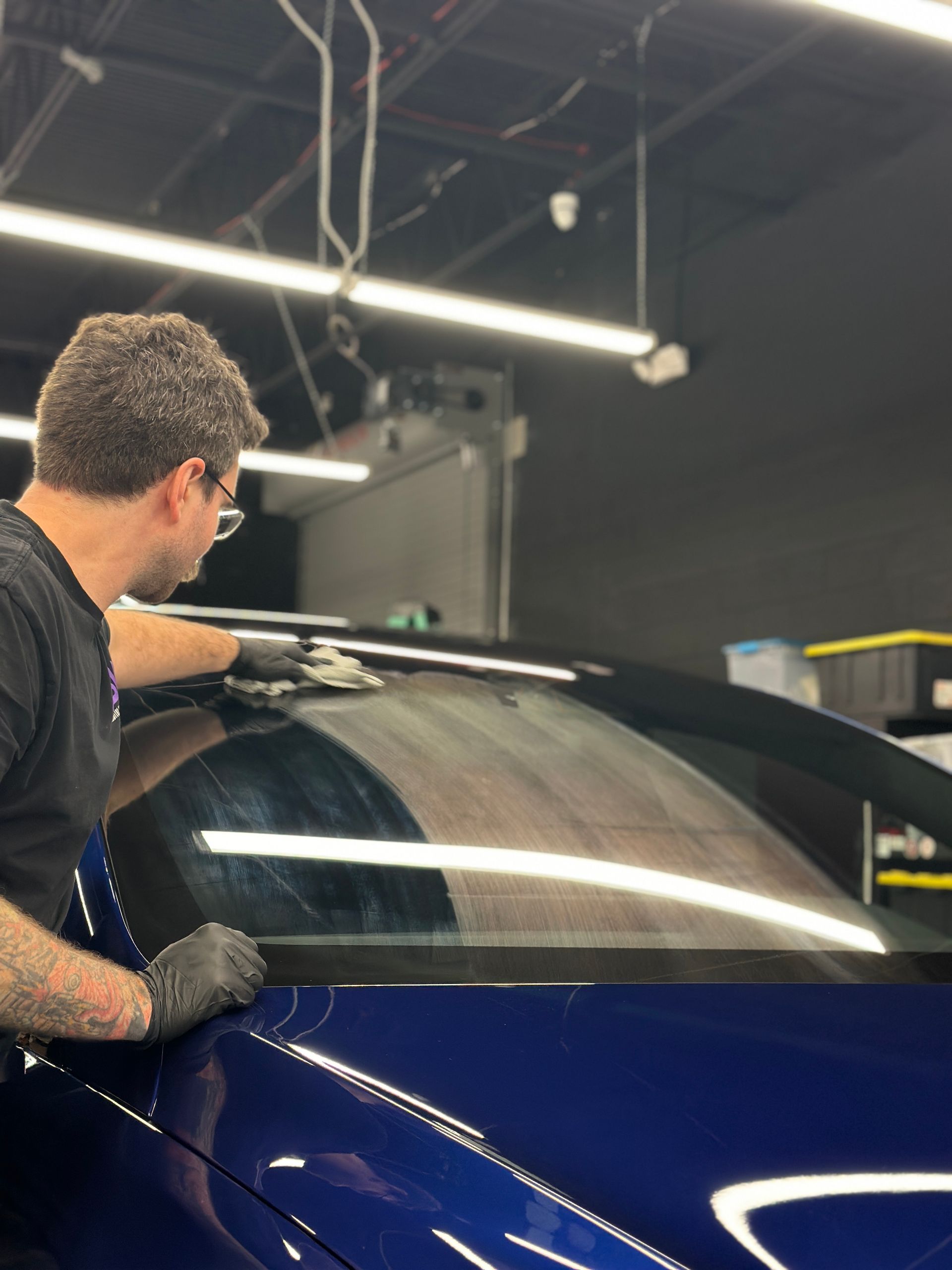
- Bright, color-accurate lighting so the installer can spot every imperfection
- A clean floor and walls, so foot traffic doesn't kick up debris
Miss any one of those, and you risk fish-eyes, high spots, hazing, or just a coating that won't hold up the way it should. There's a reason real shops spend serious money on their work bays.
Why Temperature and Humidity Matter for Ceramic Coating Glen Rock Installs
Glen Rock weather swings hard between seasons. Summer humidity can soak the air, while winter brings cold, dry conditions that mess with how products flow and settle. Ceramic coating Glen Rock installations need a steady middle ground, which is why pro shops manage the temperature and humidity in their bays year-round.
Here's what those numbers usually look like in a proper facility:
- Working temperature is held somewhere between the low 60s and mid 70s Fahrenheit
- Relative humidity is sitting in a moderate range, not too dry, not too damp
- No direct sunlight hits the panel while the coating flashes
- Consistent airflow without strong gusts blowing across wet surfaces
If you've ever tried to apply wax on a hot day, you know how the product flashes way too fast and leaves streaks. Ceramic is worse. The chemistry is more sensitive, and the window to smooth it out is shorter. A temperature-managed bay buys the installer the time to actually do the job right without rushing.
Dust, Air Quality, and Lighting Matter More Than You Think
Dust is the single biggest threat once the prep is done and the coating is going on. A single piece of debris in the wrong spot can leave a permanent bump under the surface. Pro shops fight this with sealed bays, sticky mats at entry points, and filtered ventilation that pulls particles out of the air instead of letting them settle on the car.
Lighting plays a different but equally important role. Daylight bulbs and angled inspection lamps let the installer catch the following:
- High spots where the product went on too thick
- Streaks that need to be smoothed before they cure
- Hazing or smearing with darker paint
- Any contamination that snuck through the prep stage
Without that kind of lighting, even a skilled installer is working half-blind. Some defects only show up under specific angles, and a couple of standard garage bulbs won't reveal them.
What to Expect From a Pro Installation in Glen Rock
When you bring your car into a properly set-up shop, the process looks pretty different from a driveway job. Here's how a real controlled install usually goes:
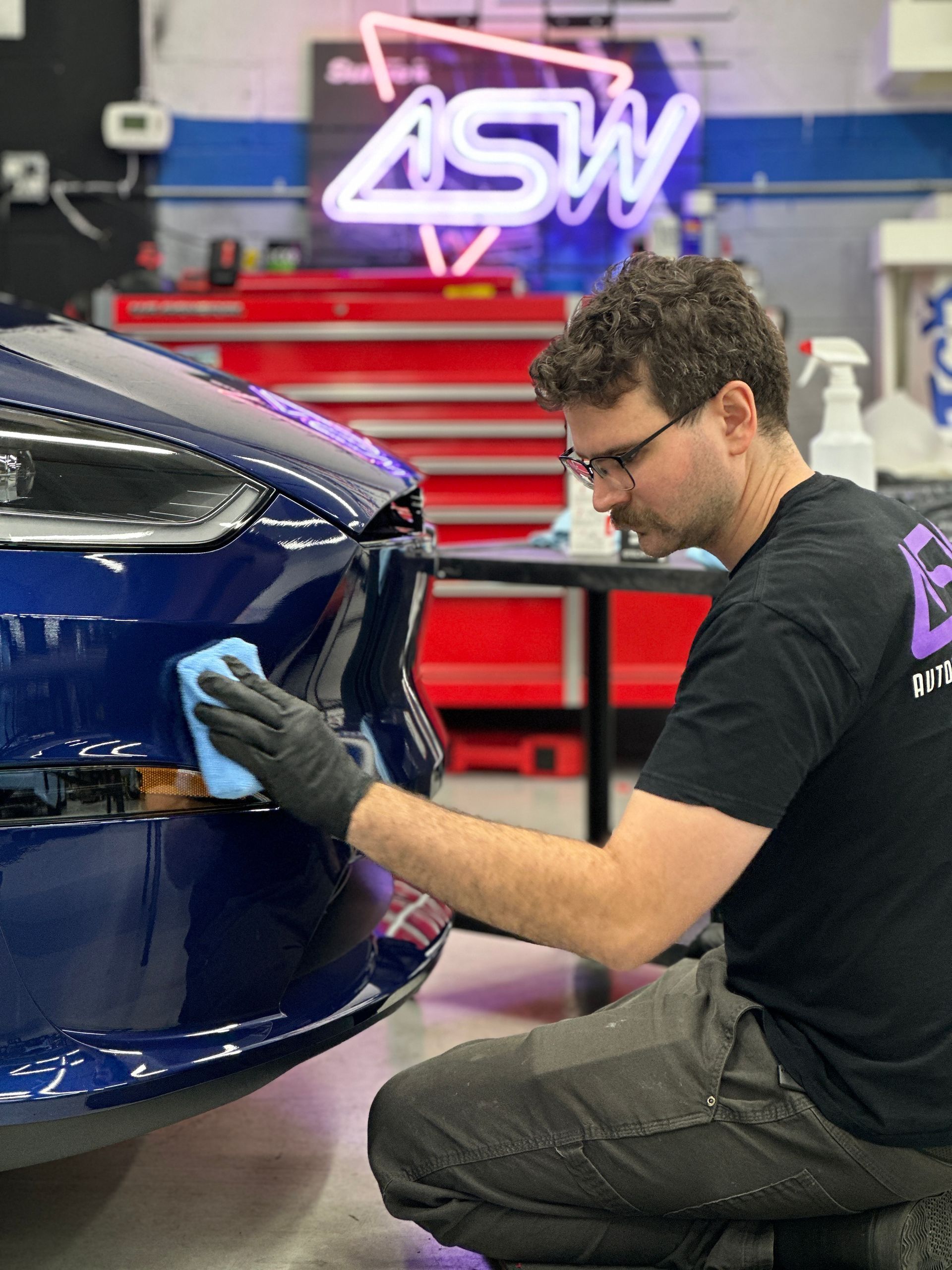
- The car gets parked in a temperature-managed bay, away from any traffic or dust sources
- A full prep cycle happens, including decontamination and paint correction if needed
- The installer checks temperature and humidity readings before opening the coating bottle
- Sections are coated one panel at a time, with smoothing done under inspection lighting
- The vehicle stays in the controlled space for the full flash and initial cure window
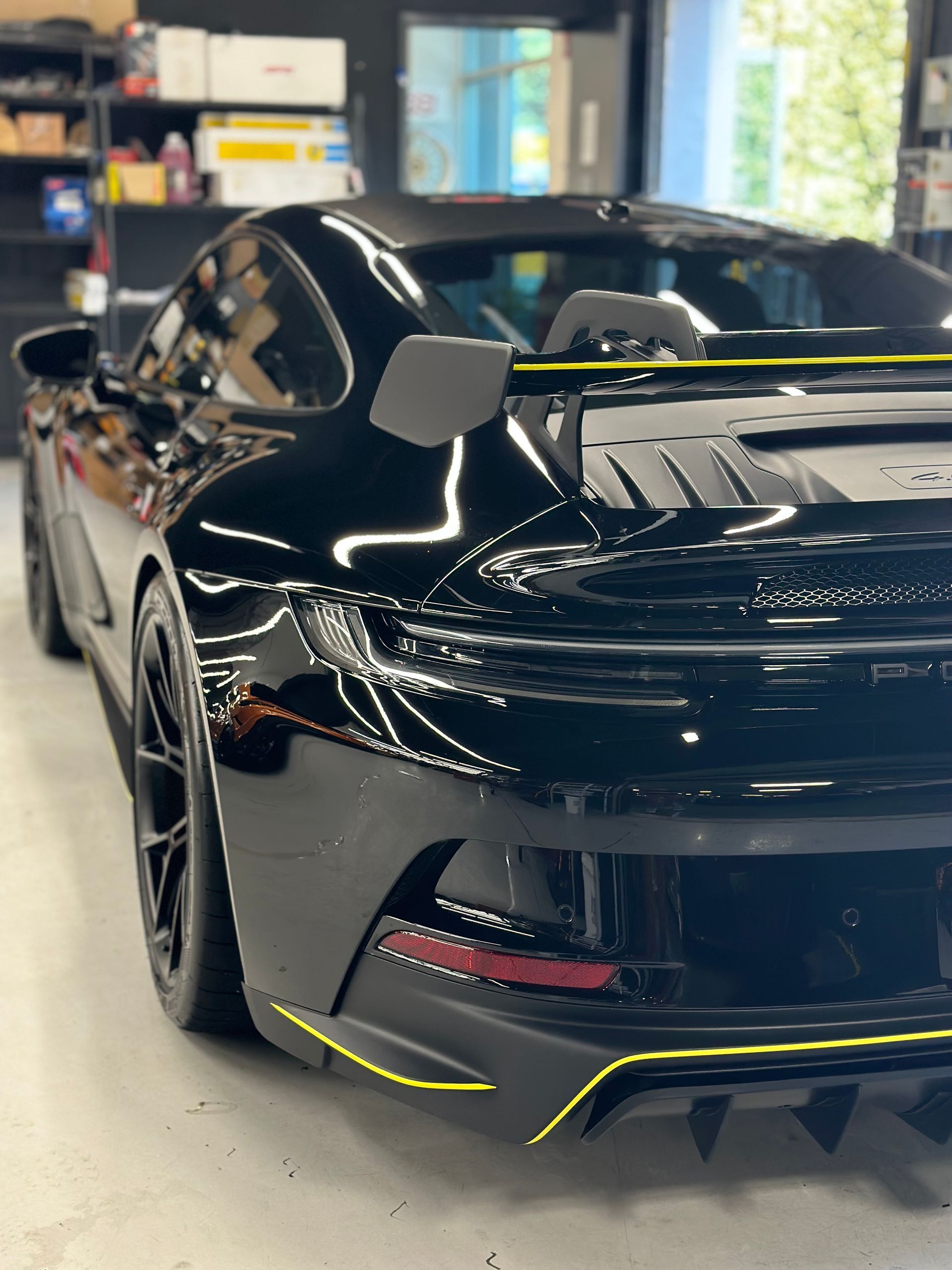
- Final inspection happens under multiple light sources to confirm an even, defect-free finish
That kind of process is why a job done in a real facility looks different a year later than one done in a backyard. The conditions during those first hours set the tone for everything that follows. At Automotive Specialty Wraps, the IDA-certified team installs every coating with Gtechniq formulas and the kind of attention to detail proper conditions call for.
Book Your Glen Rock Ceramic Coating Appointment Today
If you've been thinking about getting your vehicle coated, the room the work happens in matters just as much as the product being applied. Automotive Specialty Wraps is the IDA-certified team based right outside Glen Rock, handling every ceramic coating Glen Rock install with the care a quality job demands. We're car people first, and we work on every car like it's parked in our own garage. Want to talk through your vehicle and see what package fits best? Reach out to our team, and we'll walk you through every step before you commit to anything.
Frequently Asked Questions
What temperature is ideal for ceramic coating application?
Most ceramic coatings work best when the bay temperature sits somewhere between the low 60s and mid 70s Fahrenheit. Going too cold makes the product thick and hard to spread evenly, while too much heat causes it to flash before the installer can smooth it out. A temperature-controlled shop holds that range steady through the whole install, which is one of the reasons pro work tends to look more uniform and hold up longer than something applied in an uncontrolled garage or driveway with shifting conditions all day.
Does humidity really affect how ceramic coating cures?
Yes, more than most folks realize. High humidity can slow the chemical reaction, leaving the coating soft for longer and more vulnerable to water spots during the early cure. Very dry air can flash the product too fast and lock in streaks. Pro shops monitor humidity through the day and adjust ventilation or dehumidifiers to keep things in range, which gives the coating the right window to bond properly with your paint and reach its full hardness over time.
Can ceramic coating be applied outdoors or in an open garage?
Technically, yes, but the results usually show the difference. Outdoor air carries pollen, dust, exhaust, and bugs, all of which can land on wet coating before it sets. Open garages also see big temperature swings and direct sunlight that mess with cure times. A sealed, temperature-managed bay removes those variables, which is why most reputable installers won't apply ceramic outside their controlled space if they want the work to hold up the way it should.
How long does the coating need to stay in a controlled environment?
The initial flash takes just minutes, but the early cure period typically runs around a day or so, depending on the product. During that window, the coating is still soft and sensitive to dust, water, and temperature shifts. Keeping the vehicle in a clean, stable indoor space during that period protects the finish before it fully hardens. After the initial cure, most coatings keep developing their full hardness for some time after, so aftercare guidance from the installer matters.
Why pick a pro facility over a mobile or driveway installation?
A controlled environment isn't just a nice-to-have for ceramic work; it's the foundation of a quality install. Mobile setups and home garages can't filter air the way a proper shop can, and they're at the mercy of whatever the weather is doing that day. Pro facilities run sealed bays, color-accurate lights, and stable temperature ranges so the coating cures the way it's supposed to. That's the part you can't see, but you'll feel it in how the finish wears over time.