Partial vs. Full Vehicle PPF Coverage: Which Option Fits Your Needs?
You just picked up the car. The paint is perfect. Now you're standing in the shop debating whether to wrap the whole thing in PPF or just hit the front end. It's a real call to make, and most people don't have a clear sense of what each option actually covers. Some panels see way more abuse than others on a daily basis, and some drivers rack up highway miles while others stick to short trips around town. Both factors should shape what kind of coverage actually makes sense for your situation.
For drivers looking at paint protection film Glen Rock options, knowing the difference between partial and full coverage helps you put your money where it'll matter most for your daily use.
What Partial PPF Coverage Looks Like
Partial coverage focuses on the panels that take the most hits during normal driving. That usually means the front of the car, because that's where rocks, salt, bugs, and road debris kick up first. A basic partial package covers the essentials and stops there, while a step-up partial adds a few more high-impact zones.
Common areas in a partial coverage setup:
- Full hood and front bumper
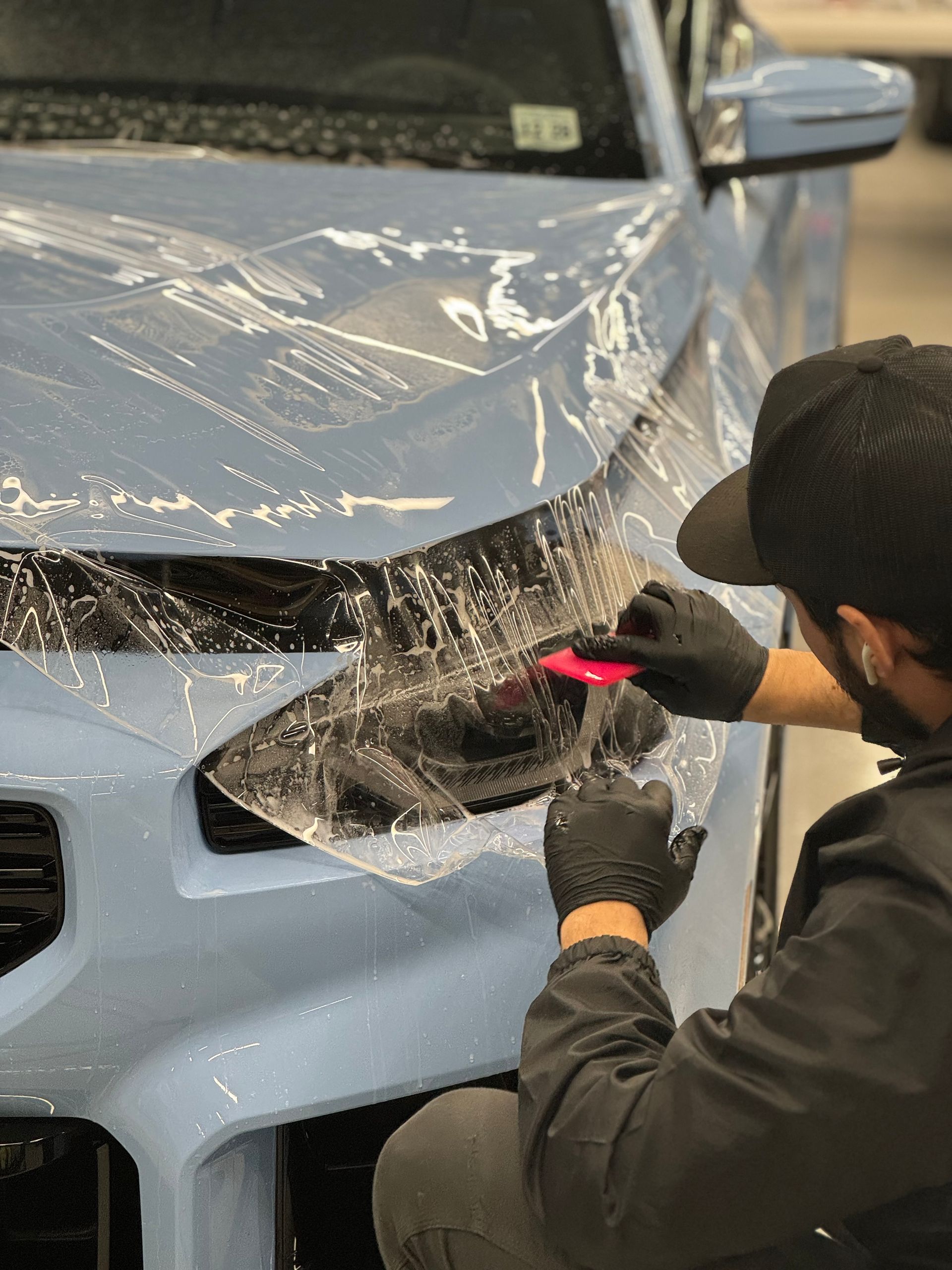
- Headlights and fog lights
- Front fenders
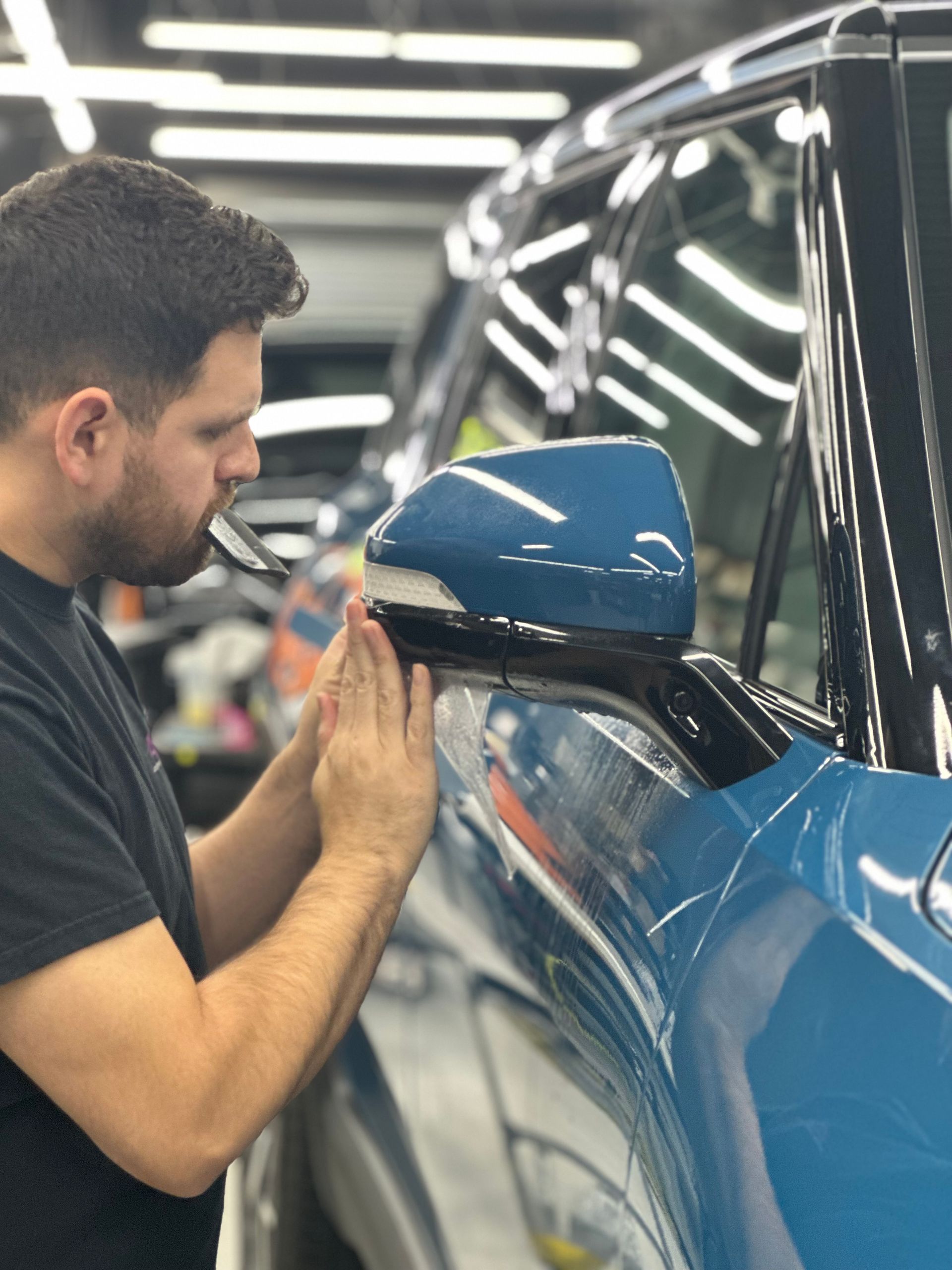
- Mirrors and A-pillars
- Rocker panels on some packages
This kind of coverage works for drivers who do mostly local driving, take care of their cars in the off hours, and want strong protection on the parts that get hit first. You still see the original paint on the rear panels, but the spots that take the worst beating are covered.
What Full Vehicle PPF Coverage Includes
Full vehicle coverage wraps every painted panel on the outside of the car. Front, rear, sides, roof, doors, fenders, trunk, the works. The whole exterior becomes one continuous shield against road damage, weather, and surface marring. For owners who plan to keep a car long-term or drive a lot of miles, full coverage offers the highest peace of mind.
A full coverage install usually includes the following:
- Front and rear bumpers
- Full hood and all fenders
- All doors, plus door edge guards
- Rocker panels and roof
- Trunk lid and tail lights
- Mirrors, headlights, and fog lights
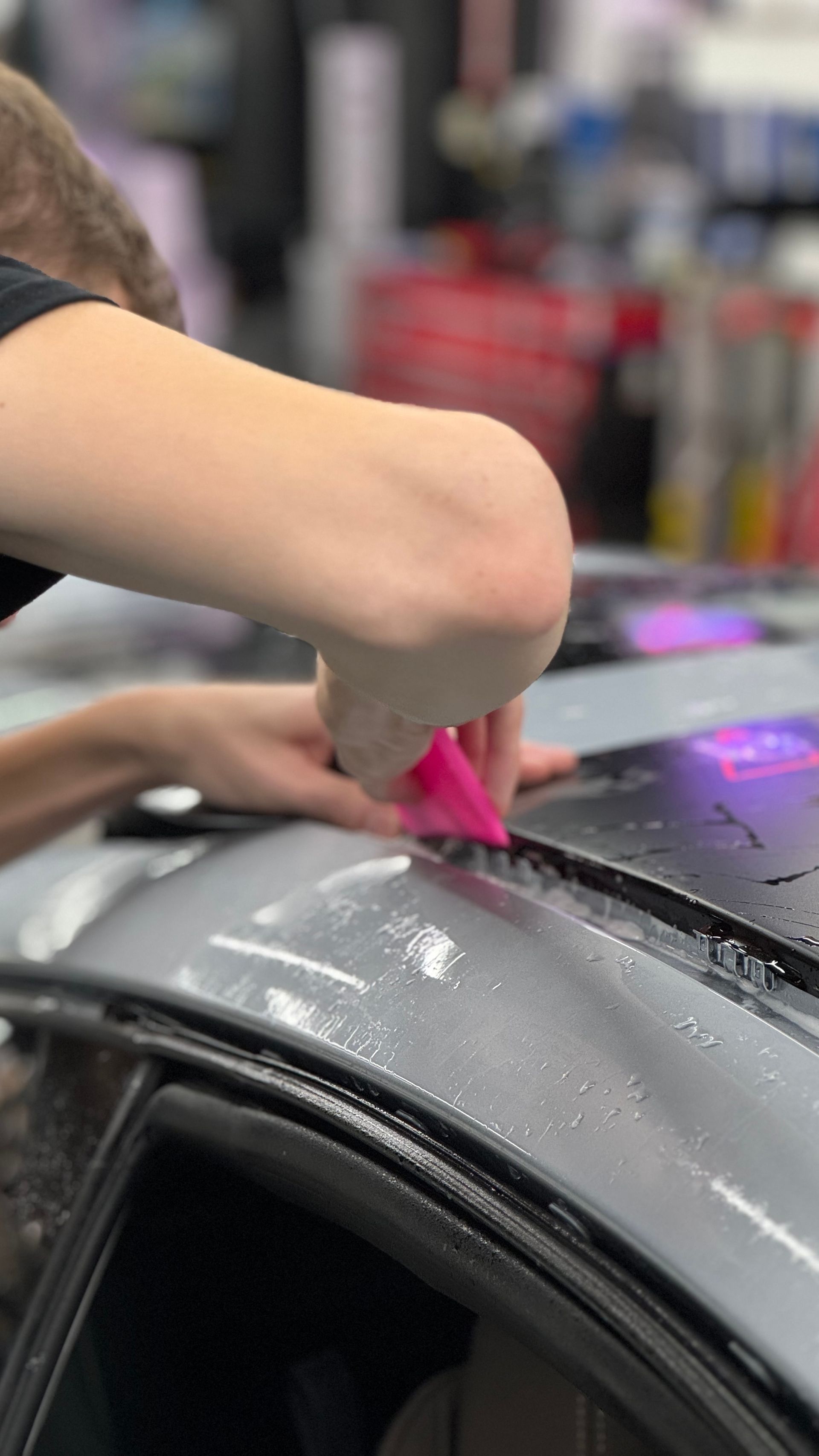
Because every panel is wrapped, the installation takes longer and uses more material. But the trade-off is a vehicle that stays looking new through years of use, including the rear panels that often pick up rock chips from the tires.
Paint Protection Film Glen Rock: Matching Coverage to How You Drive
Your driving habits matter more than any sales pitch. If you spend most of your time on highways or do regular long-distance trips, full coverage starts to make a lot of sense. Paint protection film Glen Rock drivers who park outside a lot, commute on rough roads, or own a vehicle they plan to keep for years often lean toward fuller packages because rear-panel damage is real and adds up over time.
On the other hand, garage-kept vehicles that mostly see weekend drives or short commutes might do just fine with partial coverage. Here are some questions worth asking yourself before deciding:
- How often is the car parked outside versus covered?
- How many highway miles do you put on it per month?
- Do you live in an area with road salt or construction zones?
- Are you planning to keep the car long-term or sell it within a few years?
- How important is rear-panel appearance consistency to you?
Honest answers to these tend to point pretty clearly toward one option or the other.
Comparing Coverage Tiers Side by Side
Most shops offer a few standard packages, with room to mix and match based on what you want. The general progression looks something like this:
- Essentials partial: Hood, front bumper, headlights. Best for budget-conscious drivers wanting basic front-end protection.
- Full front end: Adds fenders, mirrors, A-pillars, and fog lights. Good for drivers who want everything in front covered without going further back.
- Front plus impact zones: Adds rocker panels and rear-fender impact areas. Good for drivers worried about side and rear damage from road debris kicked up by tires.
- Full vehicle: Every painted exterior panel. Best for long-term owners and high-mileage drivers who want total coverage.
The right tier depends on how you use the car and how much of the exterior you want guarded against everyday wear.
How to Choose the Right Package for Your Vehicle
Working with a pro installer makes this decision much easier. A good shop will walk through your vehicle, ask about your driving habits, and suggest coverage based on where damage actually happens on your specific make and model. Some cars have wide rocker panels that get hit a lot. Others have rear fenders that catch more debris than usual.
Look for an installer who:
- Uses premium self-healing films from trusted brands
- Walks you through each package without pressure
- Has IDA certification or comparable training
- Can show real examples of their installation work
- Offers customized options outside the standard packages
A consultation upfront beats a regret later, and it costs nothing to ask the right questions.
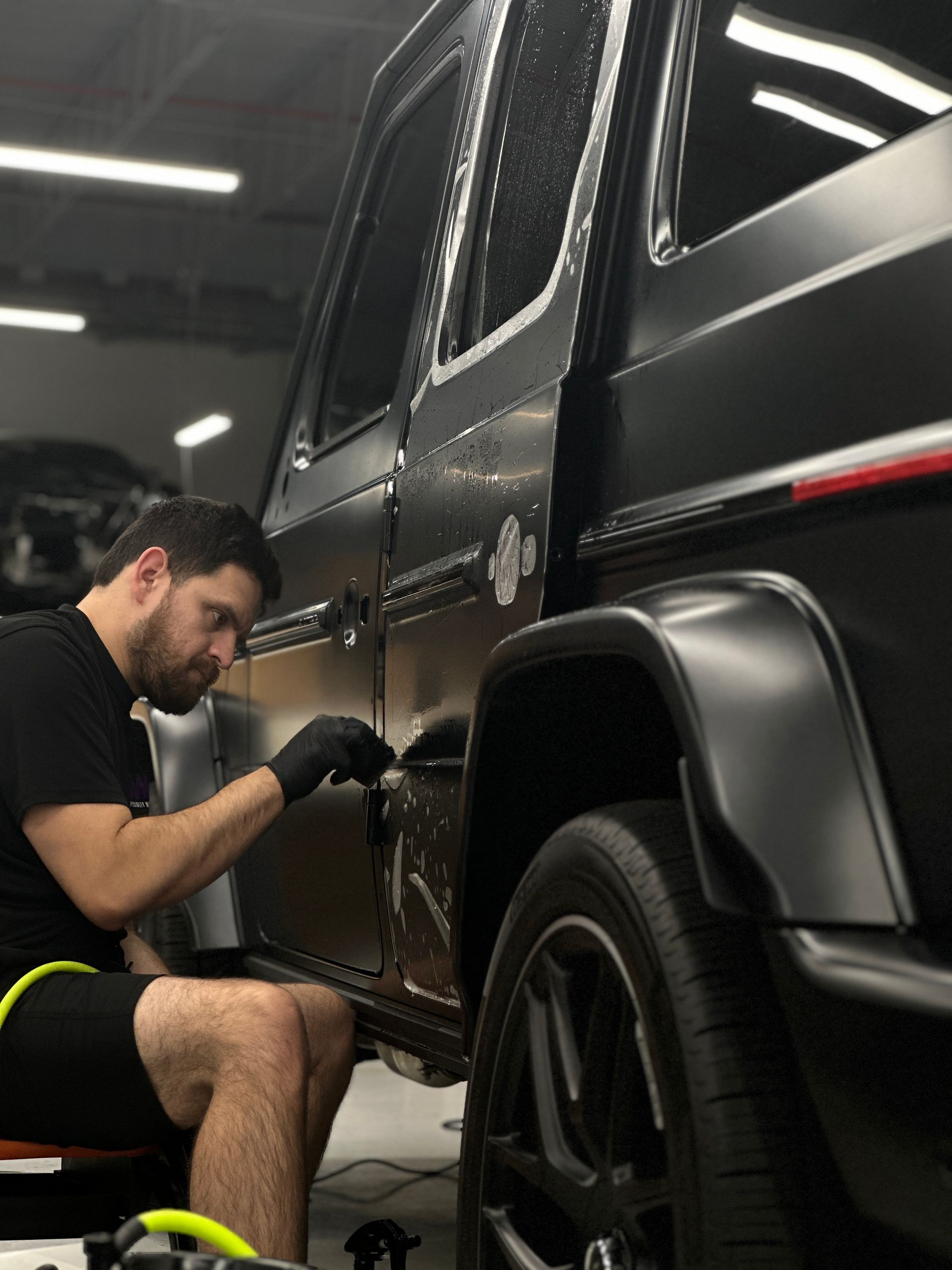
Book Your Glen Rock PPF Consultation Today
Picking the right coverage comes down to your car, your driving, and your goals. Automotive Specialty Wraps is the IDA-certified team based just outside Glen Rock, installing SunTek films across a range of partial and full coverage packages. We're car people, so we'll walk through your vehicle and driving habits up front. Want to see what we offer or talk through which option might fit your paint protection film Glen Rock? Reach out to our team, and we'll lay out the choices so you can pick with confidence.
Frequently Asked Questions
Is partial PPF coverage enough for most drivers?
For drivers who mostly stay close to home, park in a garage, and put limited highway miles on their vehicle, partial coverage often handles the bulk of real-world risk. Most road damage happens to the front of the car first, so covering the hood, bumper, headlights, and fenders takes care of the spots that get hit hardest. That said, if you do regular highway runs, drive in rough weather, or care about consistent appearance across every panel, partial coverage may leave gaps you'll notice over time.
Will partial PPF look different from the rest of the car?
Quality films installed correctly are practically invisible against your factory paint. There can be a thin edge line where the film ends, but a good installer wraps and tucks edges so they don't catch your eye under normal lighting. Some owners specifically ask for tucked edges so the coverage line blends in. On glossy paint with darker colors, the line is harder to spot than people expect. Asking your installer to show photos of finished work can help set expectations before you book.
Can I upgrade from partial to full coverage later?
Yes, you can usually add more PPF down the road if your needs change. Many owners start with a front-end package and later add rocker panels, rear fenders, or door edges on a second visit. The film bonds to paint, not to other film, so adding sections is straightforward. The one thing to keep in mind is that the paint condition has to be solid in any new area you're covering. Letting the installer inspect those panels first helps avoid problems.
Does PPF work better with ceramic coating on top?
A lot of owners pair the two. PPF handles physical impact like rock chips and road debris, while a ceramic coating on top adds a hydrophobic layer that makes cleaning easier and helps resist water spots. The combination gives you both physical defense and chemical resistance, plus a deeper shine. Most shops offer this as a paired option, and it's worth asking about if you want the most thorough setup possible for your vehicle.
How long does a full vehicle PPF install take?
A full vehicle install is significantly more work than a partial one. Expect several days depending on the make, model, and current paint condition. The installer needs time to prep each panel, wrap the film carefully around curves and edges, and let everything set properly before the car goes back on the road. Partial packages usually wrap up faster since fewer panels are involved, but in both cases, rushing the work tends to show up later in the finish.