Ceramic Coating Mistakes and How Pros Avoid Them: Top Tips for Success
Ceramic coatings promise a sleek, shiny look and long-lasting protection for your car, but many people stumble during the process without realizing it. It's not just about slapping on a layer and calling it done; there are key steps and common slip-ups that can make or break the result. Whether you're thinking of doing it yourself or hiring an expert, understanding these points upfront will save frustration and keep your paint looking great for years. Common ceramic coating mistakes include choosing low-quality coatings with poor prep work, skipping paint correction, which seals imperfections, washing the car too soon before full curing, using harsh cleaners or automatic brushes that damage the coating, and neglecting ongoing maintenance. Professionals avoid these pitfalls by selecting high-quality coatings with proper prep, performing thorough multi-stage paint correction, allowing a full 5-7 day curing period before washing, using pH-neutral soaps with gentle hand washing techniques, and maintaining the coating regularly with ceramic toppers and annual inspections.
Common Ceramic Coating Mistakes to Avoid
One of the most overlooked but crucial steps before applying ceramic coating is proper paint correction. Many enthusiasts, eager to protect their vehicle, skip this stage altogether, thinking the coating alone will fix imperfections. Unfortunately, that's not the case. When you apply a ceramic coating directly over compromised paint, you are essentially locking in those flaws beneath a shiny shield. For darker or older vehicles with more surface wear, multiple correction stages might be necessary to truly refine and prepare the paint surface for optimal bonding.
Another common error is impatience regarding the curing process. Many car owners get excited after applying ceramic coating and rush to wash their vehicle too soon afterward. Washing within that critical 5-7 day curing period can seriously compromise the protective layer. Coatings need time to bond and harden fully. Early washing or exposure to water disrupts this delicate curing phase, weakening the coating's hydrophobic properties and shortening its lifespan. Using harsh cleaners or automatic car washes with stiff brushes is an easy way to ruin your ceramic coating prematurely. Many conventional soaps are alkaline or acidic and strip away the protective layers gradually. Instead, opt exclusively for pH-neutral soaps combined with soft microfiber wash mitts designed specifically for coated paintwork. Over time, neglecting safe washing methods leads to loss of gloss, reduced water beading effects, and vulnerability to environmental contaminants.
Issues in Surface Preparation
Proper surface preparation is the foundation for any successful ceramic coating application. The process begins with a thorough wash to remove dirt and grime. Following the wash, a clay bar treatment is indispensable. Think of this as a gentle exfoliation for your paint, removing microscopic impurities embedded too deeply for regular washing. After these physical cleaning steps, there's another critical phase: wiping down with an isopropyl alcohol solution. This final cleansing removes any residual oils, polishing agents, or waxes left from previous detailing. Because ceramic coatings bond at a molecular level, any residue creates barriers that prevent perfect adhesion. Start by washing thoroughly with pH-neutral soap and the two-bucket method. Then claying restores smoothness by removing bonded contaminants. Only once dry do you wipe down with IPA. Wearing gloves during prep and application reduces contamination risk dramatically. Avoid touching cleaned panels unnecessarily post-prep; each touch risks new oily deposits.
Errors During Application
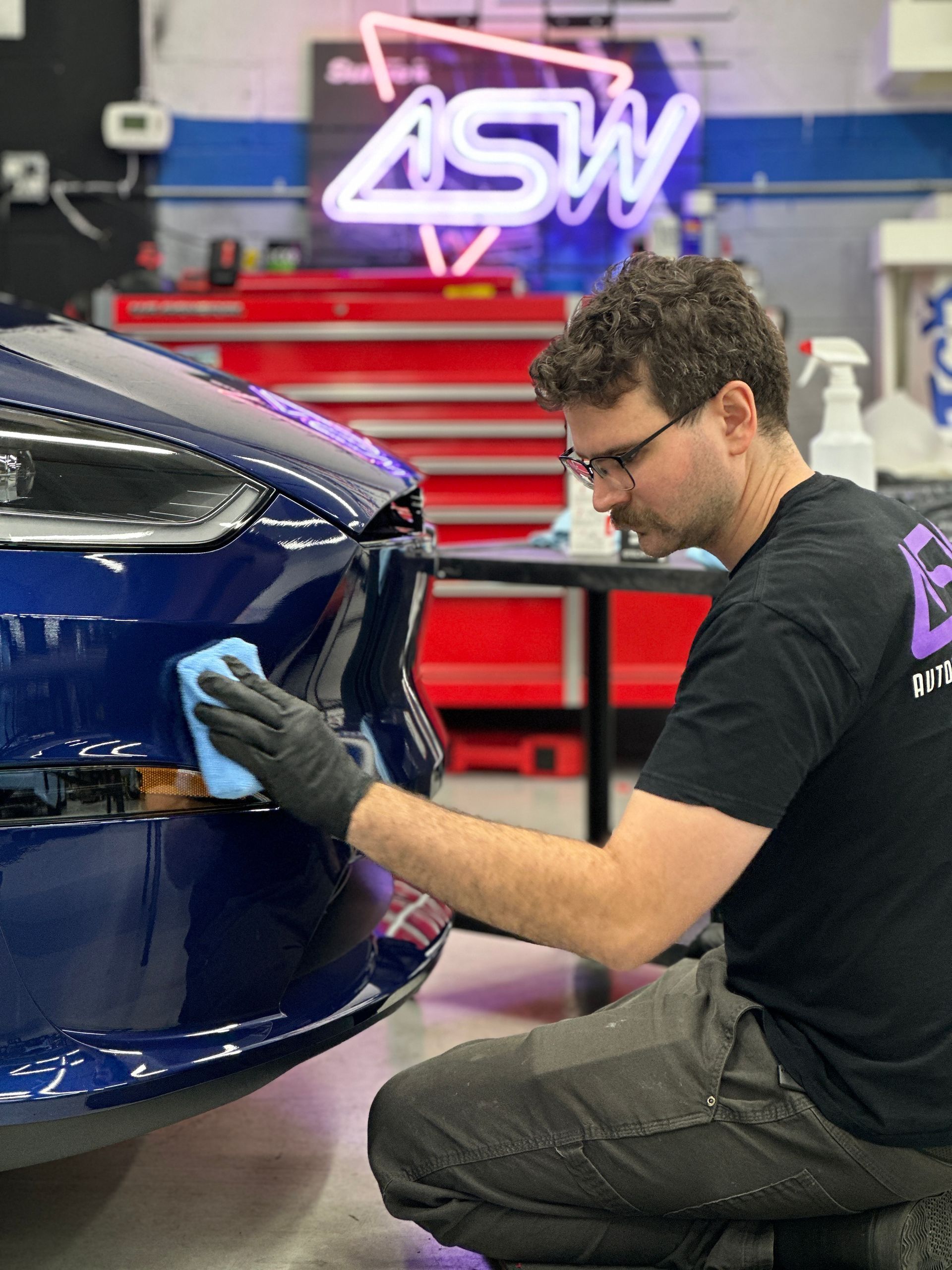
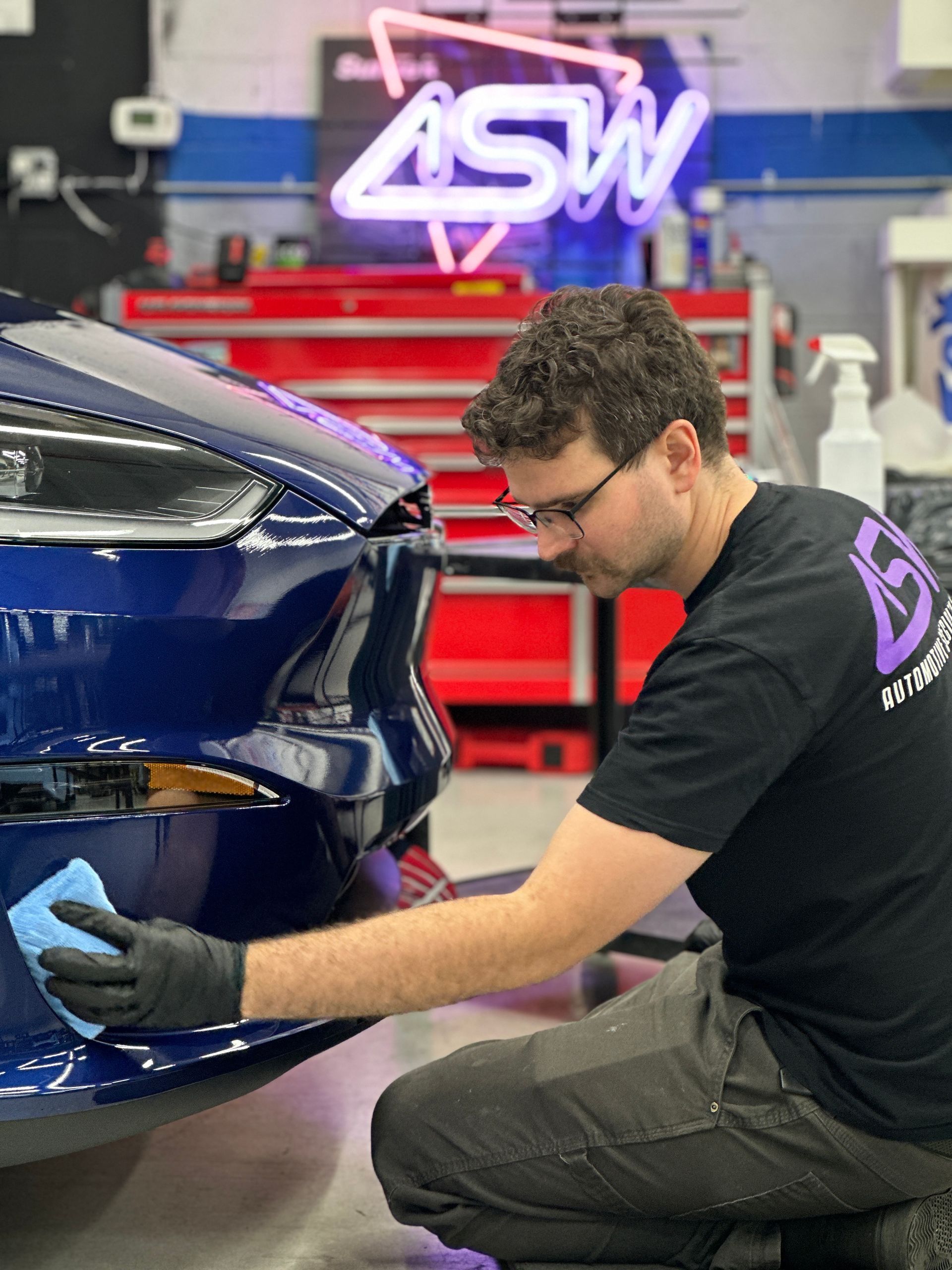
One of the biggest pitfalls in ceramic coating application is inconsistent coverage. When the coating is applied unevenly, it creates streaks or high spots that are not only unsightly but also result in patchy protection. Professionals advocate for a systematic approach by using a crosshatch pattern, where you apply the product vertically first and then horizontally over the same area. Another crucial factor is the environment in which you apply the coating. Ceramic coatings require a stable environment with moderate temperature and low humidity to cure correctly. Most manufacturers recommend applying coatings in temperatures between 60 and 75 degrees Fahrenheit with humidity below 50 percent.
Misjudging how much product to use is a common error. Applying thick layers does not enhance protection; rather, it complicates buffing and often leaves behind a sticky or hazy finish. A thin, controlled layer allows the coating to properly bond with the paint. Many experienced detailers apply just enough product to cover a small panel before moving to the next section. Additionally, rushing through the application without allowing appropriate curing intervals between layers can drastically reduce the coating's lifespan. Professional-grade coatings typically call for at least one hour of curing between multiple layers, with a total of two to three coats being standard for optimal gloss and protection.
Techniques for a Flawless Finish
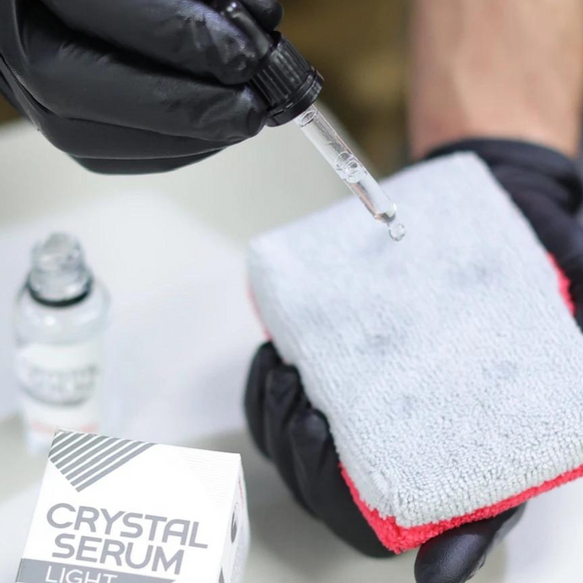
Achieving a perfect ceramic coating finish requires patience and meticulousness. The first critical step involves priming your applicator pad by lightly moistening it with the coating itself before touching your vehicle's surface. This ensures the product spreads more uniformly. Work in manageable, small sections around two by two feet. Applying coating across large expanses at once invites uneven coverage and premature curing. As soon as you finish applying to a section, grab a fresh microfiber cloth and gently but thoroughly buff off any leftover residue. Throughout this process, lighting and temperature matter far more than most realize. Avoid direct sunlight not only for better visibility but also to prevent the coating from drying too fast. Most professional applications use two to three ultra-thin layers, allowing each coat to flash, meaning it becomes tacky but not fully dry, before applying the next, typically about one to two minutes per layer.
Benefits of Professional Application
When it comes to ceramic coating your vehicle, hiring a professional isn't just about convenience; it's an investment in quality and durability. Certified detailers bring years of experience and precision to every step, from surface preparation to final curing. Their skilled hands ensure correct application thickness and coverage, dramatically reducing common issues. One major advantage lies in the specialized tools professionals use, including controlled polishing machines suited for multi-stage paint correction. Professionals also work within climate-controlled environments to optimize curing conditions, preventing problems caused by dust or humidity during application.
Professional ceramic coatings can last between two and five years, significantly longer than typical DIY products, which might only hold up for six to twelve months. Many professional-grade coatings are unavailable to public consumers due to their chemical makeup and required certification for safe handling. Professional application offers peace of mind knowing your vehicle's paint receives expert care backed by warranties ranging from two to five years. While the upfront cost may be higher, the long-term savings from fewer reapplications and reduced maintenance make it worthwhile.
Achieving Long-Lasting Protection
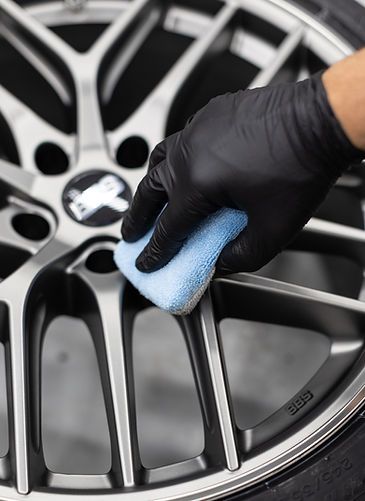
Proper maintenance is crucial to ensuring the durability of a ceramic coating. Regular maintenance washes using pH-neutral shampoos protect the coating's chemistry while effectively removing contaminants. Automated car washes may seem convenient, but they are harsh on coatings, often causing microscopic damage. Instead, hand washing with soft microfiber mitts allows you to control pressure and avoid unnecessary harm. Applying a ceramic topper every four to six months is an excellent strategy to maintain and boost performance. These spray-on layers bond with the original ceramic surface, enhancing hydrophobicity and restoring depth to the shine. Annual inspections by certified professionals complete the maintenance cycle. These checkups involve assessing the current state of the coating, identifying any areas where protection might be weakening, and performing necessary touch-ups. By combining proper washing techniques, periodic topper applications, and professional inspections, you create a comprehensive care routine that maximizes the value and longevity of your ceramic coating.
Glen Rock’s Premier Ceramic Coating Experts
Automotive Specialty Wraps brings
premium ceramic coating services to Glen Rock, NJ, helping your vehicle stay protected and glossy through every season. With meticulous application and top-tier products, we ensure your paint receives durable defense against the elements while maintaining a showroom-caliber appearance. Our team works with precision to deliver results that last.
Contact Automotive Specialty Wraps today to secure your ceramic coating appointment!