Choosing a Certified PPF Installer: Key Qualifications and Tips for Quality Service
Choosing the right installer for paint protection film (PPF) might seem straightforward, but it's where your vehicle's long-term finish really starts or breaks down. The difference between a quick application and a flawless, lasting shield often comes down to the installer's skills and credentials, not just the film brand you pick. Knowing what qualifications to look for before handing over your keys can save you from headaches like bubbling edges or peeling corners later on. This guide breaks down exactly what matters when selecting a certified PPF professional so your car stays protected and looking great.
When choosing a certified PPF installer, prioritize professionals with proven hands-on experience and a robust portfolio showcasing consistent high-quality results across various vehicles. Additionally, ensure they hold certifications from reputable PPF manufacturers, operate in a clean, controlled environment, offer comprehensive warranties on both film and installation, and have strong customer reviews demonstrating attention to detail and flawless finishes.
Why Certified Installers Matter
When it comes to paint protection film, the quality of installation often outweighs the brand of film itself. A certified installer has completed comprehensive training combined with practical exams that ensure mastery over application techniques. This formal education is crucial because PPF installation requires precision. Every curve, edge, and panel must be meticulously covered without trapping dust or creating unsightly bubbles. Without this skill set, even the best film can fail to deliver on its promise. One often overlooked detail is the controlled environment in which certified installers operate. These professionals work in clean, dust-free settings where temperature and humidity are managed for optimal adhesion and curing. This environment reduces common issues like trapped particles or wrinkling, problems that plague many DIY efforts or inexperienced installers. Over time, these flaws become glaring eyesores or worse, points of film failure leading to costly repairs.
Another layer of confidence comes with warranties tied to certified installations. Industry-leading manufacturers offer guarantees that extend beyond product defects to cover the workmanship as well. Warranty claims drop significantly when installations are performed by certified professionals, a compelling factor highlighting their reliability. Furthermore, customer satisfaction surveys continually show higher ratings for certified installers. These professionals do not just apply film; they advise on the best coverage options based on driving habits and environmental exposure, ensuring each customer receives a tailored solution rather than a one-size-fits-all approach.
Key Qualifications to Seek
When searching for a paint protection film installer, one of the first checkpoints should be manufacturer certifications from recognized industry names. These certifications aren't just fancy badges; they represent a rigorous training process where installers gain in-depth knowledge of film types, installation techniques, and problem-solving methods. Certified installers commit to ongoing education to stay up-to-date with evolving technologies, a critical factor given how fast the industry changes.
Beyond certifications, it's essential that installers have real-world hands-on training, not merely theoretical knowledge. The subtle art of working with PPF involves more than peeling and sticking. It requires steady hands, precision cutting, and the ability to handle tricky curves or edges without causing bubbles or wrinkles. Installers with intensive practical training show fewer defects than their uncertified peers. This reduction translates directly into longer-lasting films that perform better under diverse weather conditions, from hot summers to snowy winters.
Experience alone doesn't guarantee quality; it must be paired with proven results seen through an installer's portfolio. A reputable installer will gladly show recent examples of their work on vehicles similar to yours, photos and testimonials that reflect consistent success rather than isolated perfection. It's smart to ask for a variety of completed jobs so you can judge whether the installer handles different shapes, film types, and coverage areas effectively. Pay attention if customers mention attention to detail and responsiveness in reviews. That personal touch often distinguishes great professionals from average ones.
While skills matter most, the workspace environment also plays a pivotal role in ensuring a flawless PPF installation. You want your vehicle treated in a clean, dust-free facility with controlled temperature and humidity. This prevents dust particles from being trapped under the film during application and improves adhesion so the film bonds seamlessly to your car's surface. A tidy workshop isn't just visually reassuring; it exemplifies professionalism and respect for craftsmanship. Finally, consider warranty coverage as part of your decision. The protection offered reveals confidence in both product and workmanship. Reliable installers back their service with multi-year warranties covering film defects as well as installation errors. Look for policies providing at least five years of coverage on both elements. This safety net not only eases your mind but also shows that the installer is confident their work will hold up against everyday hazards like road debris or minor scratches.
Assessing Experience and Skill
Practical experience often makes the real difference between a good paint protection film job and an outstanding one. A certified installer might have all the credentials, but without years of hands-on work, subtle challenges like fitting around complex curves or preventing bubbles can become troublesome. Experienced installers develop an intuitive understanding of how different vehicles' shapes and surfaces behave under the film. When evaluating potential installers, ask straightforward questions about their history with projects like yours. How many vehicles closely matching your make and model have they wrapped? An installer who routinely works on your type of vehicle is better equipped to handle tricky areas without compromising protection or aesthetics. Customer feedback provides an honest measure of skill.
Online reviews from recent clients reveal patterns, whether the installer consistently delivers smooth, bubble-free finishes or if customers report issues. Don't hesitate to request before-and-after photos showing entire installations, not just flawless highlight shots. These portfolios demonstrate real-world outcomes and help you gauge attention to detail. Experience also influences problem-solving ability. Even with advanced training, unexpected obstacles arise. Those with hundreds of completed jobs tend to manage hiccups calmly and efficiently, avoiding costly reworks. Remember that top installers continuously refine their craft, keeping up with evolving materials and techniques.
Checking Installation Techniques
The technique an installer employs fundamentally shapes the quality and durability of your PPF application. One key question to ask is whether they use pre-cut kits or work directly from bulk rolls of film. Pre-cut kits come precisely shaped for specific vehicle models, making them easier and quicker to apply. However, this convenience often comes at the cost of increased seams in visible areas. Bulk rolls, by contrast, require an entirely different level of skill. The installer cuts and shapes the film manually on your vehicle during installation, allowing for far fewer seams and a more cohesive appearance. A technician who masters this technique can follow your car's unique contours perfectly, stretching and tucking the film to create an almost invisible shield. This technique prevents lifting along curves and edges, where wear often begins. When discussing methods with your installer, look for those who emphasize surface preparation as much as application. They should thoroughly clean and decontaminate your vehicle's paint to remove contaminants that could undermine adhesion.
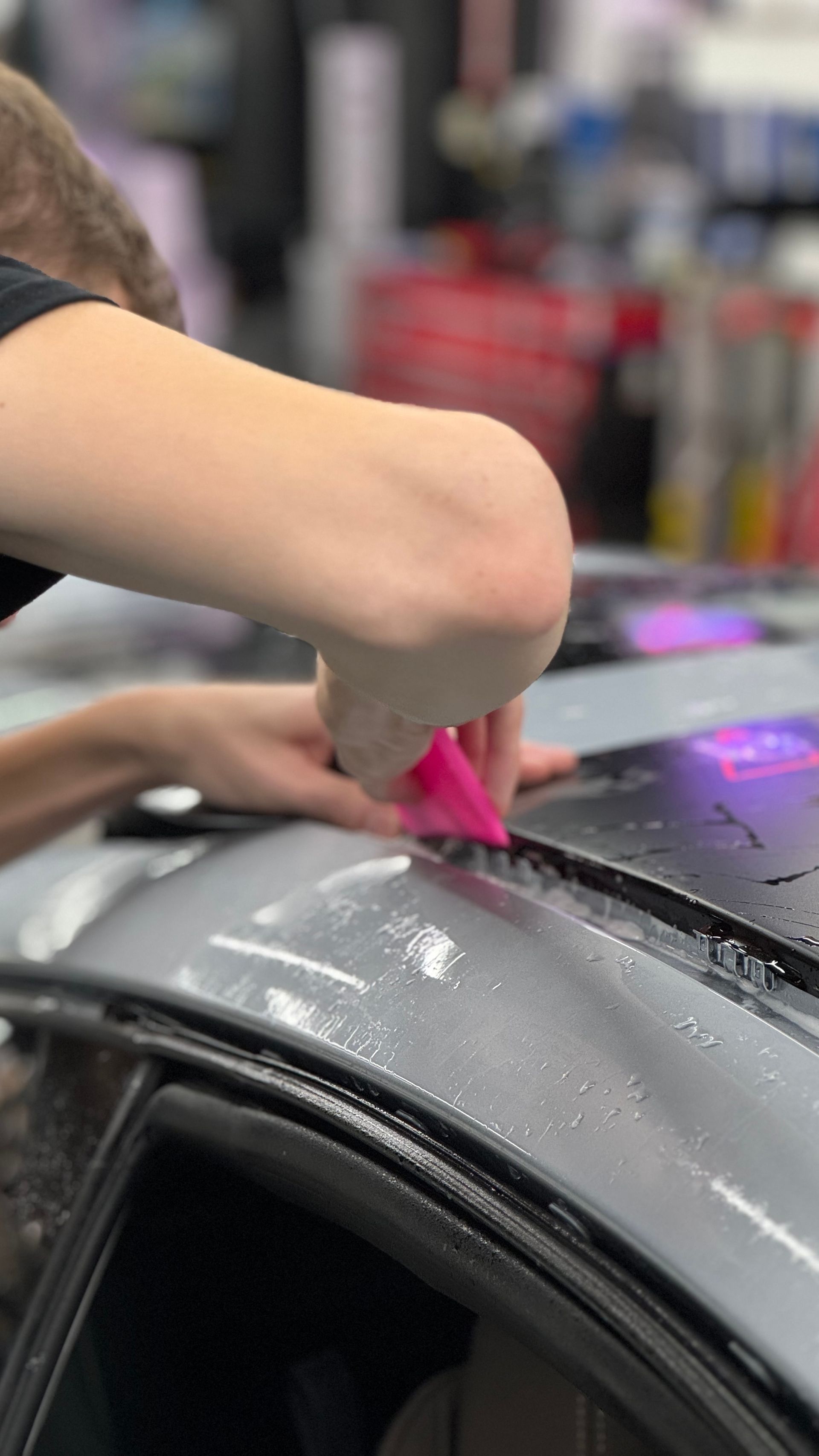
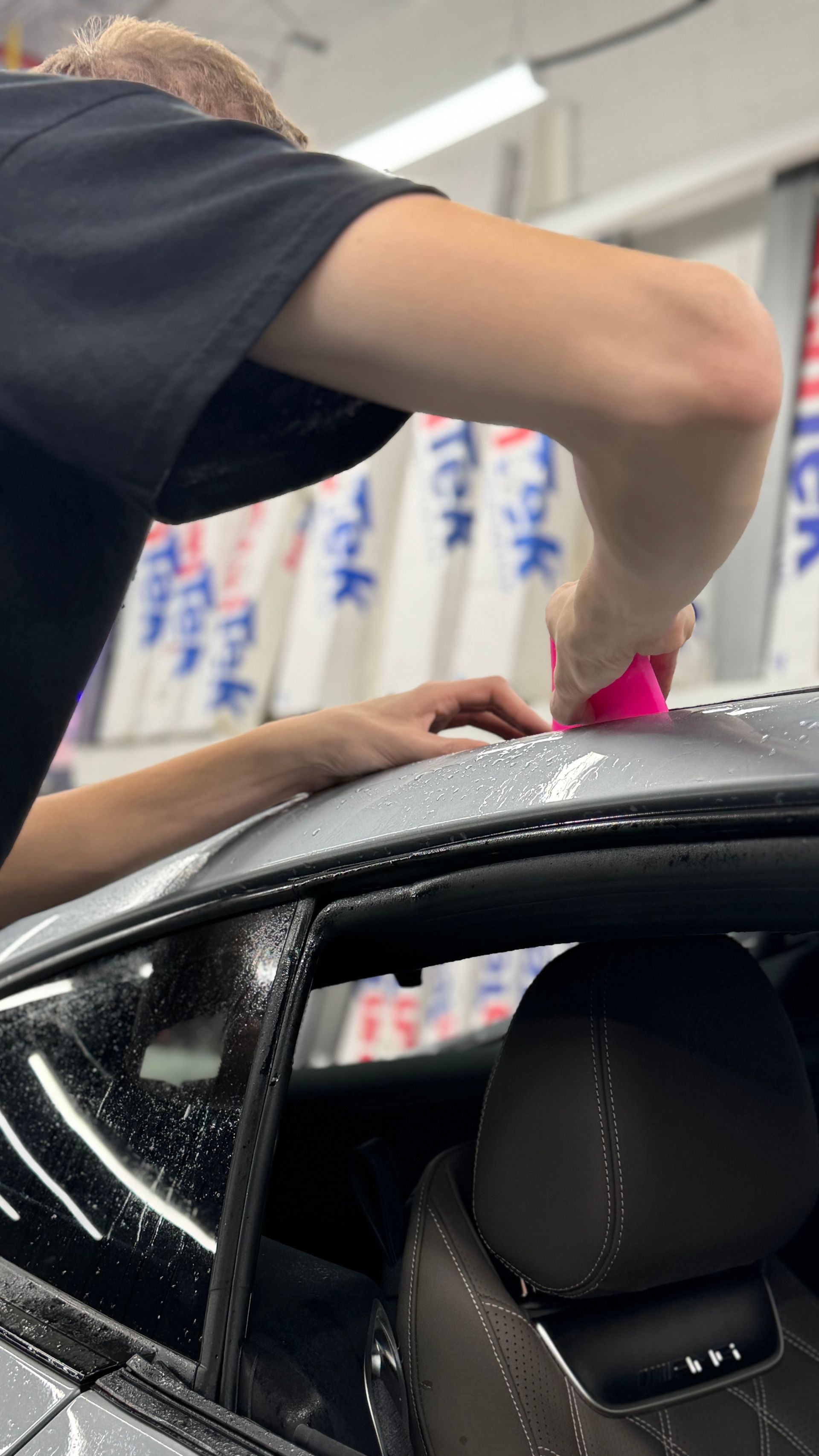
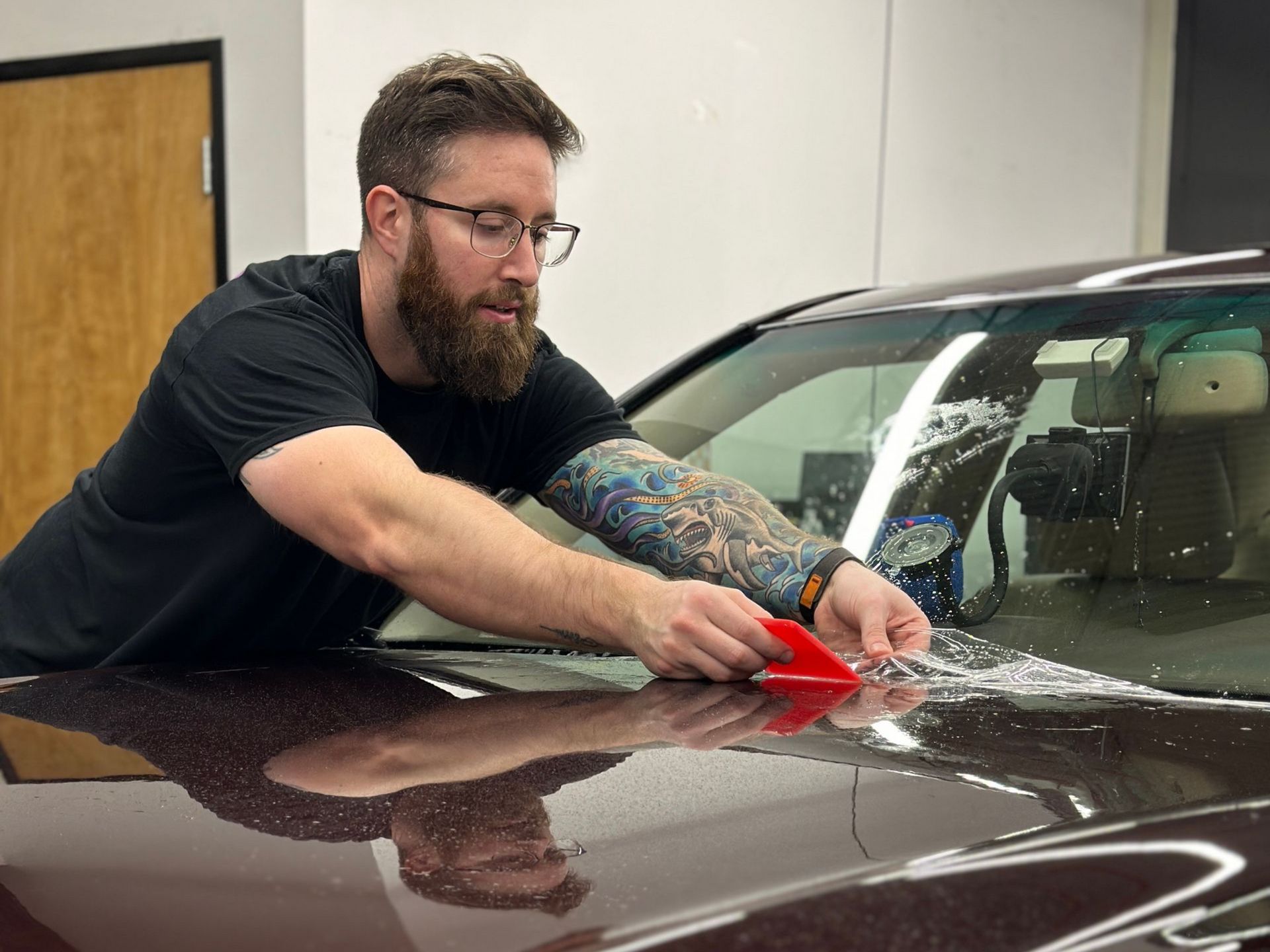
Additionally, employing the wet method, spraying a soap-based lubricating solution on both the vehicle surface and film, allows positioning adjustments before final bonding. Skilled use of soft, flexible squeegee tools is essential to push out air bubbles and water pockets without damaging the film or paint beneath. Another element worth examining is whether your installer uses heat guns judiciously. Applying controlled warmth helps conform the film around complex angles without overstretching or warping it. Look for professionals who balance patience with precision, understanding when to pause and reassess positioning rather than rushing through. Finally, trimming technology plays a subtle yet pivotal role. Sharp blades ensure crisp edges without rough cuts that can expose corners prone to lifting or dirt accumulation. Edge sealing through gentle heating activates adhesive properties at boundaries, effectively preventing moisture ingress.

Benefits of Professional PPF Installation
When it comes to protecting your vehicle's finish, the quality of installation is just as important as the film itself. A professional installer brings precision and expertise to the process that simply can't be matched by a DIY kit or an inexperienced hand. Professionally applied paint protection film provides durable defense against daily hazards, from flying gravel to corrosive road salts. One key advantage is longevity. Certified installers adhere to strict protocols and use advanced tools in a controlled environment to ensure the film adheres properly and cures without flaws. This results in a seamless barrier that stays intact far longer than a hastily applied film. Professionals also carefully prep every inch of your vehicle's surface, removing contaminants that could compromise adhesion and cause premature failures. Professional PPF installation extends your vehicle's paint life significantly. This translates into tangible savings by reducing the frequency of costly repairs or complete repaint jobs. Another crucial benefit is warranty coverage. Certified professionals typically back their work with warranties covering both product defects and installation workmanship. This kind of guarantee offers peace of mind and demonstrates confidence in their craftsmanship.
Beyond the technical benefits, professional installation preserves your vehicle's resale value. The clarity and self-healing properties of top-tier PPFs remain at their best when expertly installed, keeping your car looking near-new for years longer. Trusting an experienced installer who understands how environmental factors affect film performance becomes critical for lasting protection. When selecting your installer, ask about their certifications from leading manufacturers. Evaluate their portfolio thoroughly, not just slick marketing shots but real-world examples showing consistent quality across various vehicles. Transparency about products, pricing tailored to needs, and a clean, dust-free workspace are hallmarks of professionalism that directly impact your end result. Choosing a certified PPF installer ensures you receive expert craftsmanship, backed warranties, and lasting protection for your vehicle's finish, ultimately preserving its value and appearance for years to come.
Premier PPF Protection for Glen Rock Drivers
Protect your vehicle from daily wear with Automotive Specialty Wraps, Glen Rock’s trusted source for
premium paint protection film. Our team installs durable, precision-fitted PPF designed to guard your paint against road debris, weather exposure, and routine driving hazards. With professional application and high-performing materials, your vehicle stays cleaner and maintains its polished look longer. Contact Automotive Specialty Wraps today to book your PPF installation in Glen Rock, NJ!