Is Clear Bra the Same as Paint Protection Film? What the Terms Actually Mean
If you've been shopping around for paint protection and heard "clear bra" from one shop and "paint protection film" from another, you might be wondering if they're two different products. They're not. When comparing clear bra vs paint protection film, you're really comparing the same product called by two different names. The confusion is understandable since the same protective urethane film gets described with different words by different installers. Automotive Specialty Wraps uses both terms in its own materials because customers show up asking for either. This guide walks through what both names actually mean, what modern PPF does for your paint, where the film gets applied on a vehicle, and why the install matters more than which term a shop uses on its marketing.
Why Two Names Exist for the Same Product
Both "clear bra" and "paint protection film" refer to the same protective urethane film applied to vehicle paint. Some installers call it a clear bra when describing front-end coverage. Others use paint protection film for the same coverage. Automotive Specialty Wraps uses both terms in its own materials since customers arrive asking for either, and either request results in the same install on the same product.
What both names describe:
- Clear urethane film applied to painted surfaces
- Self-healing properties that address minor defects
- UV protection for the paint underneath
- Invisible appearance when properly installed
The word choice matters less than what the film actually does and how well it's applied. The same
protective film goes on whether the appointment is booked as clear bra installation or PPF installation.
Clear Bra vs Paint Protection Film: How the Terms Are Used
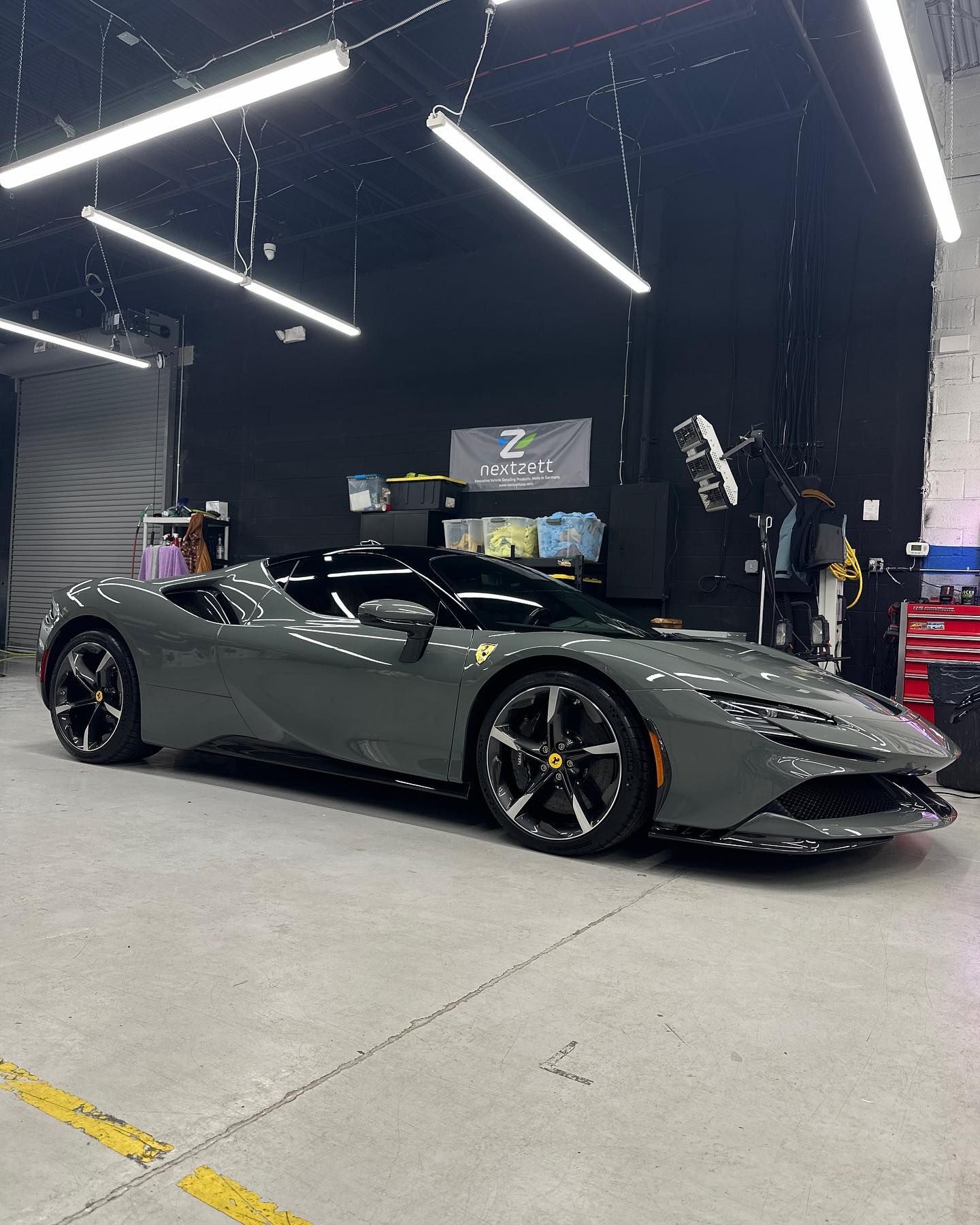
When comparing clear bra vs paint protection film in practical terms, the differences come down to word usage rather than product differences. Both refer to a self-healing shield that guards vehicle paint from nicks, surface marring, and scrapes from daily driving. Both use high-quality urethane that bonds to painted surfaces. Both provide the same UV protection, self-healing behavior, and invisible finish once installed properly.
How the terms typically get used:
- Clear bra: An alternative name for the same PPF product
- PPF: The industry technical name for the same protective film
- Both terms describe the same underlying urethane film
- Both apply to painted surfaces for the same protection
- Both result in the same install on the vehicle
The install is identical regardless of which term a shop uses on its website or in conversation with customers.
What Modern PPF Actually Does for Your Paint
The clear coat on your vehicle is not resistant to defects. Putting paint protection film on it addresses that vulnerability. PPF from Automotive Specialty Wraps acts like a self-healing shield, guarding your vehicle's paint from nicks and scrapes from daily driving. It's made from high-quality PPF material that bonds to painted surfaces properly when applied by trained hands.
The three main benefits of modern PPF:
Self-healing behavior: If the film makes contact with debris or a road hazard, the heat from the sun or another source makes any defects caused simply disappear. This means the PPF keeps the vehicle looking flawless and automatically fixes small marks it sustains.
Surface contamination prevention: The sun in New Jersey can make paint fade over time. With PPF, the vehicle is blocked from extensive ultraviolet ray exposure. By stopping these UV rays, PPF helps keep the paint color looking bright, so the vehicle stays looking fresh even after long stretches parked outside.
Blended appearance: When installed on a vehicle, PPF is virtually invisible. This maintains the vehicle's original look and does not look wrapped in plastic. The film blends with the paintwork so owners enjoy enhanced protection without compromising visual appeal.
Where PPF Gets Installed on Your Vehicle
PPF coverage typically comes in packages that match how much of the vehicle needs protection. Coverage options range from partial front-end protection all the way up to full vehicle coverage, and the right package depends on how you drive and how much of the paint you want protected.
Common PPF coverage options at Automotive Specialty Wraps:
- Front End Essentials: Partial front coverage for the most basic protection
- Front End Protection: Full hood, full fenders, and A-pillars for defense against road debris
- Front End Plus Impact: Extends to lower rockers and rear-quarter impact areas
- Full Vehicle Coverage: The entire vehicle protected end to end
The Partial Front option covers the partial hood, fenders, full front bumper, headlights, and mirrors from nicks, rock chips, and road debris. The Front End Protection package offers stronger defense against road debris and hazards compared to the standard partial option. Coverage decisions come down to which areas take damage on your driving routes. Some owners also consider matte PPF options for vehicles with matte finishes that need the same protection.
Why Professional Installation Matters
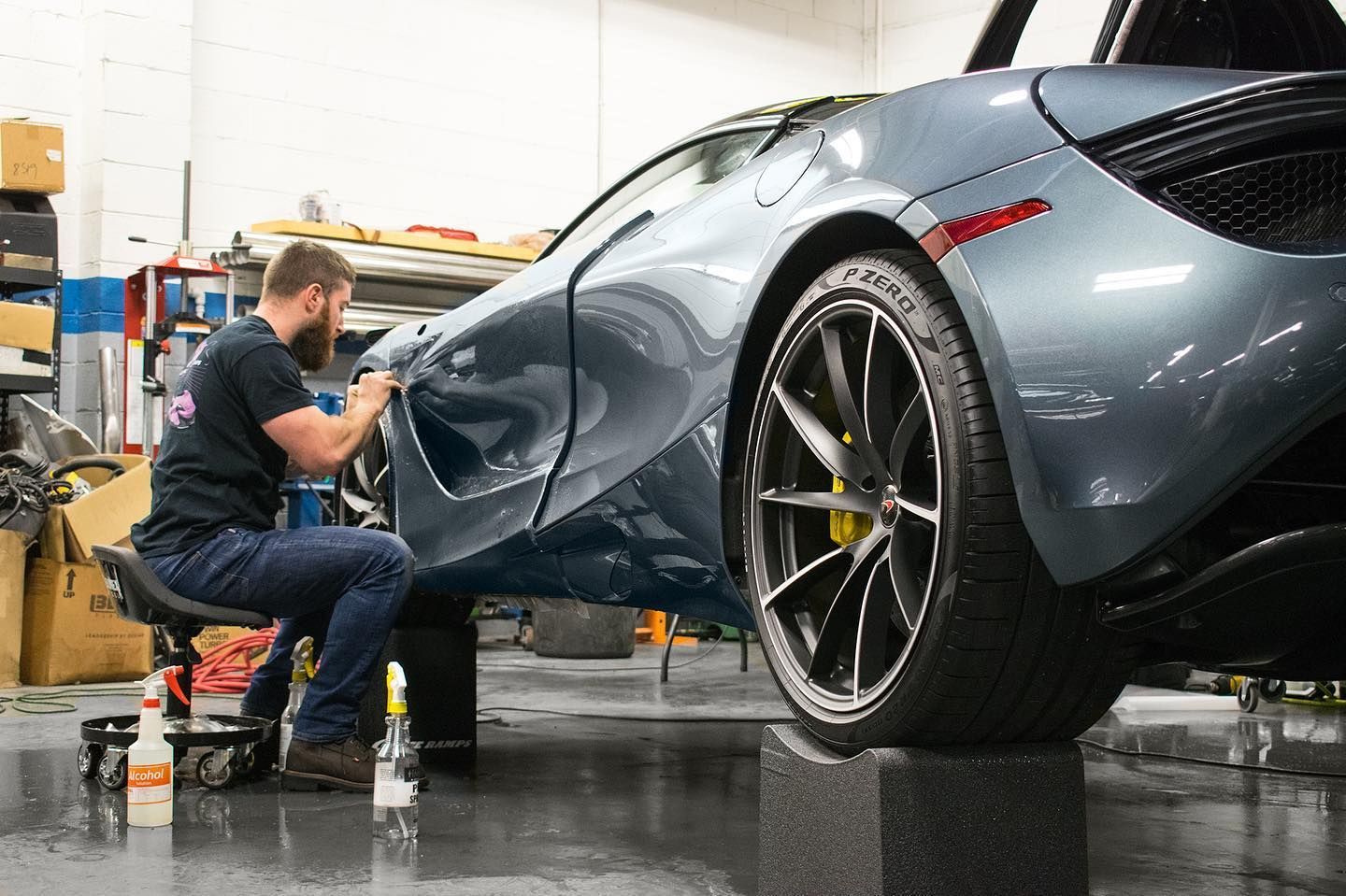
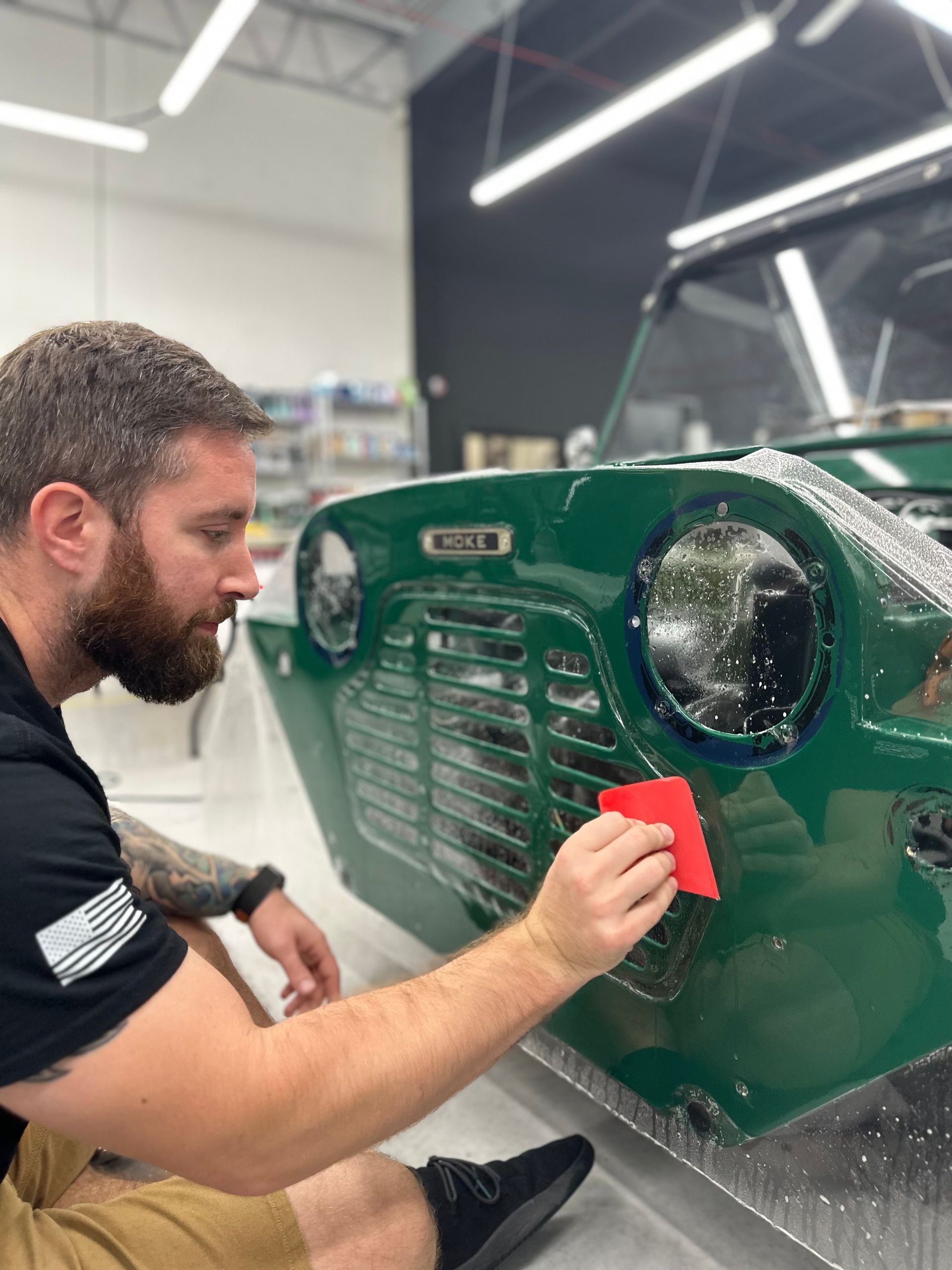
Without professional training, improper installation can lead to bubbles, peeling, and reduced effectiveness of the self-healing properties. That's why it's important to have PPF installed by a professional experienced in working with the film. At Automotive Specialty Wraps, the install moves through three stages: paint prep and cleaning, cutting and customizing the film to fit the vehicle precisely, and applying the film with careful attention to eliminate wrinkles and bubbles.
What professional installation delivers:
- The paint surface is properly clean before film application
- Special measurement tools customize the film to vehicle shape and size
- No wrinkles or bubbles appear during application
- The film bonds properly to the paint underneath
- The invisible finish looks right from every angle
DIY kits or shops without proper training often produce results that peel, bubble, or fail to self-heal properly. Proper technique separates a clean, invisible finish from one that looks aftermarket.
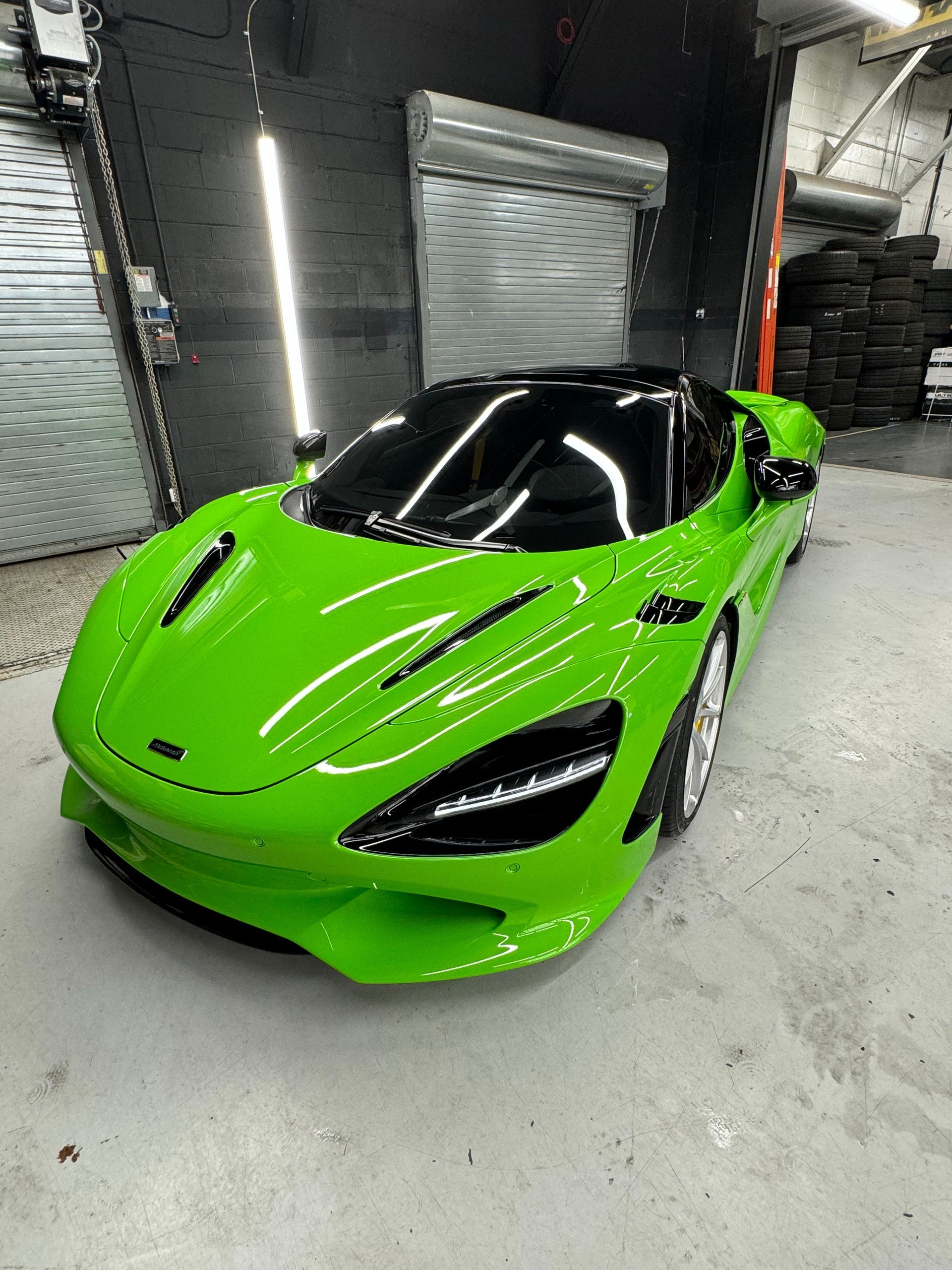
Book Your Clear Bra Install
Ready to protect your paint with the real thing? Automotive Specialty Wraps installs paint protection film for drivers who want the same thing whether they call it clear bra or PPF. The Fair Lawn, NJ team is IDA-certified and works from a proper install process covering prep, custom-cut film, and careful application without wrinkles or bubbles. Whether you want partial front-end coverage or full vehicle protection, the honest clear bra vs paint protection film answer is simple: same product, and getting it installed right is what matters. Give us a call, and we'll get it lined up.
Frequently Asked Questions
Is clear bra the same thing as paint protection film?
Yes, clear bra and paint protection film refer to the same product. Clear bra is a traditional name that many shops still use, while PPF is the newer technical name for the same self-healing urethane film. Both apply to painted surfaces to guard against nicks, road debris, and UV damage. Automotive Specialty Wraps uses both terms since customers arrive asking for either.
Does clear bra self-heal like modern PPF?
Yes, because they're the same product. Both clear bra and PPF have the self-healing feature that works well for vehicle durability. If the film makes contact with debris or a hazard from the road, the heat from the sun or another source makes any defects caused simply disappear. This maintains the vehicle's sleek appearance without needing manual correction for small marks the film picks up.
What areas of a vehicle can get PPF?
PPF can go on any painted surface. Common coverage options include partial front coverage that shields the partial hood, fenders, full front bumper, headlights, and mirrors, or full front-end coverage with the full hood, full fenders, and A-pillars. Some drivers add lower rocker and rear-quarter impact protection for extra defense, and full vehicle coverage protects the entire painted exterior.
Is PPF really invisible after installation?
Yes, when installed on a vehicle, PPF is virtually invisible. This maintains the vehicle's original look and does not appear wrapped in plastic. Paint protection film blends with the vehicle's paintwork so owners get enhanced protection without changing how the car looks. Proper installation technique is what makes the invisible finish possible.
Can I install PPF myself with a kit?
Not without significant risk. Without professional training, improper installation can lead to bubbles, peeling, and other problems that reduce how well the film performs. The self-healing properties also work best when the film is applied correctly. A trained installer uses special measurement tools to customize the film for your specific vehicle so it covers the protected areas cleanly.