Applying a ceramic coating to paint that hasn't been properly prepared is one of the biggest mistakes any vehicle owner can make. The coating bonds to whatever's on the surface, including swirl marks, water spots, and light imperfections you might not even see clearly in the driveway. Once the coating goes on, those flaws are locked in permanently. That's why understanding paint correction and ceramic coating as a pair matters. The correction step removes surface defects and creates a smoother foundation for the coating to bond to. Skip it, and you get a shiny finish on top of damaged paint. Do it right, and you get a coating that looks its best and lasts longer, because the surface underneath is genuinely ready for it.
What Paint Correction Actually Does
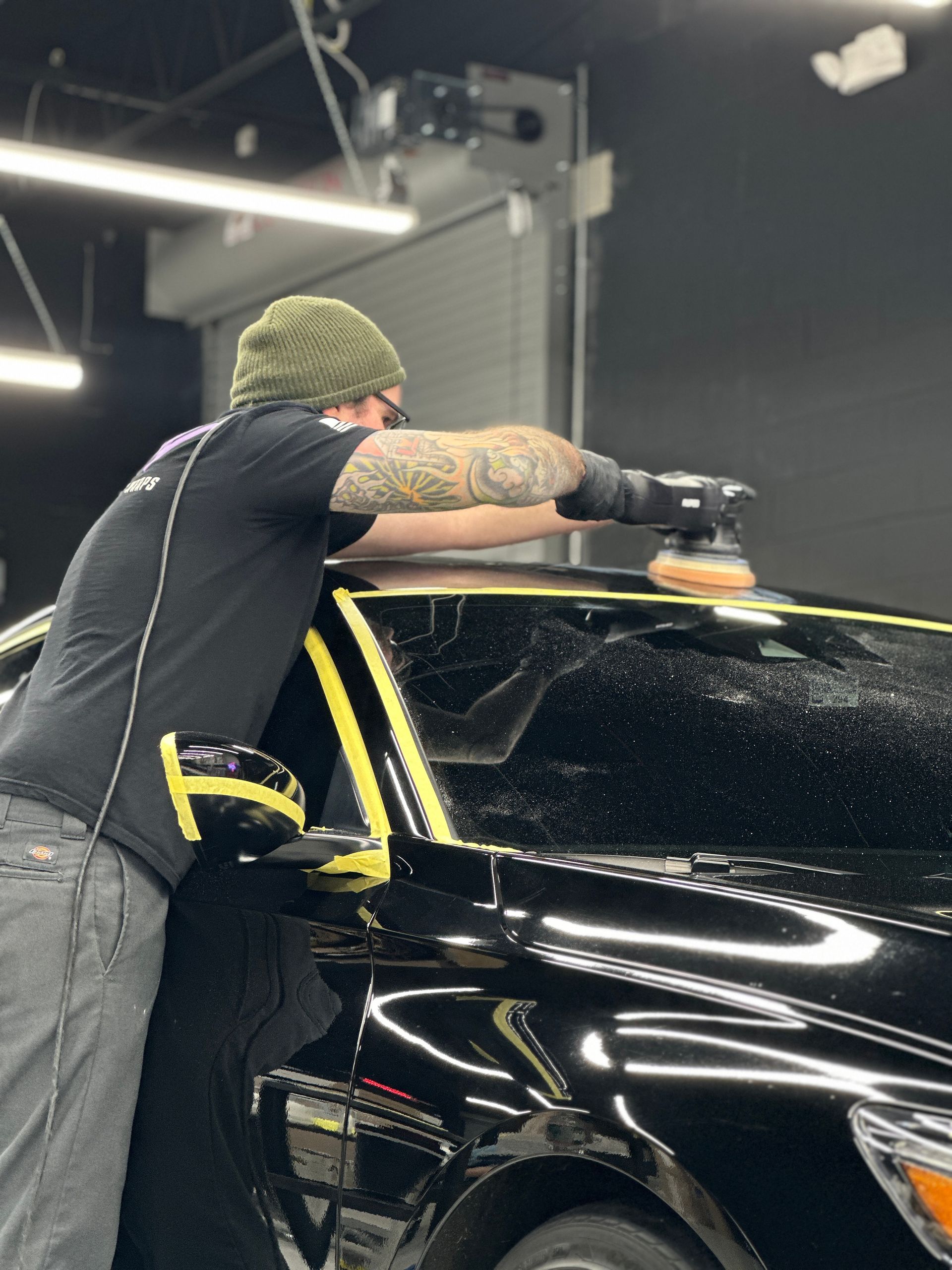
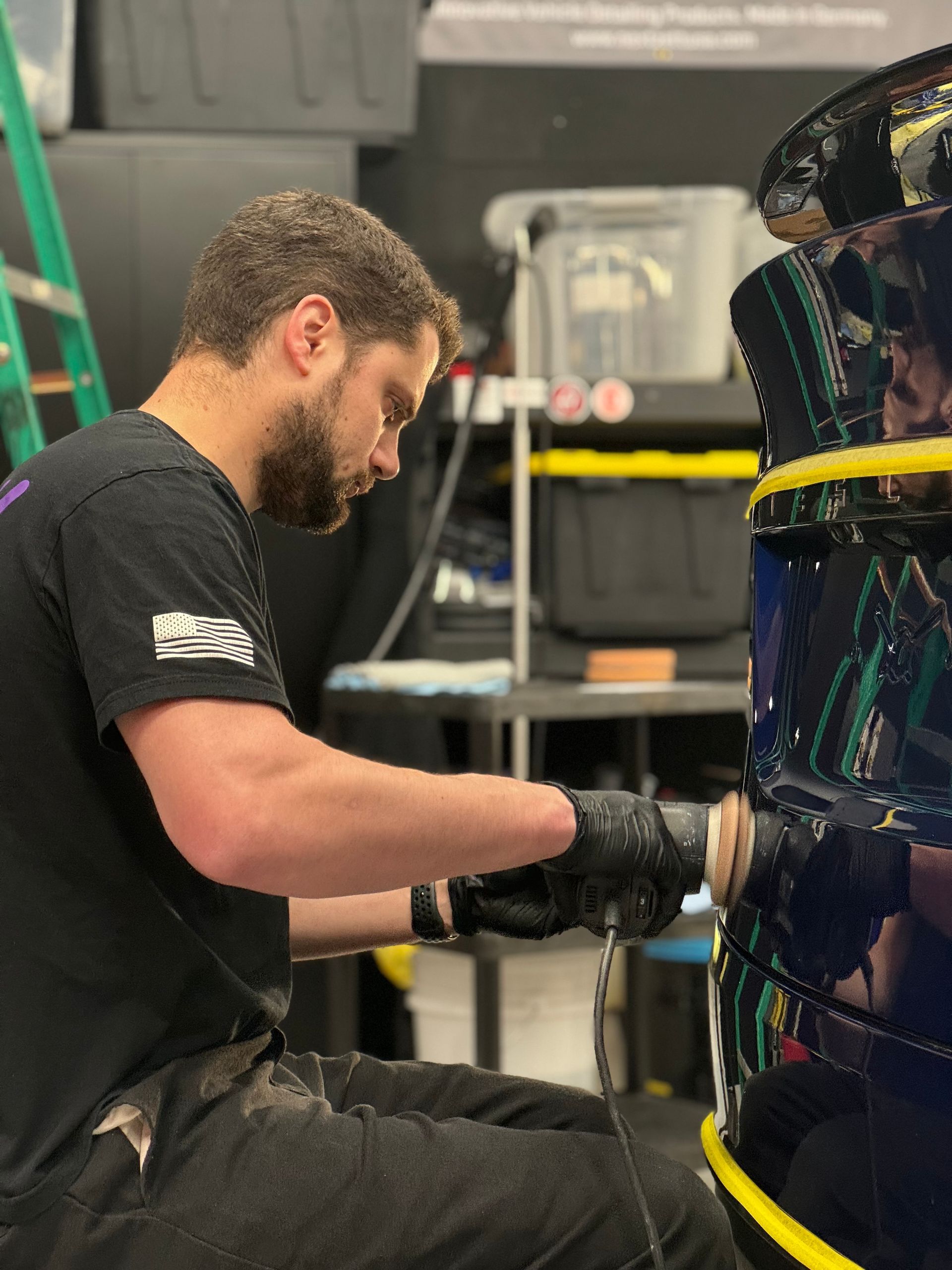
Paint correction eliminates surface defects and the dullness of your clear coat that build up over time. Your paint's shine fades from general use, the New Jersey environment, and exposure to hazards and debris. The process brings back the quality and shine to the vehicle's paint using cutting pads and a cutting compound to abrade away a thin amount of clear coat. The defects being eliminated are inside your vehicle's clear coat, and the process smooths the surface and makes it look sleek again.
What paint correction addresses:
- Swirl marks from improper washing
- Light surface marring from various sources
- Water spots from hard water or rain
- Dullness that builds up over time
- Common clear coat defects that come with age
The service works on any paint color or type of vehicle at
Automotive Specialty Wraps. The trained team starts with an inspection of the vehicle's paint to identify these problems before starting the correction process.
Paint Correction and Ceramic Coating: How Prep Sets the Foundation
Understanding paint correction and ceramic coating together starts with what happens during the correction process. After the cutting and polishing steps, the vehicle's surface is prepped and prepared for a ceramic coating or a paint protection film. The buffing and polishing remove marks left by the cutting process and make the paint glossier, which is exactly the surface state a ceramic coating needs to bond properly.
Ceramic coatings create a strong, lasting connection with your vehicle's paint. This connection is only as strong as the surface underneath. If the paint has defects, the coating seals them in. If the surface is properly corrected first, the coating has a smooth, clean foundation to work with, and the water-repelling behavior of the coating shows up on paint that deserves it. Learn more about quality ceramic coating options that benefit most from proper prep work.
Why prep matters for ceramic coating:
- Coating bonds better to a smooth, corrected surface
- Defects don't get locked in under the finish
- The gloss enhancement from ceramic shows more on corrected paint
- Durability lasts longer when there's less surface irregularity
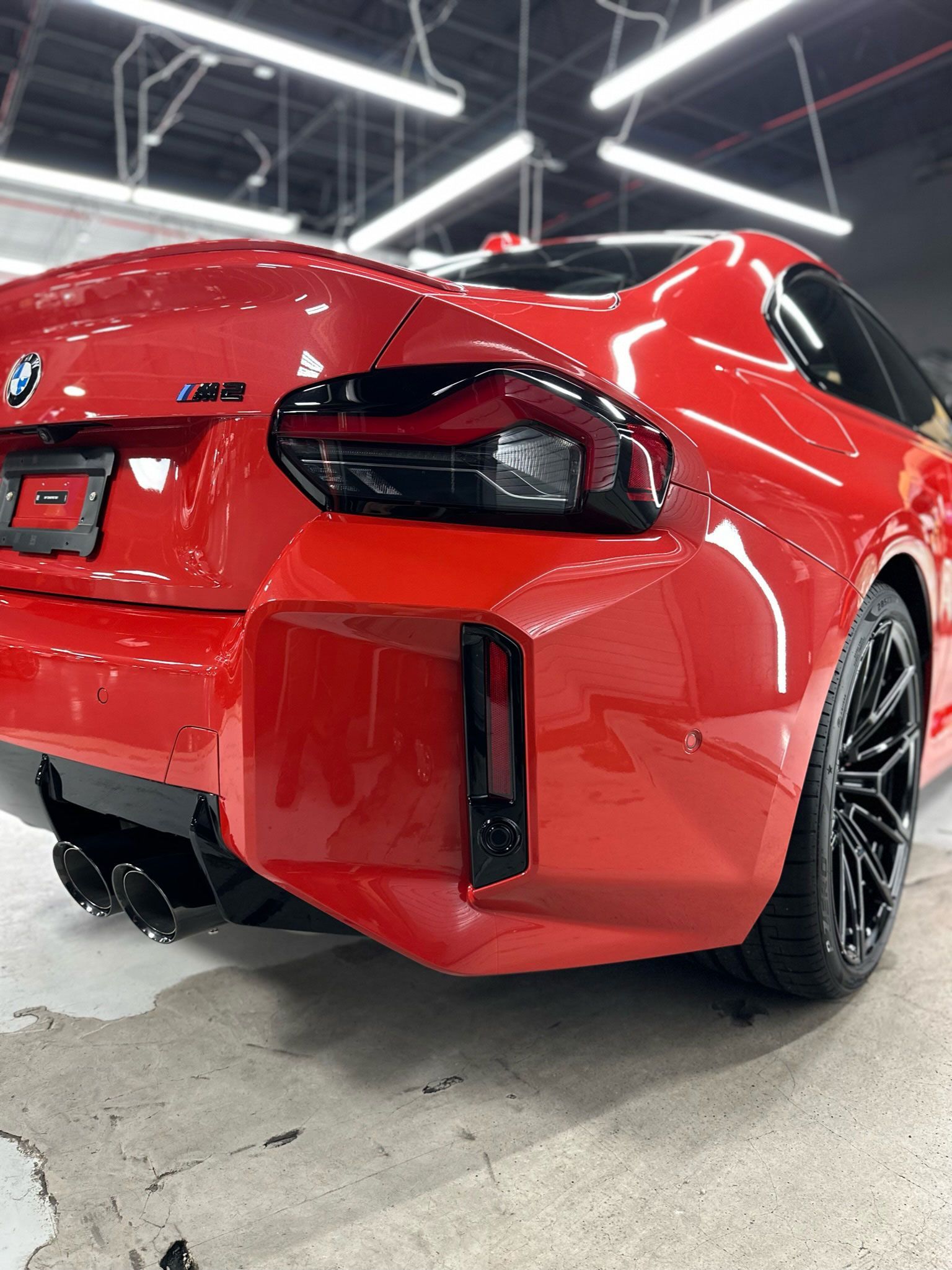
- The showroom-quality shine comes through cleanly
The Steps in a Professional Paint Correction Process
When your vehicle first gets to Automotive Specialty Wraps for paint correction, the process moves through three careful stages:
- Vehicle Evaluation and Prep: The team carefully inspects the paint for swirl marks, light surface marring, water spots, and other common issues that correction can fix. Then the exterior gets thoroughly cleaned to give a clean slate.
- Paint Correction Cutting: Special tools, cutting pads, and a cutting compound abrade away a thin amount of clear coat, eliminating defects inside the clear coat itself.
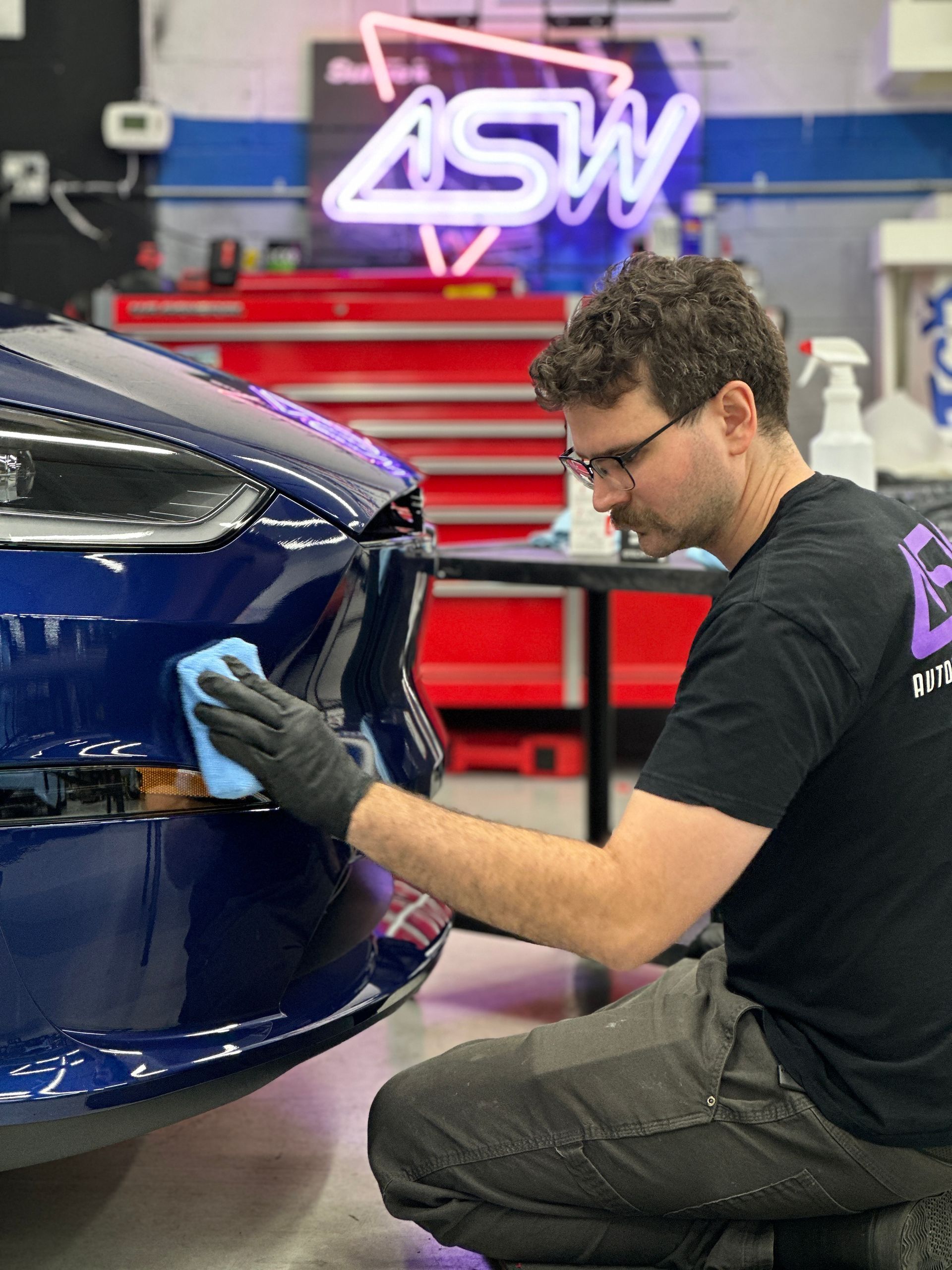
- Buffing and Polishing: Softer buffing and polishing materials bring out the paint's color, depth, and shine while removing any marks left by the cutting process.
That third step is where the surface becomes ready for a coating. The buffing and polishing prep the vehicle's surface for a ceramic coating or paint protection film - both products that help protect the vehicle's paint. Skipping any of these stages compromises how well the coating bonds to the paint underneath.
Why Skipping Prep Hurts Your Coating
A ceramic coating applied over damaged paint is essentially sealing in defects that would have been fixable. Once the coating cures, those flaws stay visible under the gloss for as long as the coating lasts. Any correction work later means removing the coating first, which adds cost and complexity.
Common problems from coating over unprepared paint:
- Swirl marks visible under the glossy finish permanently
- Water spot outlines locked in place
- Light surface marring showing under the coating's shine
- Reduced coating longevity from poor bonding
- Uneven finish where dirt or debris was trapped
The coating itself might look good initially. But once you get out in the sun and see the reflection, the surface underneath tells the real story. A good detailing team handles the two as a proper sequence rather than isolated services.
What Both Services Together Deliver
When paint correction is done properly before ceramic coating installation, the result is a vehicle that looks its absolute best and stays that way longer. The coating enhances what's already been made beautiful, rather than trying to cover what's still damaged.
Combined benefits when the two work together:
- Better long-term appearance from a clean starting surface
- Coating durability that reflects proper bonding
- Water and grime slide right off corrected, coated paint easily
- The showroom-quality look that owners actually paid for
- Value retention over time from proper paint care
Ceramic coating alone can't fix flaws. Paint correction alone doesn't add protection. Together they give you the finish you wanted and the long-term protection that keeps it looking that way. Owners looking at
ceramic coating packages get the most benefit when correction is included in the plan.
Book Your Prep and Coating Appointment
Ready to give your vehicle the care it deserves? Automotive Specialty Wraps is a Fair Lawn, NJ team of IDA-certified detailers offering services that work together for the best possible finish. Our paint correction team removes imperfections through abrasion, then the ceramic coating goes on top of the properly prepared paint. Whether you're planning paint correction and ceramic coating as a full package or want to know what your vehicle needs first, the team can guide you through the sequence. Book an appointment to get started.
Frequently Asked Questions
Why can't ceramic coating just cover imperfections?
Ceramic coating creates a strong, lasting connection with your vehicle's paint by bonding to whatever's on the surface. If defects like swirl marks, water spots, and clear coat dullness are still there, the coating seals them in permanently. The coating adds shine and protection, but it doesn't fix what's underneath. That's why paint correction comes first, so the coating bonds to smooth, clean paint that shows the coating's benefits properly.
Can paint correction be done on any paint color?
Yes, paint correction can be done on any paint color or type of vehicle at Automotive Specialty Wraps. Whether the vehicle is bright red, deep blue, or sleek black, the process works effectively on all colors, ensuring the vehicle looks its best. The same cutting and polishing techniques apply across paint types before the ceramic coating goes on.
Does new paint need correction before ceramic coating?
Often, yes. Even new vehicles can benefit from paint correction to enhance their appearance. During transportation and display at dealerships, new vehicles might pick up small imperfections in the paint. Dealership washing techniques can also create swirl marks. Paint correction at Automotive Specialty Wraps smooths out these minor flaws so the coating goes on a properly prepared surface right from the start.
What's the difference between paint correction and polishing?
Polishing is one part of the paint correction process, but the full process starts with inspection and cleaning, then uses cutting pads and a cutting compound to abrade away a thin amount of clear coat where the defects live. Buffing and polishing come after the cutting to bring out color, depth, and shine. All three phases together give the coating a proper foundation.
Can I get paint correction without ceramic coating?
Yes, paint correction is a standalone service that improves the look of your vehicle and gives it a glossy, smooth finish. Many owners get correction done for the appearance benefit alone, as removing simple flaws keeps them from getting worse. When a ceramic coating or paint protection film is planned afterward, correction becomes even more valuable because it sets up the surface for the coating to work at its best.