Common Ceramic Coating Myths and Truths: A Complete Guide
GET A FREE ESTIMATEIf you're thinking about ceramic coating for your vehicle, you've probably come across some bold claims: that it makes your paint completely impervious to damage, keeps your car spotless without any effort, or eliminates the need to wash it altogether. The truth is more grounded than that. Ceramic coatings deliver impressive protection and shine, but they are not magical solutions that do all the work for you.
At Automotive Specialty Wraps, our IDA-certified team in Glen Rock, NJ, believes every vehicle owner deserves clear, honest information before making an investment in paint protection. This guide separates fact from fiction so you can understand what ceramic coatings actually do, what to realistically expect, and how to care for them properly.
The Myth of a Shine That Lasts Forever
Ceramic coatings produce a striking, deep gloss that outperforms traditional wax by a significant margin. However, claiming that shine lasts forever without any upkeep is simply inaccurate. Like any protective layer exposed to the elements, a ceramic coating faces constant challenges from everyday use and environmental conditions.
UV radiation from sunlight gradually breaks down the coating's molecular bonds, reducing its ability to reflect light with that deep, wet-look finish. Acid rain and road salt act as chemical aggressors that introduce microscopic damage over time, gradually reducing gloss and surface smoothness. Even premium, professionally applied coatings show a measurable decline in shine over the years, with the rate of degradation depending largely on climate and how consistently the vehicle is maintained.
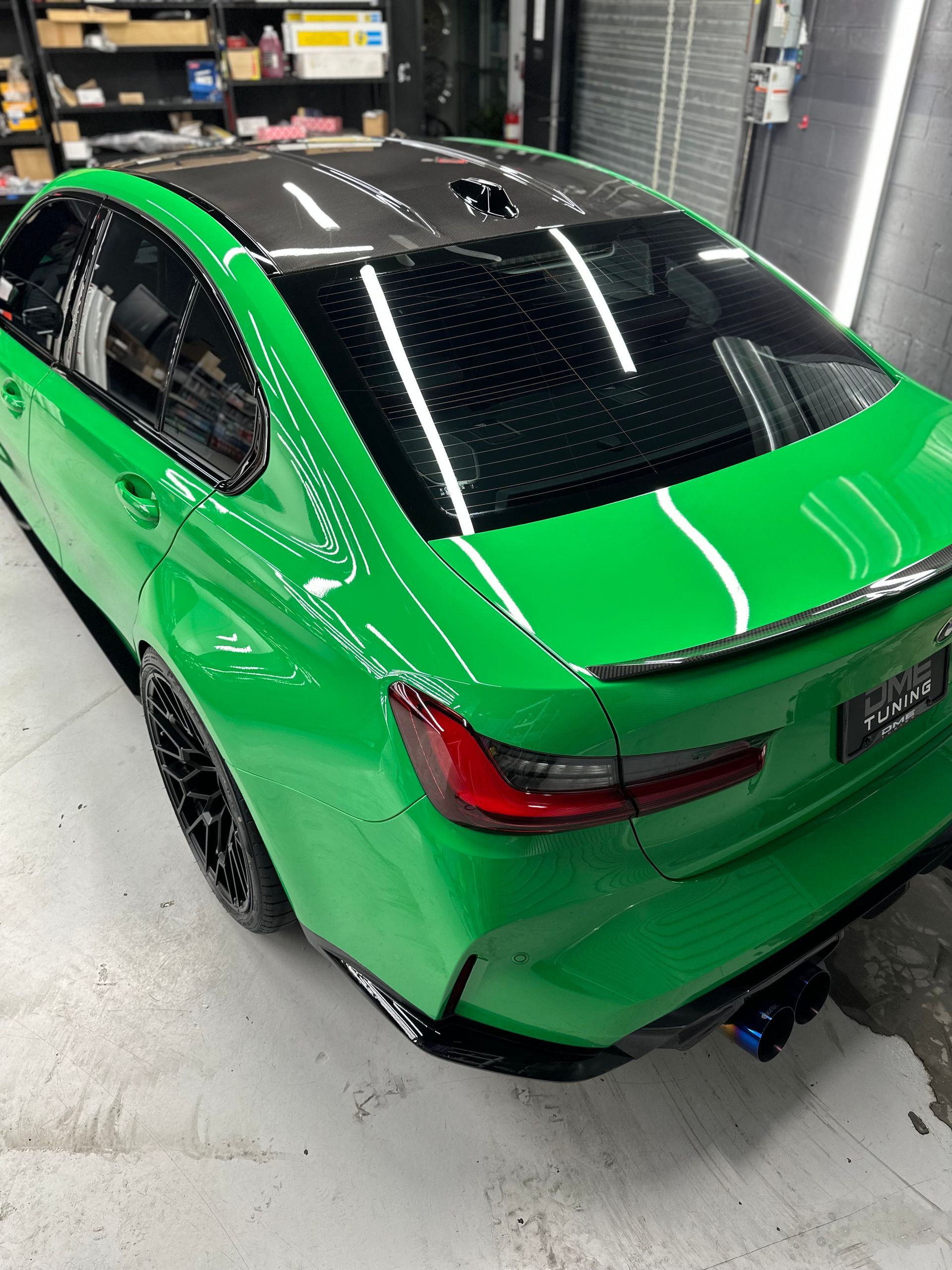
The key to preserving that finish is consistent attention. Washing your vehicle with gentle, pH-neutral shampoos removes contaminants without stripping the coating's protective properties. Harsh household detergents and acidic cleaners can accelerate the deterioration of the ceramic surface. Incorporating periodic ceramic-specific maintenance sprays also helps rejuvenate the coating's hydrophobic qualities and extend its overall lifespan. Think of a ceramic coating as an advanced protective shield rather than indestructible armor. It enhances durability and appearance, but like any quality surface treatment, it requires ongoing care to perform at its best.
What Ceramic Coatings Actually Protect Against
One of the most common misunderstandings about ceramic coatings is the extent of their surface protection. These coatings add a measurable layer of hardness to your paint, providing solid resistance against light surface wear from routine washing, dust particles, and minor contact. The hardness of a quality ceramic coating typically exceeds that of a factory clear coat, creating a tougher outer barrier.
However, a ceramic coating is not a substitute for a physical protective layer. It performs well against light, everyday surface contact, but it was not designed to absorb the kind of force that comes from road debris impacts, door dings, or other hard contact. For that level of physical protection, paint protection film (PPF) is the appropriate solution.
This is why many vehicle owners who are serious about comprehensive protection combine ceramic coating with PPF. The ceramic coating addresses daily surface wear and maintains the vehicle's hydrophobic and glossy finish, while PPF physically shields high-impact areas from chips and other damage. Together, they form a layered defense strategy that covers a much wider range of real-world scenarios than either product can address on its own.
The quality of the ceramic coating itself also plays a significant role in performance. Professional-grade products with high silicon dioxide concentrations form denser, harder layers that hold up better over time compared to consumer-grade formulas with diluted concentrations. This distinction matters when evaluating the level of protection you can realistically expect.
Finally, proper surface preparation before application is critical. Any surface flaws sealed beneath the coating during installation become locked in place, making them far more difficult to address later. This is why thorough paint correction before coating is not optional; it is a fundamental part of the service.
Heat and UV Resistance: The Reality
Ceramic coatings are frequently praised for their ability to protect a vehicle's surface from heat and UV damage, and this praise is largely warranted, with some important context. These coatings are formulated with materials including silicon dioxide, which gives them strong thermal stability. They can endure the typical temperatures a vehicle's exterior encounters day to day without breaking down or discoloring.
The coating creates a barrier that reduces oxidation and slows the rate at which harmful reactions like paint fading and chalking occur. Quality ceramic coatings block a significant portion of UV rays from reaching your vehicle's paintwork, which means treated vehicles tend to maintain their gloss and color vibrancy longer than untreated ones. This is one of the coating's most consistent and practical benefits for vehicle owners in any climate.
That said, a ceramic coating is not an impenetrable barrier against extreme heat or prolonged sun exposure. Parking in shaded areas, using breathable car covers during extended outdoor periods, and maintaining a regular wash schedule all remain important habits. These practices reduce the overall stress placed on the coating and support its long-term performance.
Advanced formulations that combine graphene with silicon dioxide chemistry tend to provide extended UV protection compared to earlier generation coatings. For vehicle owners in areas with intense sun exposure, this kind of upgrade can make a meaningful difference in how long the coating maintains its effectiveness.
Understanding the Layering Process
A ceramic coating is not simply a liquid applied in one quick step. It is a carefully structured layering process where each coat serves a distinct purpose. Understanding this structure helps explain why professional application produces such durable, long-lasting results.
The base layer bonds directly with the vehicle's paint to create a stable foundation for everything that follows. Intermediate layers build on that foundation by adding chemical resistance and increasing overall hardness, making it more difficult for environmental contaminants to leave lasting marks on the surface. At the top of the system sits the final coat, which is responsible for the coating's hydrophobic performance and UV filtration. This is the layer that causes water to bead and roll off effortlessly, carrying surface contaminants with it.
Professional detailers typically recommend two to four layers for optimal results. Each additional layer reinforces the properties of the one before it, but beyond a certain point, the incremental benefit diminishes. The goal is a complete, well-bonded system rather than simply the thickest coating possible.
Equally important is curing time between layers. Each coat needs adequate time to dry before the next is applied or before the vehicle is exposed to moisture. Rushing this process compromises the bonding strength of the entire system and can result in uneven coverage or premature wear.
What the Application Process Actually Involves
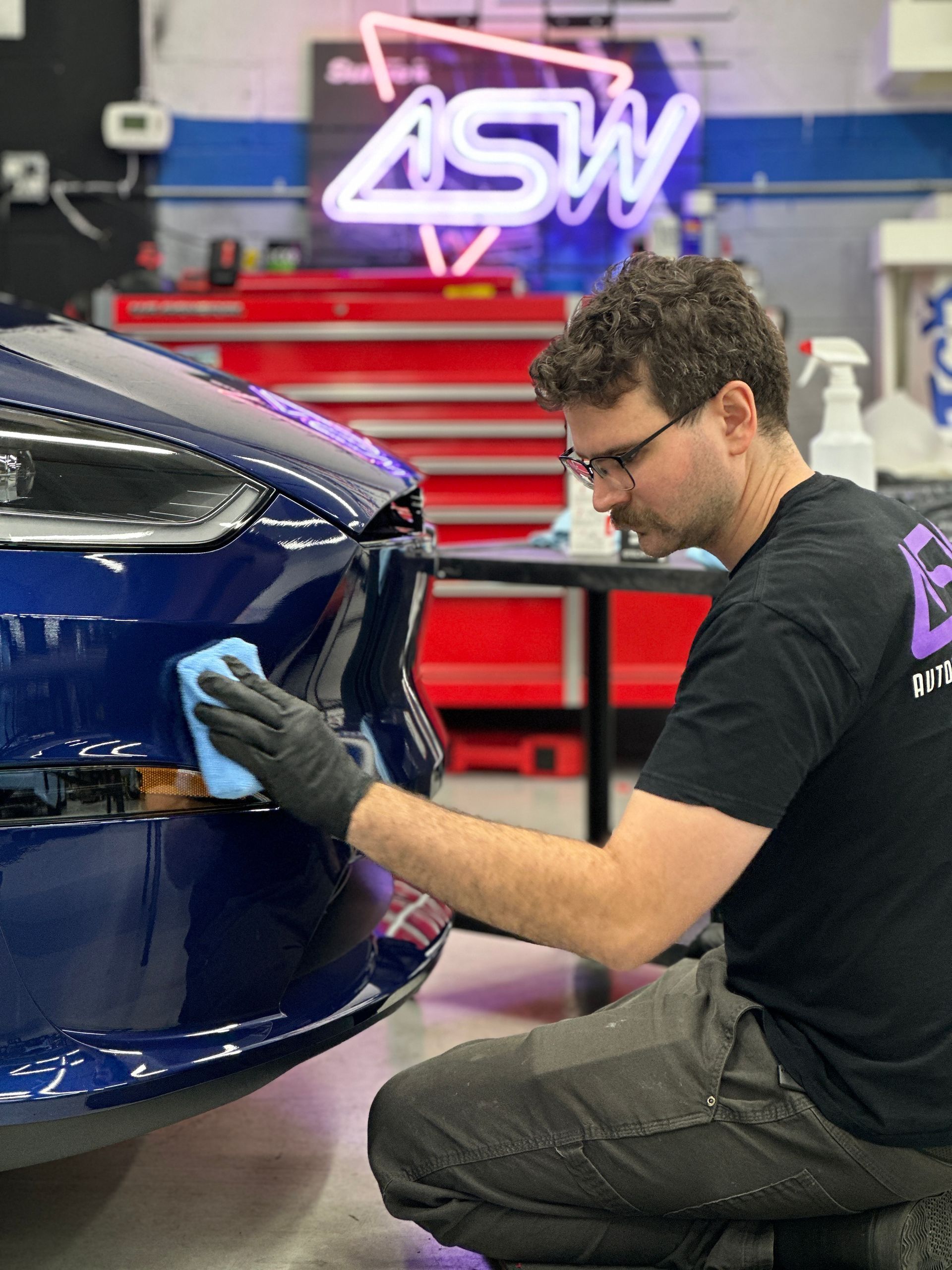
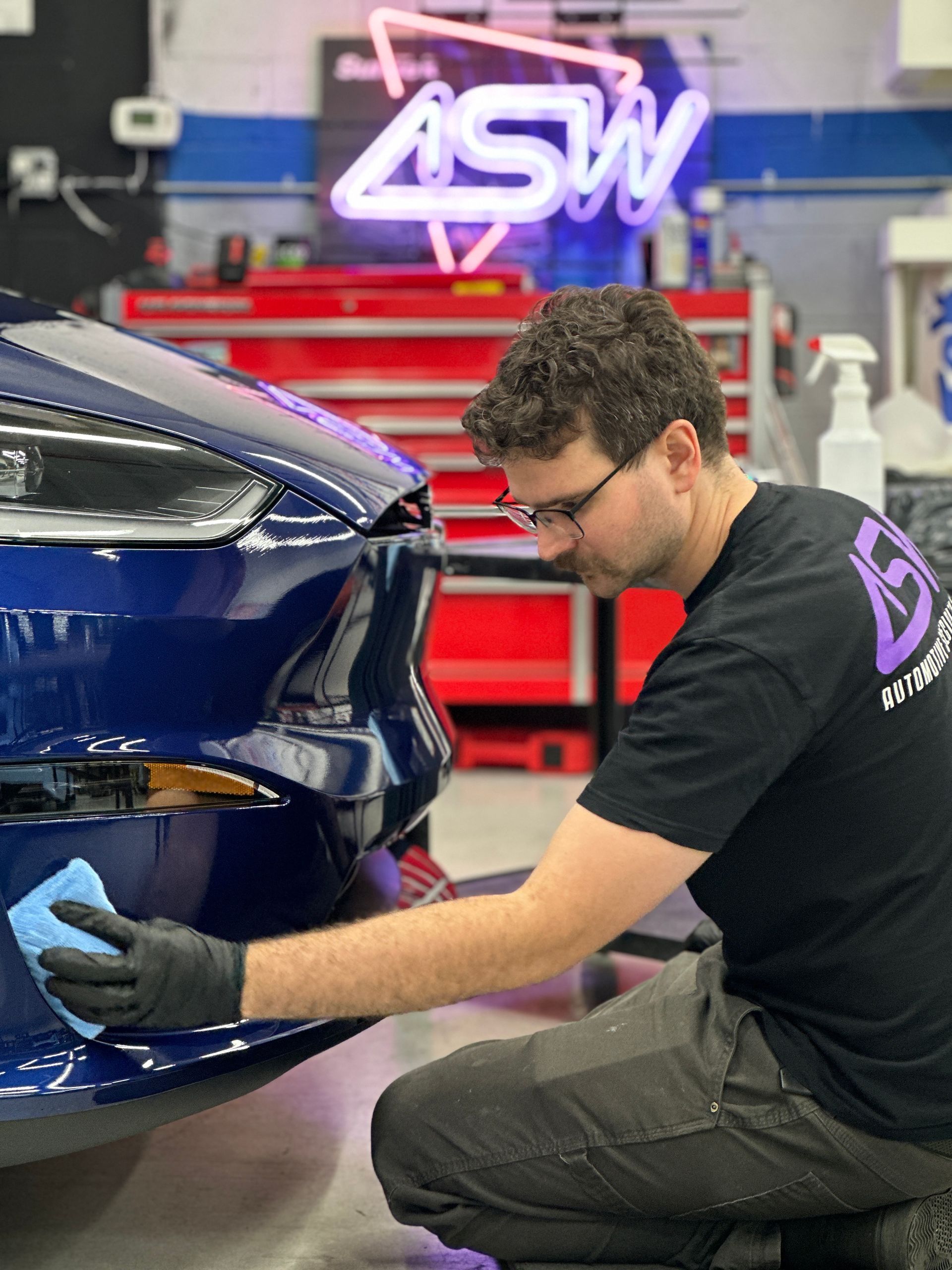
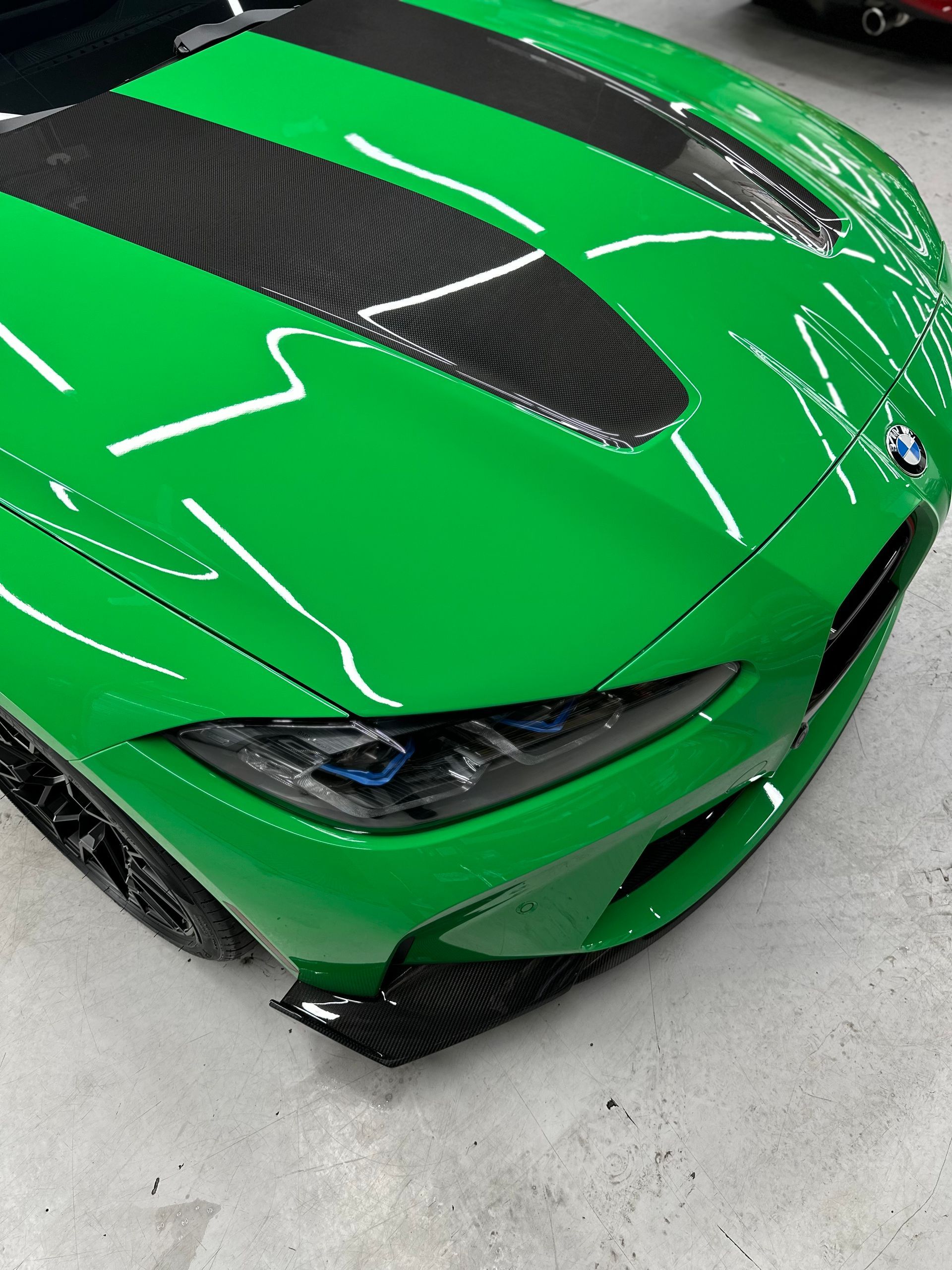
Applying a ceramic coating is a meticulous procedure that requires preparation, precision, and the right environment. This complexity is frequently underestimated by those who view it as just another detailing step. Before any coating is applied, the vehicle's surface must be thoroughly decontaminated. This means removing microscopic particles, industrial fallout, and residues that a standard wash cannot address. Following decontamination, paint correction removes any surface imperfections so the coating bonds to a clean, smooth base. Any flaw left in place at this stage becomes sealed beneath a transparent layer, making it far more difficult to address later.
Application takes place in a controlled environment with regulated temperature and humidity. Conditions that are too hot, too cold, or too humid affect how the coating bonds and cures. Once applied, the coating needs adequate time to cure fully, with the initial period requiring the vehicle to be kept away from water.
The difference between a professionally applied ceramic coating and a consumer-applied kit often comes down to these preparation and application conditions. A professional environment with proper decontamination, paint correction, and climate control produces a significantly stronger bond and a more consistent, longer-lasting finish.
At Automotive Specialty Wraps, our IDA-certified process reflects this standard. Every vehicle that comes through our facility in Fair Lawn receives the preparation and care its paint deserves before a single drop of coating is applied.
The Truth About Maintenance
Ceramic coatings are durable, but they do not make ongoing maintenance unnecessary. A common misconception is that once a coating is applied, the vehicle essentially takes care of itself. In reality, regular care is essential to preserve the coating's benefits over time.
Washing your vehicle every one to two weeks using pH-neutral shampoos designed for coated surfaces is the foundation of proper maintenance. This prevents the buildup of contaminants that gradually degrade the coating's hydrophobic and protective properties. Contaminants like bird droppings and road salt are particularly damaging if left on the surface for extended periods, as they can work through the coating before it has a chance to do its job.
Beyond washing, periodic application of ceramic booster sprays helps replenish the hydrophobic layer and extend the overall life of the coating. Without this reinforcement, the water-beading effect diminishes over time and cleaning becomes progressively more difficult. The tools used during washing also matter. Soft microfiber towels and wash mitts preserve the surface integrity of the coating, while automatic brush car washes introduce wear that undermines the finish. Touchless wash systems or careful hand washing are the recommended approaches for coated vehicles.
Chemical Resistance of Ceramic Coating
Ceramic coatings are highly effective at repelling common environmental hazards, but calling them invincible against all chemicals is an oversimplification. These coatings provide strong defense against bird droppings, tree sap, acid rain, road salt, and insect residue, but their resistance has limits, particularly when substances are left on the surface for extended periods.
Bird droppings, for example, are corrosive due to their uric acid content. Prompt removal using a pH-neutral product remains essential, even on a coated vehicle. The coating provides a window of protection, but it does not neutralize these substances on its own.
Selecting the right cleaning agents also plays a direct role in how long a coating performs. Household detergents, vinegar-based cleaners, and alkaline degreasers can erode the coating's structure with repeated use, reducing its gloss and hydrophobicity over time. Products specifically formulated for ceramic-coated surfaces are always the safer and more effective choice.
Think of a ceramic coating as a resilient but care-dependent surface. It provides a meaningful layer of defense against the chemical challenges your vehicle encounters daily, but it performs best when supported by informed maintenance habits.
The Bottom Line
Ceramic coatings are one of the most effective paint protection investments available to vehicle owners today. They deliver genuine benefits in gloss, UV resistance, hydrophobicity, and chemical defense, but those benefits are best realized when the coating is professionally applied, properly layered, and consistently maintained.
At Automotive Specialty Wraps, our IDA-certified team in Glen Rock, NJ, applies every ceramic coating with the preparation and precision it requires. Whether you are exploring ceramic coating for the first time or looking to strengthen your current protection strategy, we are here to give you an honest assessment and a result that truly reflects what professional-grade protection looks like. Contact us today to schedule your appointment!