How to Choose the Right PPF Installer for Your Car: A Complete Guide
GET A FREE ESTIMATEChoosing the right paint protection film (PPF) installer is one of the most important decisions you can make for your vehicle's long-term appearance and value. There is more to the process than picking the nearest shop or the lowest price. Your car's finish deserves careful handling and skillful application, and finding the right professional means knowing what to look for before you commit. This guide walks you through the key factors that separate a quality PPF installer from one who will leave you with bubbles, lifting edges, and regret.
Start with Research
Before contacting any installer, invest time in research. Online directories like Google Maps and Yelp are solid starting points because they compile customer ratings and detailed reviews in one place. Reading through these reviews gives you a snapshot of past clients' experiences, covering everything from professionalism and communication to the quality of the finished product.
Do not stop at star ratings alone. Look for reviewers who describe the installation process in specific terms: whether edges were clean, how the installer handled questions or concerns, and how the film looked weeks or months after application. Patterns in feedback matter more than individual comments. An installer with consistent praise over many reviews is far more trustworthy than one with a handful of perfect scores and little else.
Car shows and auto expos in your area can also be valuable research opportunities. These events allow you to meet installers face to face, inspect completed work up close, and discuss service options before making any commitment. Direct conversation also lets you gauge how well an installer communicates and whether they take time to educate you on the process.
After narrowing down your list, verify whether the installer holds certifications or affiliations with recognized industry organizations. Certification is a meaningful signal that the installer has met defined training standards and adheres to professional best practices.
Evaluating Installer Expertise
Expertise is the single most important factor when choosing a PPF installer. A poorly applied film can do more harm than good. Bubbles, lifting edges, and weak adhesion not only look bad but also leave your paint vulnerable to the damage you were trying to prevent in the first place.
When evaluating expertise, experience with PPF specifically matters more than general experience in automotive work. An installer who has spent years focused on paint protection film has encountered the kinds of challenges that only come with repetition: complex panel shapes, tight curves, and precise cutlines around door handles and mirrors. That specialized knowledge translates directly into a better result on your car.
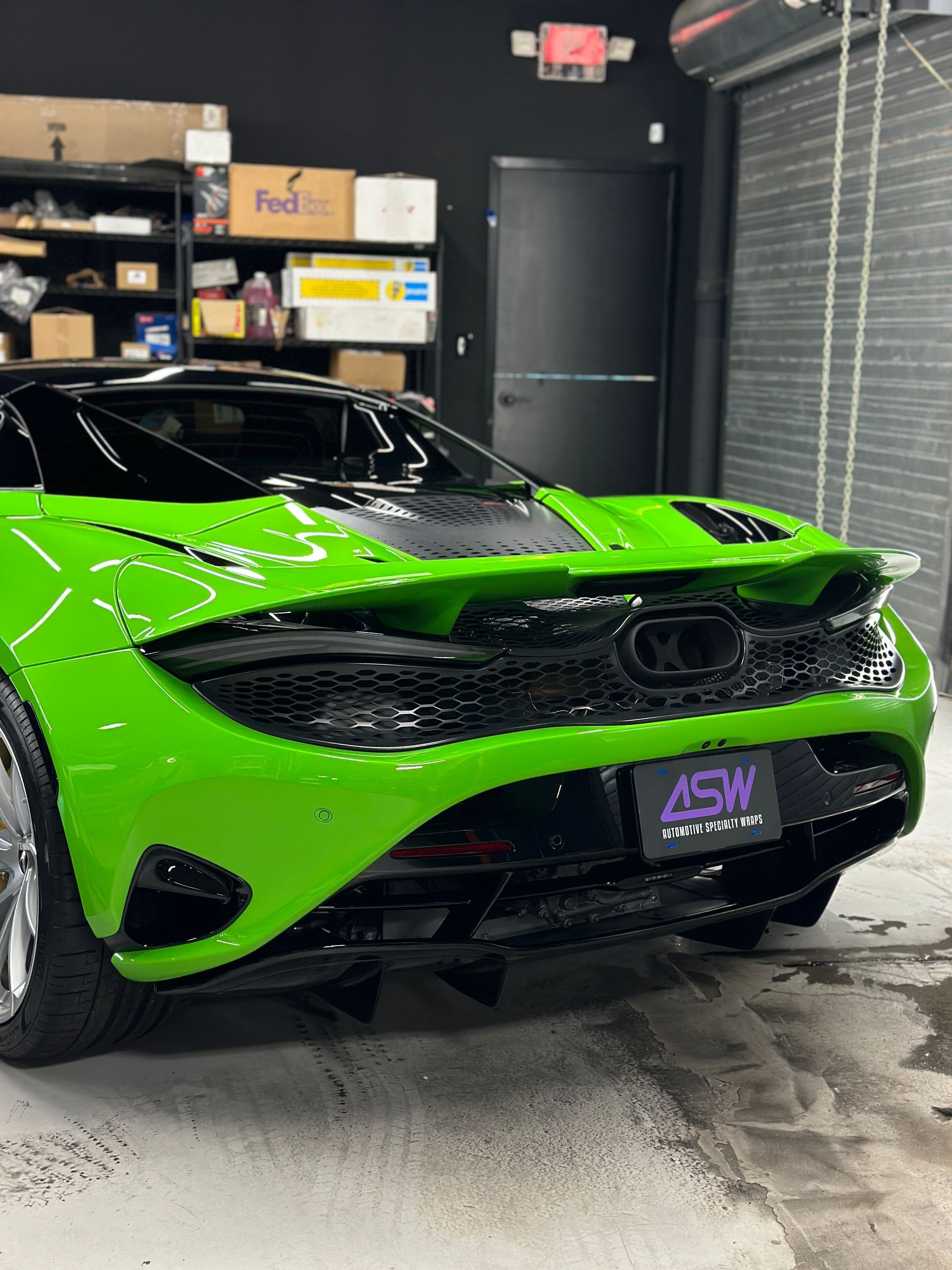
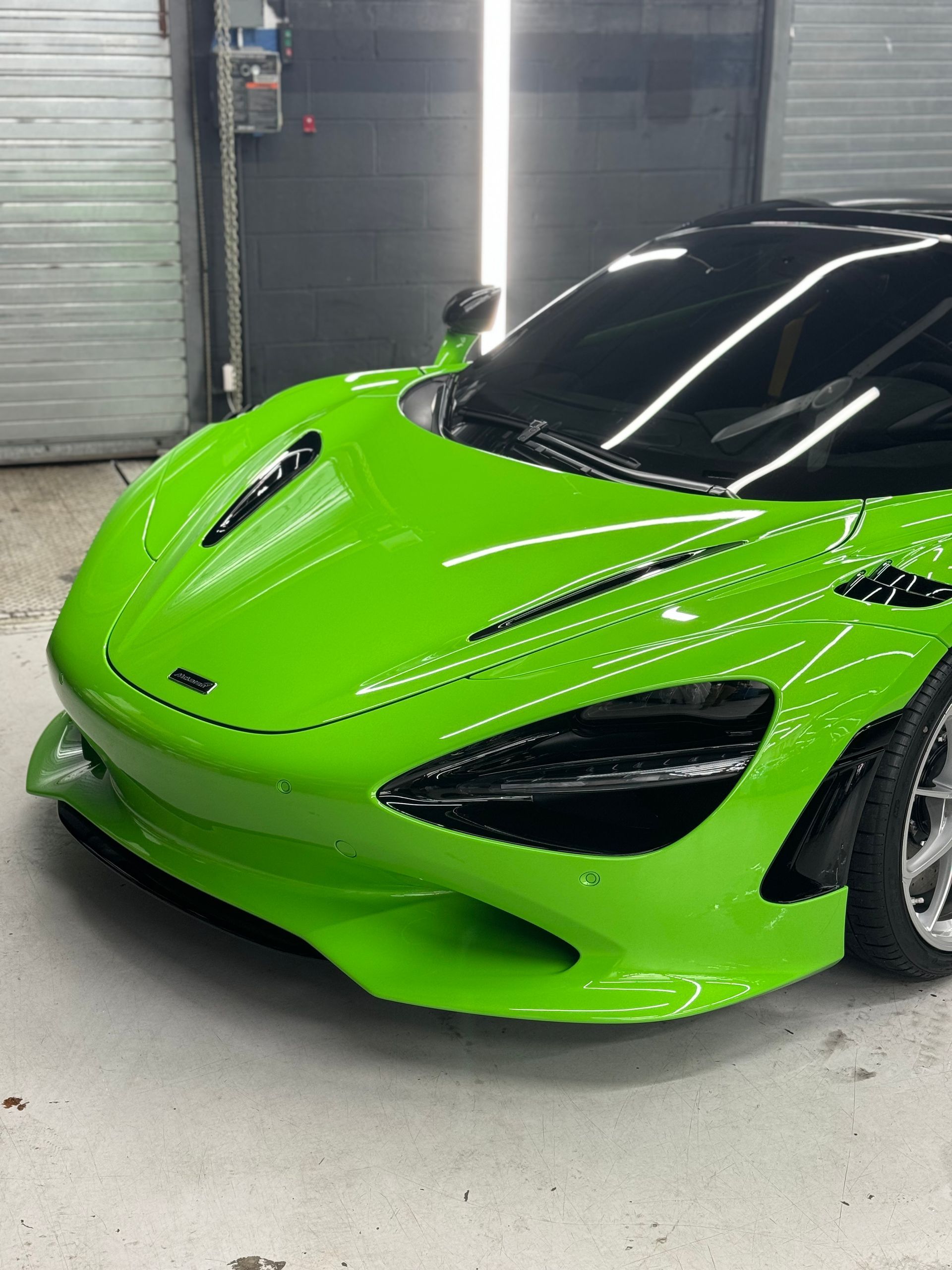
Reviewing an installer's portfolio is one of the most reliable ways to assess their skill level. Quality installation photos reveal more than just the finished look. They show whether edges are clean and flush, whether surfaces are smooth and free of imperfections, and whether the film follows the natural contours of the vehicle without stretching or gapping. A portfolio worth trusting will include a variety of vehicle types and body styles, demonstrating that the installer can handle more than one kind of job.
It is also worth asking whether the installer has experience with your specific vehicle. Some cars have complex curves or unusual panel configurations that require a different approach than more common models. An installer who is familiar with your make and model will be better equipped to deliver a clean, precise result. Do not hesitate to request references or testimonials from past customers. A skilled, confident installer will have no trouble pointing you toward clients who can speak to their work.
Checking Reviews and Reputation
Customer reviews are one of the most honest sources of information available to you during the selection process. They reveal patterns about an installer's consistency, professionalism, and technical ability that you simply cannot learn from a website or a sales conversation.
Look beyond overall star ratings and read the actual comments. Repeated praise for durable, long-lasting installations tells you the installer uses quality materials and applies them correctly. Mentions of responsive, respectful communication tell you the process will be smooth from start to finish. On the other side, recurring complaints about peeling, bubbling, or poor alignment are warning signs that should not be dismissed.
Cross-reference reviews across multiple platforms, including Google, automotive forums, and social media. Comparing feedback from different sources gives you a more complete and reliable picture of the installer's reputation. Pay particular attention to how the installer responds to negative reviews. Those who address complaints directly and professionally demonstrate accountability, which matters when something goes wrong after installation.
Why Certification and Training Matter
Certified installers have made a measurable investment in their craft. Formal training programs go far beyond basic application technique, covering surface preparation, film handling, and the specific challenges that come with different vehicle types and conditions. Earning a recognized certification requires passing assessments that verify both knowledge and skill, not just completing a course.
When speaking with potential installers, ask specifically about what certifications they hold and what training programs they have completed. Membership in professional associations such as the International Detailing Association (IDA) adds an important layer of credibility, signaling ongoing education and a genuine commitment to staying current with industry developments.
Ongoing training matters as much as initial certification. PPF products and installation technology continue to evolve, and installers who invest in continued education are better positioned to deliver consistent, high-quality results as those changes occur.
Comparing Installation Options
PPF installation is not a one-size-fits-all service. The right coverage option for your vehicle depends on your priorities, your budget, and the way you use your car. Full-body protection covers the entire vehicle in a durable film that guards against road debris, scratches, and environmental damage from every angle. It offers the most comprehensive coverage and tends to have the greatest impact on long-term resale value, though it also comes with a higher cost and a longer installation process.
Partial coverage focuses protection on the areas most vulnerable to damage: the front bumper, hood, side mirrors, door edges, and rocker panels. For drivers who want meaningful protection without the cost of a full installation, partial coverage is a practical and effective option. It still defends the surfaces most likely to take a hit, and it can be expanded later if your needs change.
The type of film used matters as much as the coverage option. PPF products vary in thickness, clarity, durability, and how well they resist yellowing over time. Higher-grade films tend to hold up better under real-world conditions and often come with stronger manufacturer warranties. A knowledgeable installer will be able to walk you through the differences between available films and help you choose one that fits your goals and your budget. When comparing installers, pay attention not only to what films they carry but also to how well they understand the specific installation requirements of each product. A premium film applied incorrectly will still underperform, and that costs you more in the long run than any upfront savings.
Assessing Quality of Work
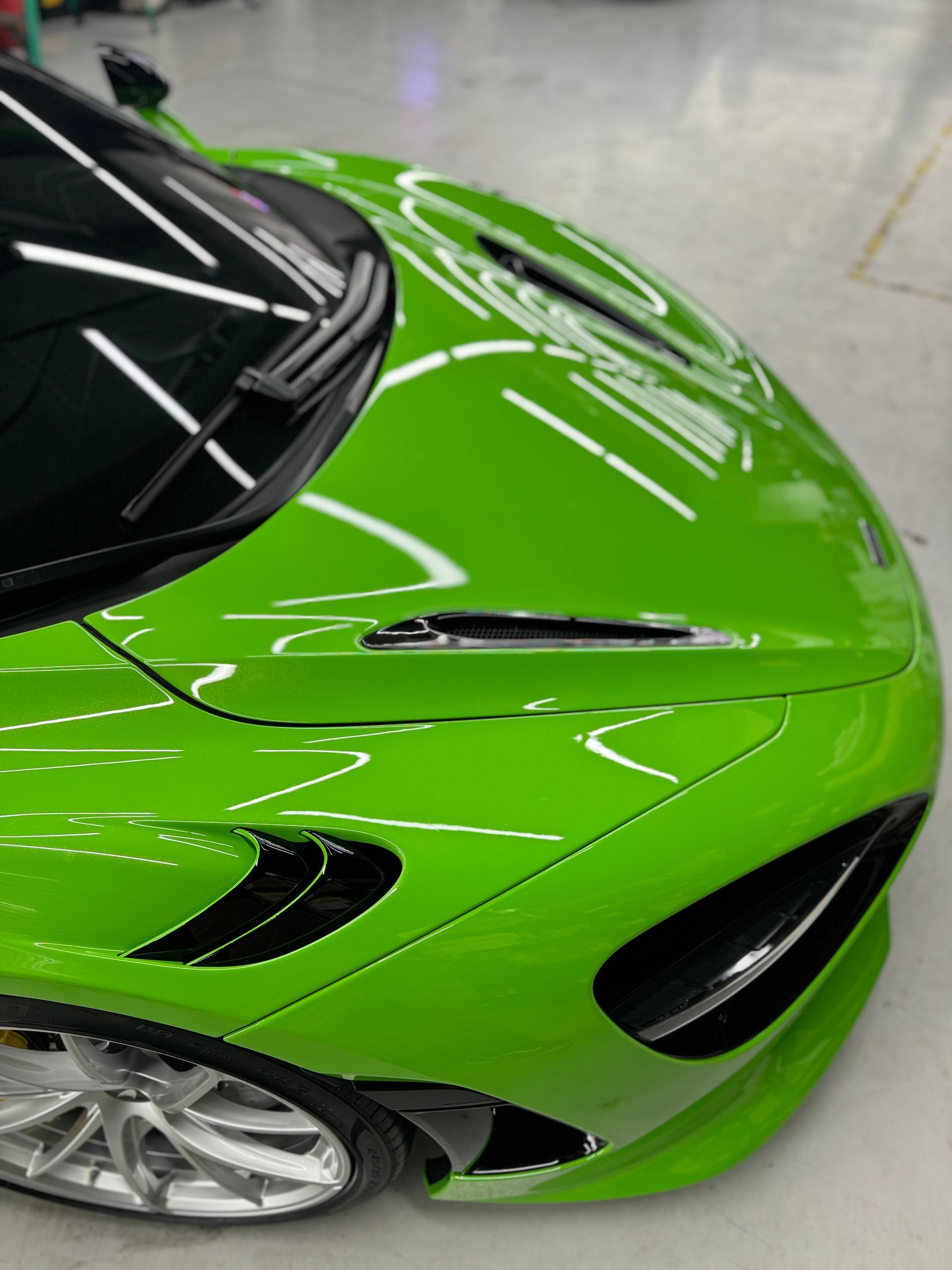
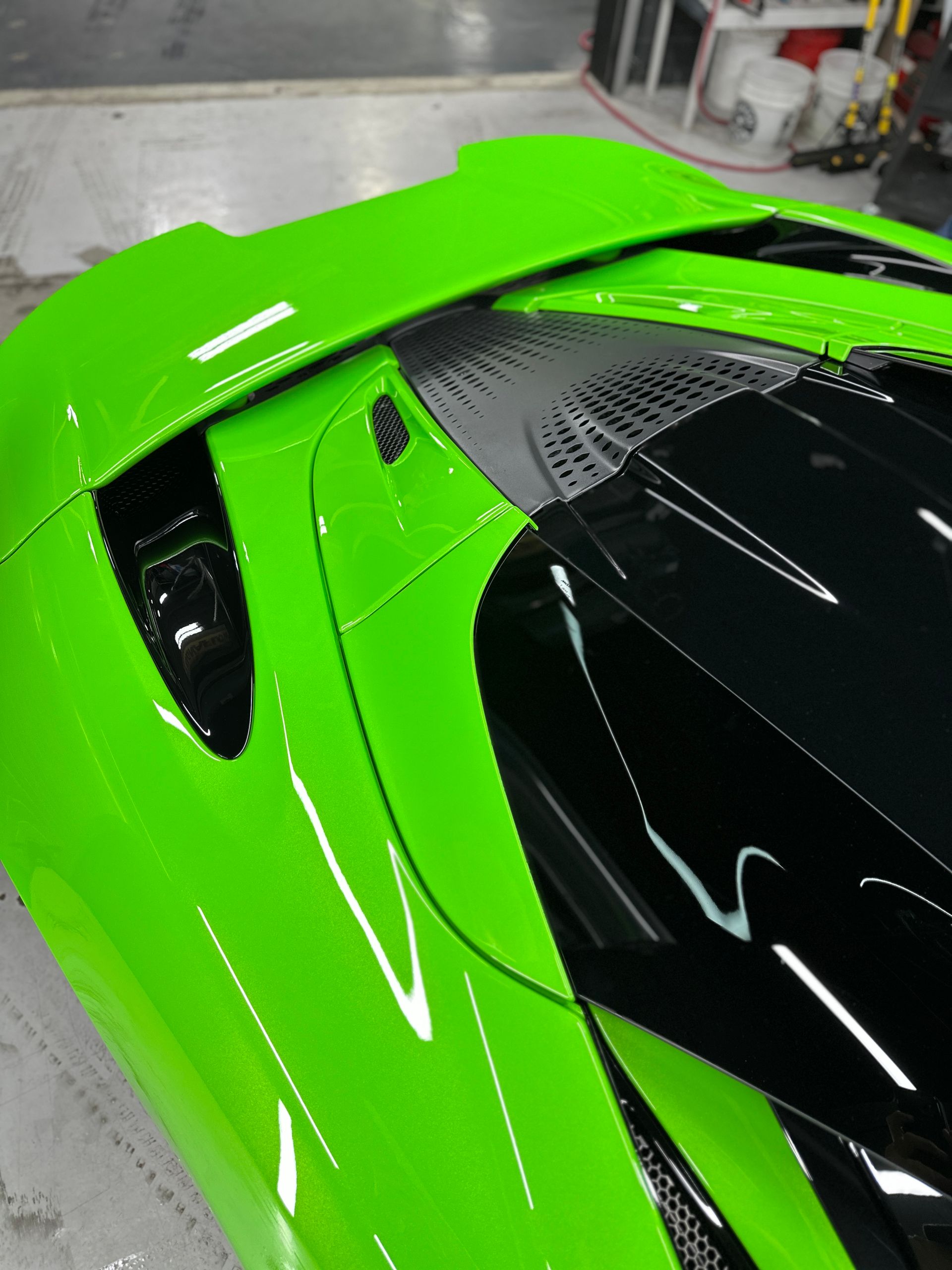
Quality PPF installation should be nearly invisible. A well-applied film follows the vehicle's body lines precisely, with no bubbles, no trapped debris, no lifting edges, and no visible seams unless you are specifically looking for them. This level of craftsmanship reflects not just technical skill but a consistent, careful approach to every vehicle that comes through the shop.
Visiting an installer's shop or showroom to inspect completed work in person is one of the most effective ways to assess quality. Photographs can be selected and edited; what you see in front of you cannot. Look at how edges sit against body panels, whether the surface is clear and uniform, and whether cutlines around details like door handles and mirrors are clean and precise.
Ask about warranties and aftercare before making a decision. A reputable installer who is confident in their work will offer a warranty covering issues like yellowing, peeling, and cracking. Warranty terms of up to ten years are common among quality installers, and that kind of guarantee reflects genuine confidence in both the product and the application. Post-installation support matters just as much. Ask whether the installer offers follow-up checks, how they handle warranty claims, and what their response time looks like if an issue comes up. Installers who stand behind their work over time are always worth choosing.
Making the Right Choice
Choosing the right PPF installer comes down to doing the work upfront. Research your options thoroughly, evaluate experience and credentials carefully, inspect actual work before committing, and pay close attention to how installers treat you throughout the process. The right professional will not only protect your car's finish but will also give you confidence that your investment was made wisely.
At Automotive Specialty Wraps in Glen Rock, NJ, our IDA-certified team brings that standard to every vehicle we work on. Whether you are looking for full-body PPF coverage, a targeted installation on high-impact areas, or honest guidance on which option fits your goals best, we are here to help.
Contact us today to schedule a consultation and find out what your vehicle deserves!