Selling a used car comes down to first impressions. Buyers who walk up to a vehicle that looks dirty, worn, and neglected assume the mechanical condition matches what they see on the surface. Buyers who see a clean, polished vehicle with a fresh interior assume the opposite. That single impression can add real dollars to your final sale price, and it costs a lot less than most sellers realize. Understanding how to detail your car before selling it the right way is the difference between a quick sale at your asking price and weeks of lowball offers while the car sits. This guide covers the professional detailing steps that make the biggest difference for resale value, from exterior work to interior cleanup to the finishing touches that separate a well-cared-for car from an average one.
Why First Impressions Matter to Buyers
Used car buyers make judgments in seconds. They look at the paint condition, the interior cleanliness, the wheels, and the smell of the cabin before they even ask about mechanical details. A vehicle that reads as well-maintained helps them mentally justify the asking price. A vehicle that reads as neglected makes them wonder what else was ignored.
What buyers typically evaluate in the first minute:
- Paint gloss and any visible surface defects
- Wheel condition and how clean the tires look
- Interior smell as soon as they open the door
- Dashboard, seats, and carpet condition
- Overall sense of care shown to the vehicle
A professional detail addresses all of these at once. The
full detailing packages available at ASW hit every one of these buyer concerns in a single appointment. For sellers hoping to present the car at its best before listing, that thorough approach can matter.
How to Detail Your Car Before Selling It: The Process
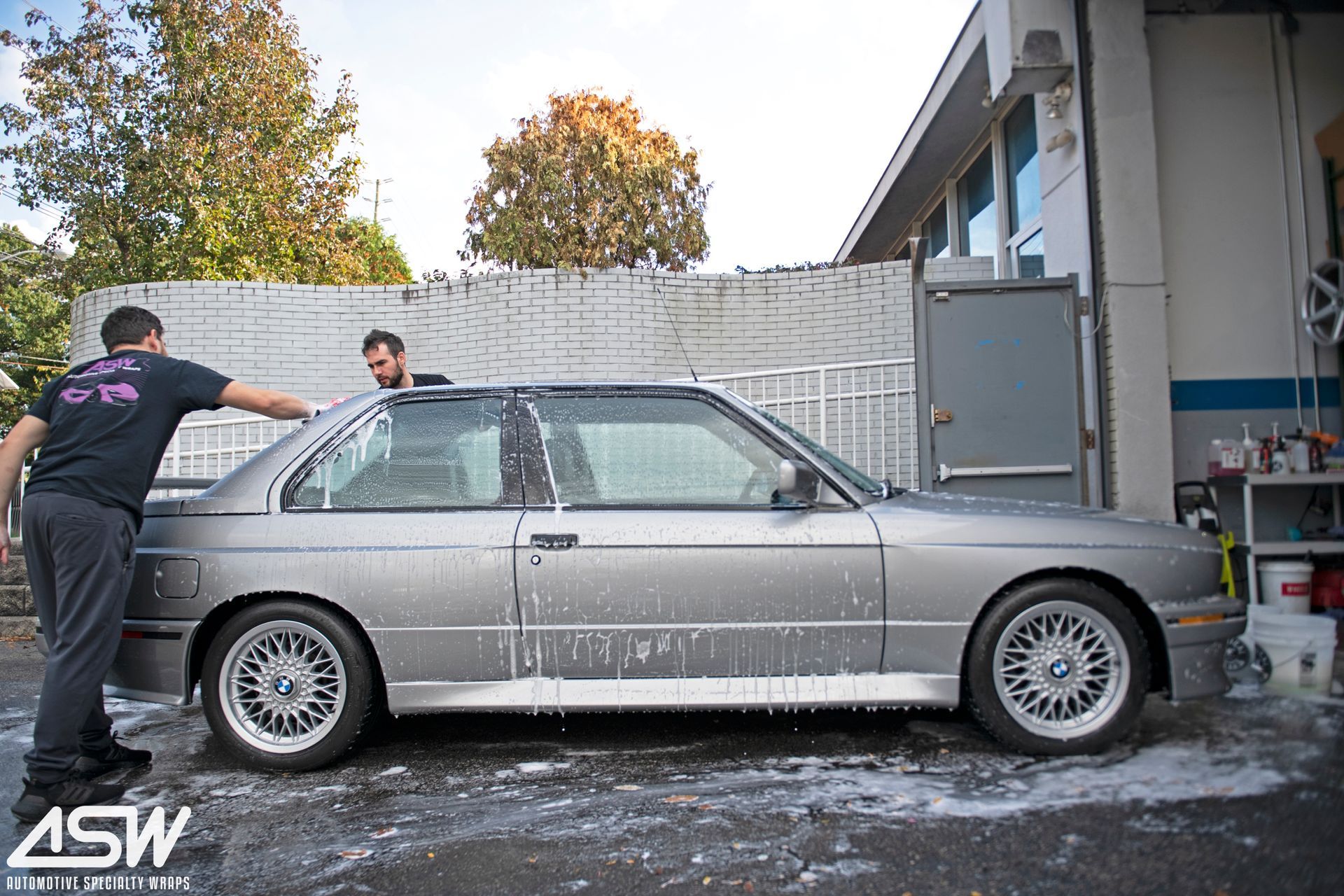
Understanding how to detail your car before selling it starts with the same steps professional detailers use for any full detail. The process for a pre-sale car doesn't cut corners just because the owner is about to hand off the keys. If anything, it goes tighter because a buyer is evaluating everything.
The core steps in a pre-sale detail:
- Wheels and tires washed first to prevent cross-contamination
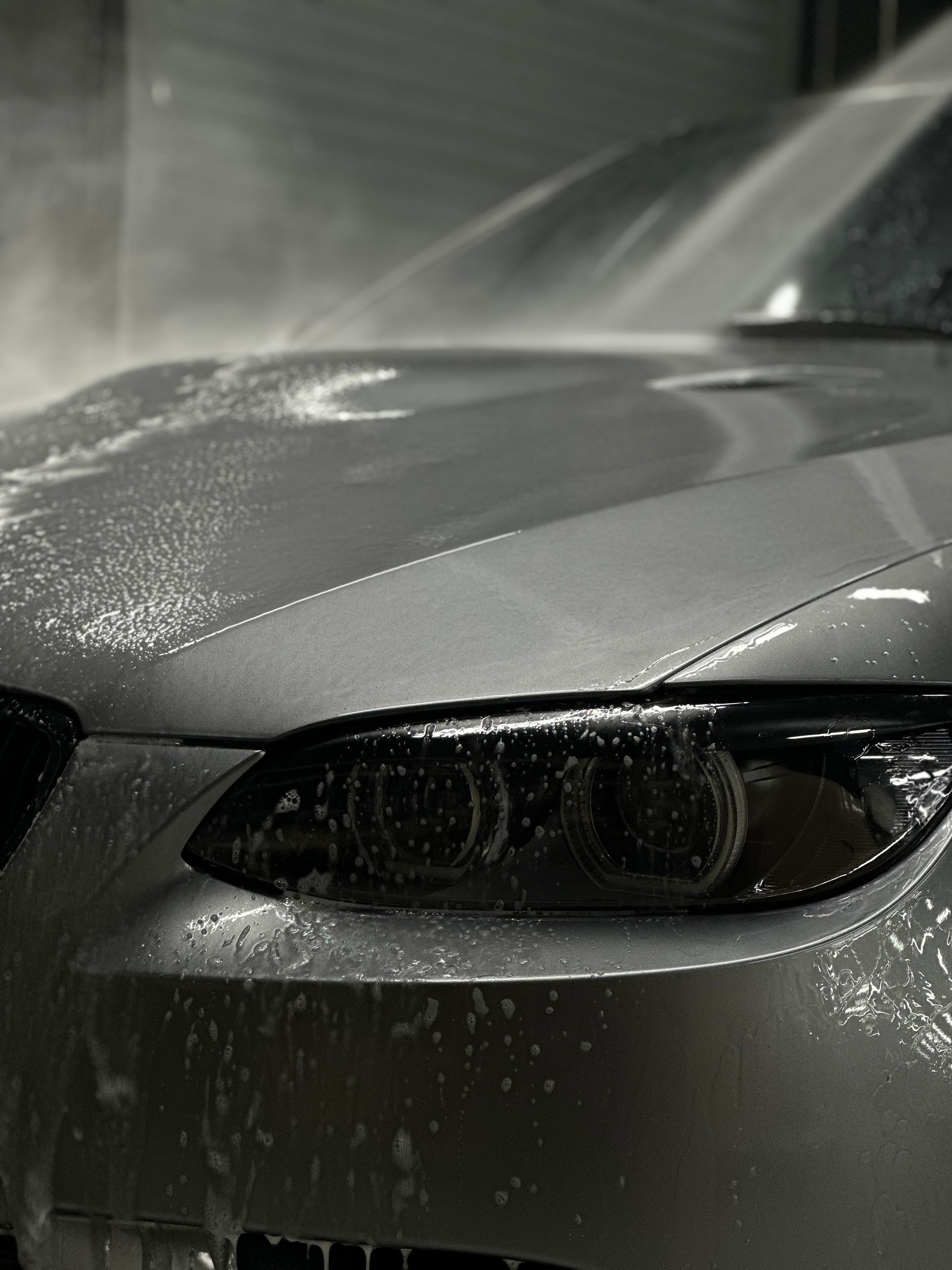
- Exterior hand wash with a two-bucket approach
- Paint decontamination to remove bugs, tar, and buildup
- Clay-bar work to lift bonded contaminants from the paint
- Paint sealant applied for a lasting shine
- Full interior vacuum, wipe-down, and material care
- Glass cleaning inside and out for streak-free clarity
The process typically finishes with a final quality check so nothing gets missed before the vehicle goes back to the owner. Every visible surface should hold up to a buyer walking around the car with a critical eye.
Exterior Cleaning and Paint Enhancement
Exterior work is what buyers see first from across the parking lot. A paint job that's been decontaminated, clayed, and sealed catches light differently than one that hasn't. Even the same color looks dramatically different depending on how the paint has been prepped.
Where exterior work delivers for resale:
- Paint depth and gloss that reads clean from any angle
- Removal of light swirl marks and dullness
- Clean wheel wells and door jamb areas
- Restored tire appearance with dressing applied
- Clean glass and mirrors that don't distract from the car
For paint that's showing swirl marks, oxidation, or dulling, paint correction services go a step further than standard detailing. Cutting and polishing the clear coat removes the surface defects that make older paint look tired. On a vehicle you're selling, that step alone can change how the whole car reads to potential buyers.
Interior Detailing: Where Buyers Actually Focus
Buyers spend more time examining the interior than checking the outside. They sit in the driver's seat, feel the dash, check the door pockets, and smell the cabin air. Interior condition often matters more than exterior condition in the actual buying decision.
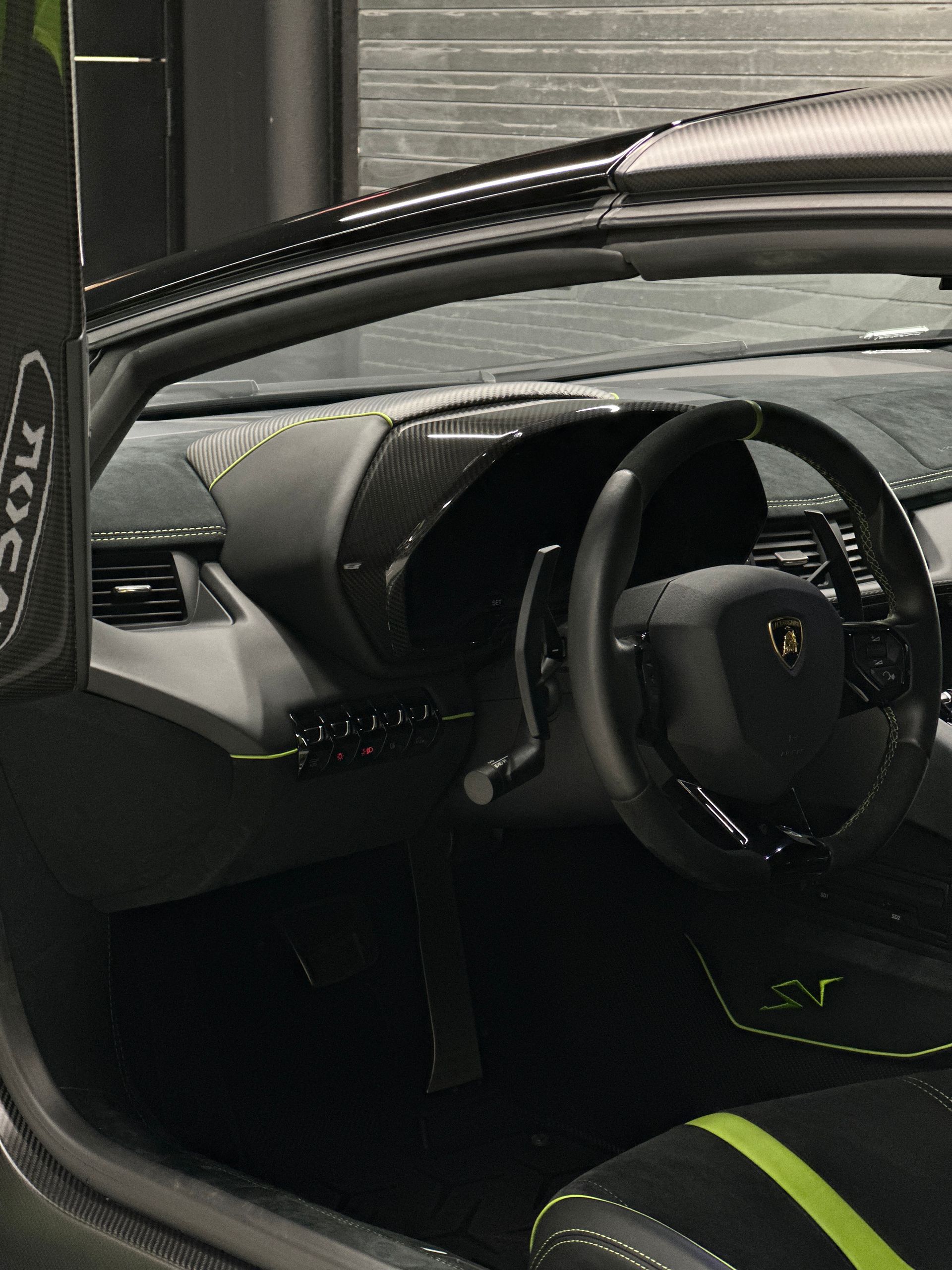
Interior detailing typically includes:
- Full vacuum of carpets, floor mats, and seat cracks
- Steam cleaning of stained upholstery where needed
- Wipe-down of dashboard, console, and door panels
- Leather conditioning to restore softness and appearance
- Plastic and vinyl protection to reduce dust and fading
For buyers checking a used vehicle, a clean interior signals attentive ownership. The team at Automotive Specialty Wraps handles interior detailing as part of the full detail packages, giving your car a cabin that shows well the moment the buyer opens the door.
Protective Services That Add Value
Some sellers stop at basic cleaning, but adding protective services before listing can push the perceived value even higher. Buyers who see recent paint protection or ceramic coating paperwork often view it as a sign of ongoing care, which can shift how they evaluate the whole vehicle.
Protective services worth considering before sale:
- Ceramic coating for extended paint protection and gloss
- Paint protection film for exposed panels like the front bumper
- Leather conditioning and plastic protection for interior surfaces
- Fresh tire dressing and wheel finish protection
For higher-value vehicles,
ceramic coating packages can meaningfully change the presentation. The paint stays looking freshly detailed for weeks rather than dulling quickly. That extended shine is what buyers see when they arrive for the test drive.
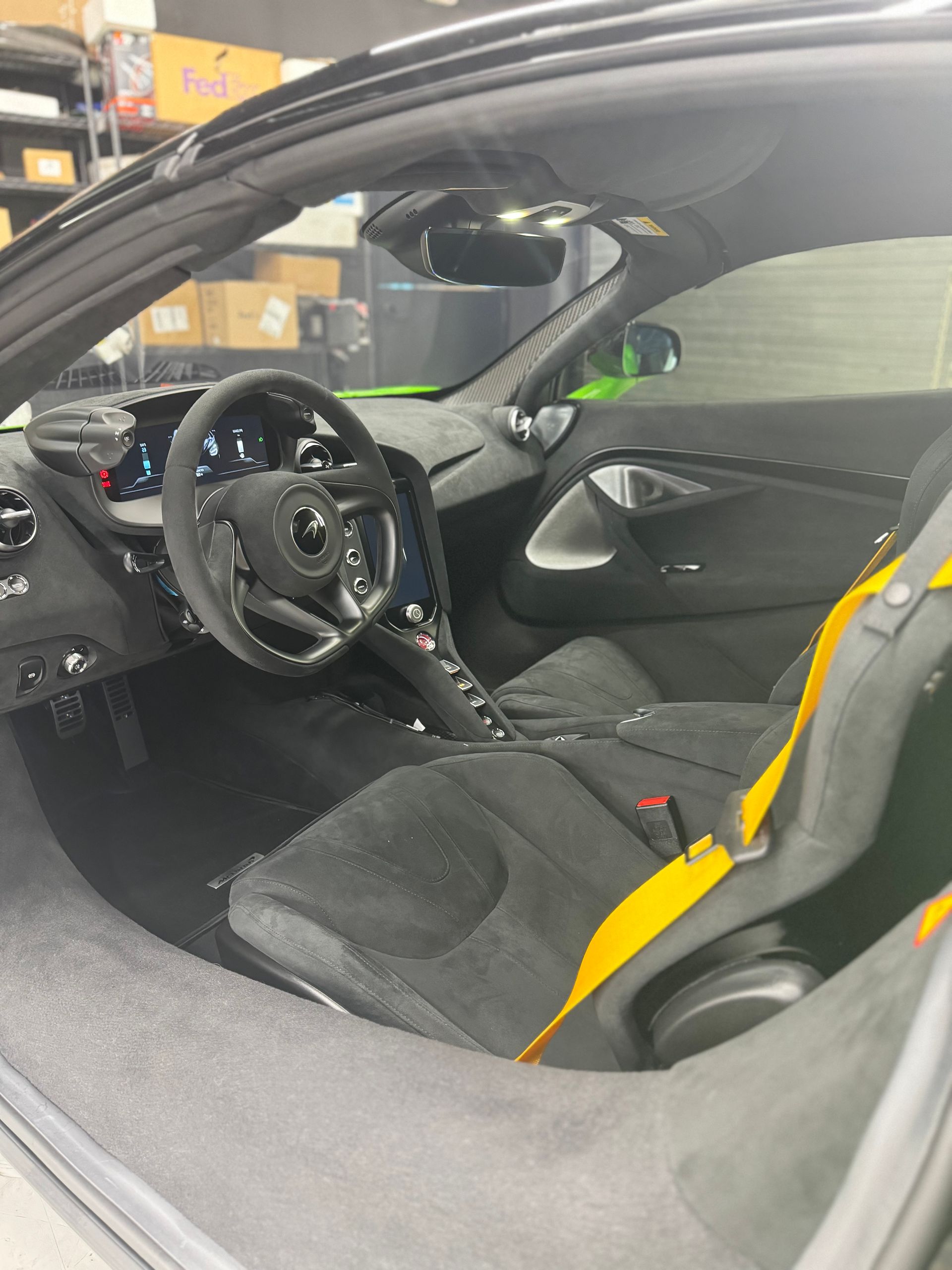
Book a Pre-Sale Detail
Getting your car ready to list for sale? The full-service detailers at Automotive Specialty Wraps handle everything from exterior wash and paint work to interior cleaning and protective coatings. Whether you're selling a daily driver or moving on from a specialty build, understanding how to detail your car before selling it the right way starts with a proper appointment before the car goes up for sale. Book your appointment and give buyers a strong first impression from the moment they walk up.
Frequently Asked Questions
Does professional detailing really increase the sale price of a used car?
Generally yes. A vehicle that presents well tends to sell for closer to asking price and moves off the market faster. A proper detail helps address the aspects buyers judge in the first minute of seeing the car. Buyers often make mental deductions for perceived poor care, and a proper detail removes those deductions before the car goes up for sale.
How soon before listing should I detail my car?
Ideally within a few days of when you plan to list. The car looks its best right after the appointment, and photos taken shortly after detailing show the vehicle at peak presentation. If you list too far in advance, the exterior may pick up dust and road grime before buyers actually come to see it. Timing the detail close to listing maximizes the impact.
What kind of detail should I get before selling my car?
A full detail with both exterior and interior work makes the biggest difference. Basic exterior wash alone leaves the inside looking neglected, and interior-only work leaves buyers seeing dull paint from the driveway. A complete package that hits both, along with paint correction if the paint needs it, delivers the strongest presentation for potential buyers.
Do I need paint correction if I'm selling my car?
That comes down to the paint's condition. If the vehicle has visible swirl marks, dullness, or minor surface defects, paint correction significantly improves the appearance and can change how buyers perceive the whole vehicle. For paint that's already in good shape, standard detailing may be enough. A shop can assess the paint and advise which approach fits your specific vehicle.
Is ceramic coating worth doing on a car I'm about to sell?
For a quick sale, standard detailing typically covers what you need. For a specialty vehicle or high-end car where the buyer values documentation of ongoing care, ceramic coating adds a meaningful selling point. It also keeps the car looking freshly detailed longer if the sale takes several weeks, which happens with higher-value vehicles that need more time to find the right buyer.