Does Ceramic Coating Prevent Rust? Understanding What It Actually Protects
Rust is one of those problems that hits harder the longer it's ignored. Once corrosion sets in, it spreads underneath the paint, undermines the metal, and eventually shows up as bubbling or flaking on the surface. Given how much ceramic coating gets pitched as a paint protection solution, it's fair to ask whether it also stops rust from forming in the first place. The short answer requires some unpacking. This guide explains what ceramic coating actually does, what it doesn't do, and how it fits into a broader picture of vehicle care that includes corrosion repair when needed. If you're asking, does ceramic coating prevent rust, the honest answer starts with understanding what ceramic coating protects and what it can't touch on your vehicle.
What Ceramic Coating Actually Does
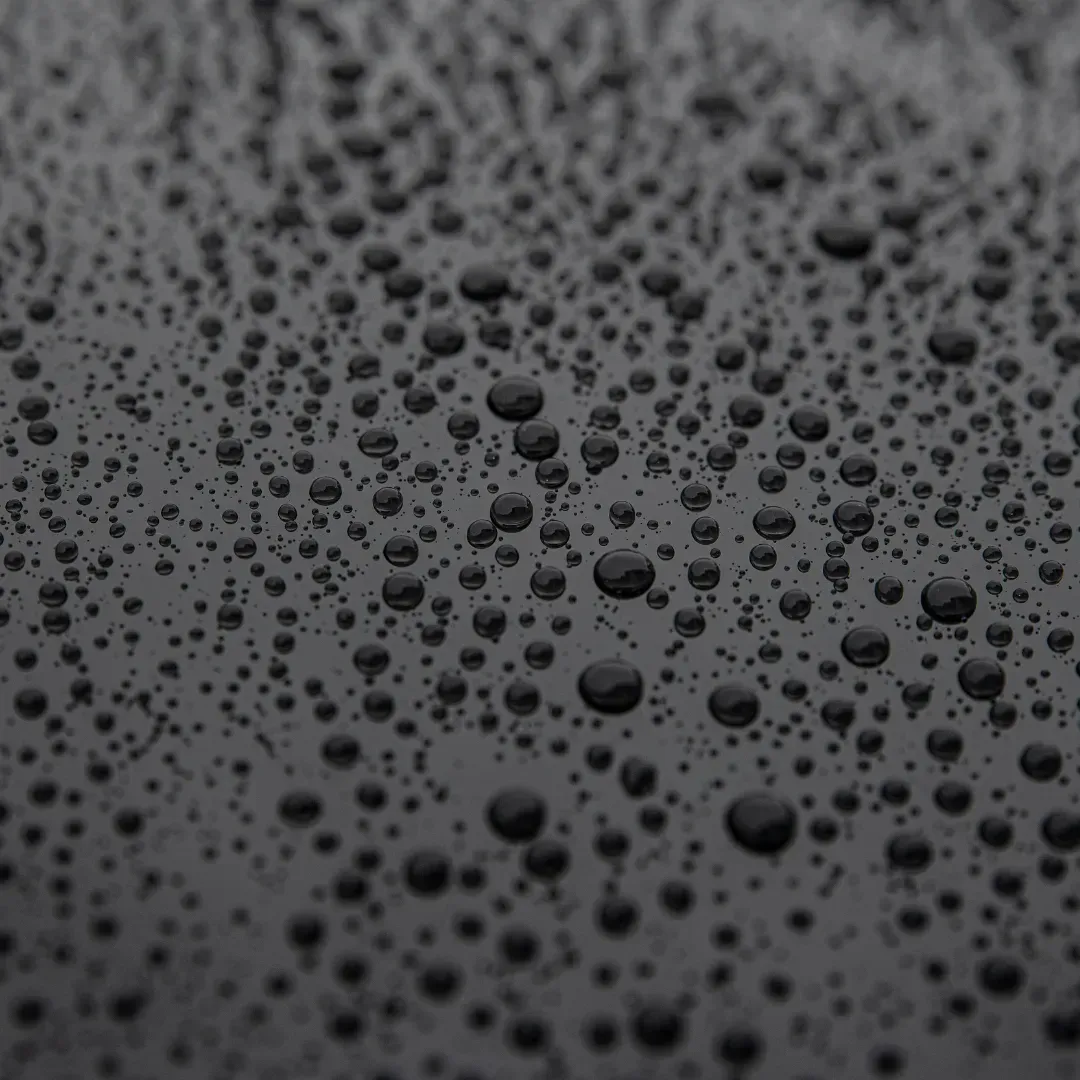
Ceramic coating creates a chemical bond with your vehicle's clear coat. Once applied, it produces a water-repelling finish that liquids and solids struggle to stick to. Water beads up and rolls right off. Contaminants like rain, dirt, mud, road grime, and tar barely stick to the vehicle. This isn't just a cosmetic improvement; it's real protection for the paint over years of driving.
What ceramic coating protects:
- Paint gloss and depth of color
- Clear coat from contaminant staining and buildup
- Vehicle's exterior appearance over years
- Surface hydrophobicity that keeps washing simple
- The outer protective portion of the paint system
Products like the
Gtechniq ceramic options create a durable, long-term bond with your vehicle's paint rather than sitting on top like wax. That distinction matters when you're thinking about rust because it tells you exactly where the protection lives on the vehicle.
Does Ceramic Coating Prevent Rust? Setting Realistic Expectations
Here's the honest answer: does ceramic coating prevent rust directly? Not exactly. Ceramic coating protects your paint and clear coat, which are the outermost layers of your vehicle's finish. Rust happens when moisture and oxygen reach bare metal underneath. If the metal is already exposed or corrosion has started, a ceramic coating doesn't stop it from spreading. What ceramic coating can do is reduce your paint's exposure to the contaminants that eventually break down the paint's integrity, which can be one of the first steps toward rust getting a foothold on your vehicle.
Where ceramic coating helps indirectly:
- Blocks water from sitting on paint for extended periods
- Prevents contaminant buildup that can degrade the finish over time
- Reduces environmental damage that weakens clear coat integrity
- Makes washing easier so grime doesn't accumulate on the paint
- Keeps the paint system working longer, which shields the metal
For full-coverage ceramic coating packages that address the whole exterior, this indirect protection can add up over time. But it's not a rust prevention product in the strict sense.
What Rust Actually Needs
To understand why ceramic coating alone can't prevent rust, you need to know what causes rust in the first place. Rust happens when iron in the vehicle's metal reacts with moisture and oxygen. This is chemical corrosion, not something a surface layer can stop once it starts underneath the paint.
For rust to happen on a vehicle, you need:
- Bare metal exposed to air
- Moisture reaching the metal surface
- Oxygen access to complete the reaction
- Time for corrosion to develop and spread
Once these conditions exist, the fix requires actual repair work: sanding the corrosion out, priming the bare metal, and repainting the affected area. No coating applied over rusted or exposed metal will reverse the damage or stop the spread of corrosion happening underneath. This is why realistic expectations matter when deciding whether ceramic coating is the right next step for your vehicle.
How Ceramic Coating Fits into Rust Prevention Indirectly
Even though ceramic coating doesn't stop rust directly, it does help maintain the paint system that keeps moisture off the metal. That's not nothing. Think of it as one layer in a broader maintenance approach rather than a standalone rust solution.
A ceramic coating's contribution to long-term corrosion resistance:
- Keeps moisture from sitting on paint surfaces during rain or snow
- Reduces the buildup of road salt and grime that can etch paint over time
- Maintains clear coat integrity longer against environmental exposure
- Makes it easier to clean the vehicle regularly, which itself helps prevent buildup
- Slows the general degradation of paint that can eventually expose metal
Vehicles kept in proper condition with regular paint work and quality protection typically avoid the paint failures that lead to rust. Ceramic coating supports that outcome without being the whole answer by itself.
Why Ceramic Coating Isn't a Corrosion Repair
The most important thing to understand is that ceramic coating is not a fix for existing rust or corrosion. Applying it over rusted metal, chipped paint that exposes metal, or damaged clear coat just seals problems in without addressing them.
Signs that ceramic coating isn't the right first step:
- Visible rust bubbles or spots on the paint
- Rock chips or dings that expose bare metal
- Deep surface defects that reach through the clear coat
- Chipped paint on high-impact areas like the front bumper
- Existing corrosion around wheel wells or undercarriage
For vehicles with existing damage, the sequence matters: fix the damage first, then apply ceramic coating to protect the freshly repaired paint. Skipping the repair step and going straight to ceramic just locks in the underlying issue.
Automotive Specialty Wraps offers consultation before booking so ceramic coating goes on paint that's ready for it.
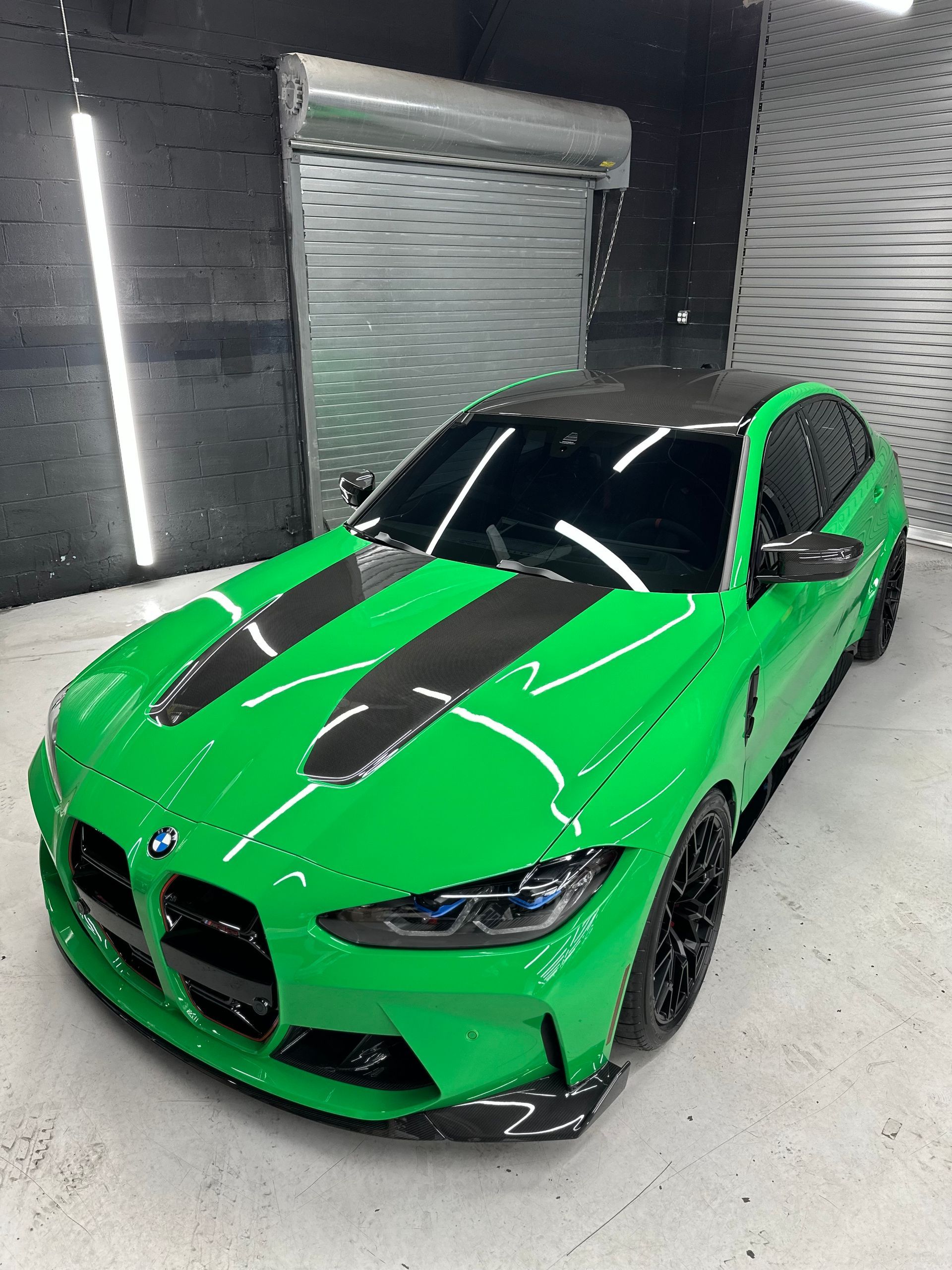
Book Your Ceramic Coating Appointment
Wondering if a ceramic coating fits into your rust prevention plan? The team at Automotive Specialty Wraps installs ceramic coatings that protect the paint and clear coat, extending the life of your finish so the underlying paint stays intact longer. If you're asking does ceramic coating prevent rust and want an honest answer for your specific situation, the team can walk through what your vehicle actually needs and whether ceramic makes sense as part of the plan. Reach out to schedule a conversation about your vehicle and what protection makes sense for your situation.
Frequently Asked Questions
Is it safe to apply ceramic coating on top of rust?
No, applying ceramic coating over rusted areas doesn't work as a solution. The rust continues to spread underneath the coating, and any protection the ceramic provides is compromised by the damage below. Existing rust needs to be repaired first through sanding, priming, and repainting the affected area. Only after that repair work is done can ceramic coating provide the intended protection for the restored surface.
Does ceramic coating work on paint that has been touched up?
Yes, ceramic coating works on freshly painted surfaces once they have properly cured. The coating bonds with the clear coat, and it doesn't distinguish between original factory paint and quality touch-up work as long as the surface is properly prepared. Talk to your installer about how long to wait after touch-up before applying ceramic, as fresh paint needs time to fully cure before any coating goes on.
Will ceramic coating help protect my vehicle from road salt?
Yes, ceramic coating produces a water-repelling finish that makes it harder for road salt to stick to the paint. This means salt washes off more easily during regular cleaning. However, this isn't the same as rust prevention. Salt that reaches exposed metal through chips or damage can still cause corrosion. Keeping the paint intact through washing and coating is the indirect benefit.
What is the typical lifespan of a ceramic coating?
A ceramic coating on your vehicle can usually last several years, depending on the type of ceramic coating used and how well you maintain it with regular detailing appointments. The environmental conditions your vehicle is exposed to also play a role in the longevity. Facing New Jersey weather regularly can impact any ceramic coating your vehicle has. Generally, with good care, a ceramic coating can keep your vehicle looking great for several years.
Should I get paint correction before ceramic coating?
Yes, in most cases. Any surface defects like swirl marks or oxidation need to be addressed before ceramic coating goes on, otherwise those imperfections are locked in under the coating. Paint correction fixes these issues so the ceramic bonds to a smooth, clean surface. The two services work together as one process for the best long-term protection on your vehicle.