The Role of Detailing in Long-Term Car Maintenance: A Complete Vehicle Care Guide
GET A FREE ESTIMATETaking care of a vehicle goes far beyond routine oil changes and tire rotations. Every surface, from the clearcoat on the hood to the leather on the seats, is exposed to forces that gradually wear it down over time. Professional detailing is one of the most effective, and often underestimated, forms of vehicle maintenance available to car owners. For drivers in Glen Rock, NJ and the surrounding area, a consistent detailing routine can be the deciding factor between a vehicle that holds its value and one that deteriorates well before its time.
Why Detailing Matters for Long-Term Vehicle Health
Detailing is a comprehensive care process that addresses every surface of a vehicle, inside and out. Dirt, grime, UV exposure, road salt, and airborne pollutants work quietly but continuously against your vehicle's paint, metal components, and interior materials. Without regular protection and cleaning, these elements accelerate the aging process in ways that go far deeper than cosmetic wear.
The exterior paint is one of the first areas to show neglect. UV rays cause oxidation that dulls the finish and weakens the clearcoat over time. Road salt, particularly relevant during New Jersey winters, corrodes metal components and accelerates rust formation if not properly removed. Regular waxing, polishing, and protective coating applications create a barrier that slows these processes considerably, keeping paint looking vibrant and structurally sound for longer.
The undercarriage is equally vulnerable and far more commonly neglected. Salt and grime accumulate in areas that are rarely visible, quietly working away at the chassis and suspension components. Thorough undercarriage cleaning as part of a professional detailing service removes these corrosive materials before they can cause lasting structural damage. This is especially important in northern New Jersey, where road salt is applied heavily throughout the winter season.
Engine bay cleaning also contributes meaningfully to overall vehicle health. A clean engine bay improves heat dissipation, makes it easier to identify leaks or worn components during routine inspections, and signals a history of careful maintenance when it comes time to sell.
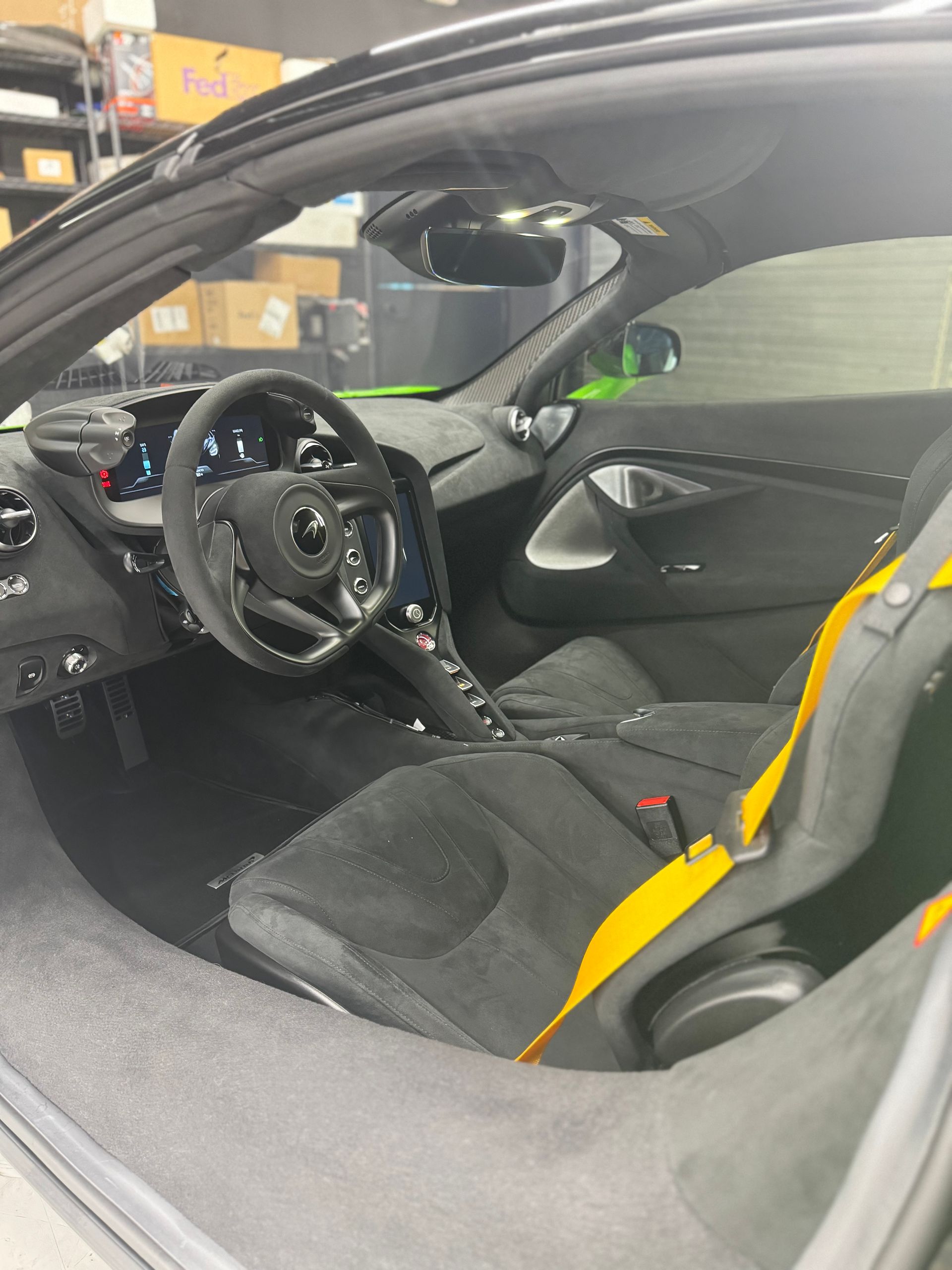
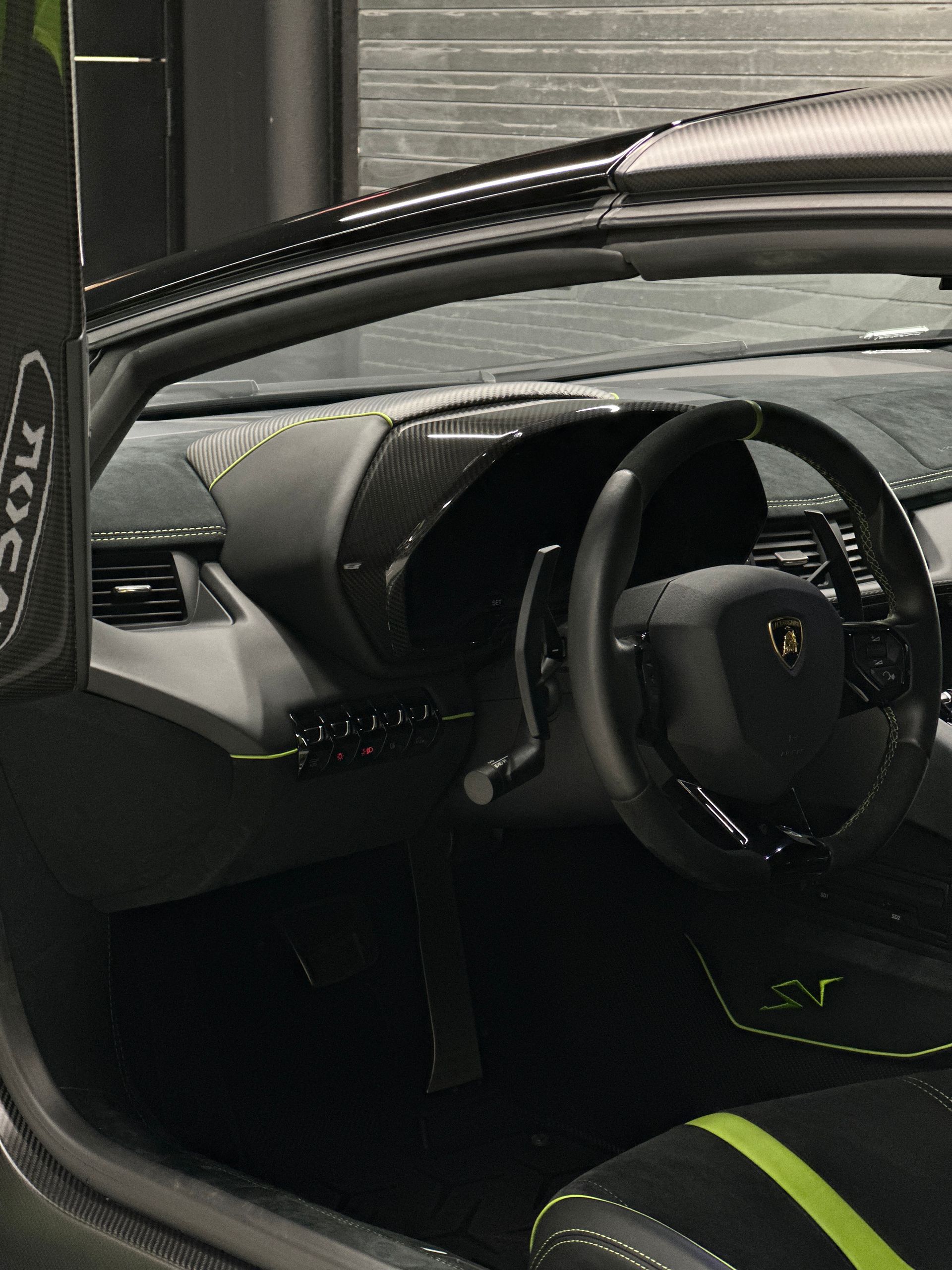
Interior detailing is just as critical as exterior work, though it often goes overlooked. Sunlight slowly degrades dashboards, vinyl panels, and upholstery through UV exposure. Dust, debris, and spills work their way into carpet fibers and seat materials, breaking them down over time. Professional interior detailing addresses these issues at the source, using specialized conditioners, UV-blocking treatments, and steam sanitization to restore and protect surfaces rather than simply masking surface-level grime.
Comprehensive Detailing Services: What to Expect
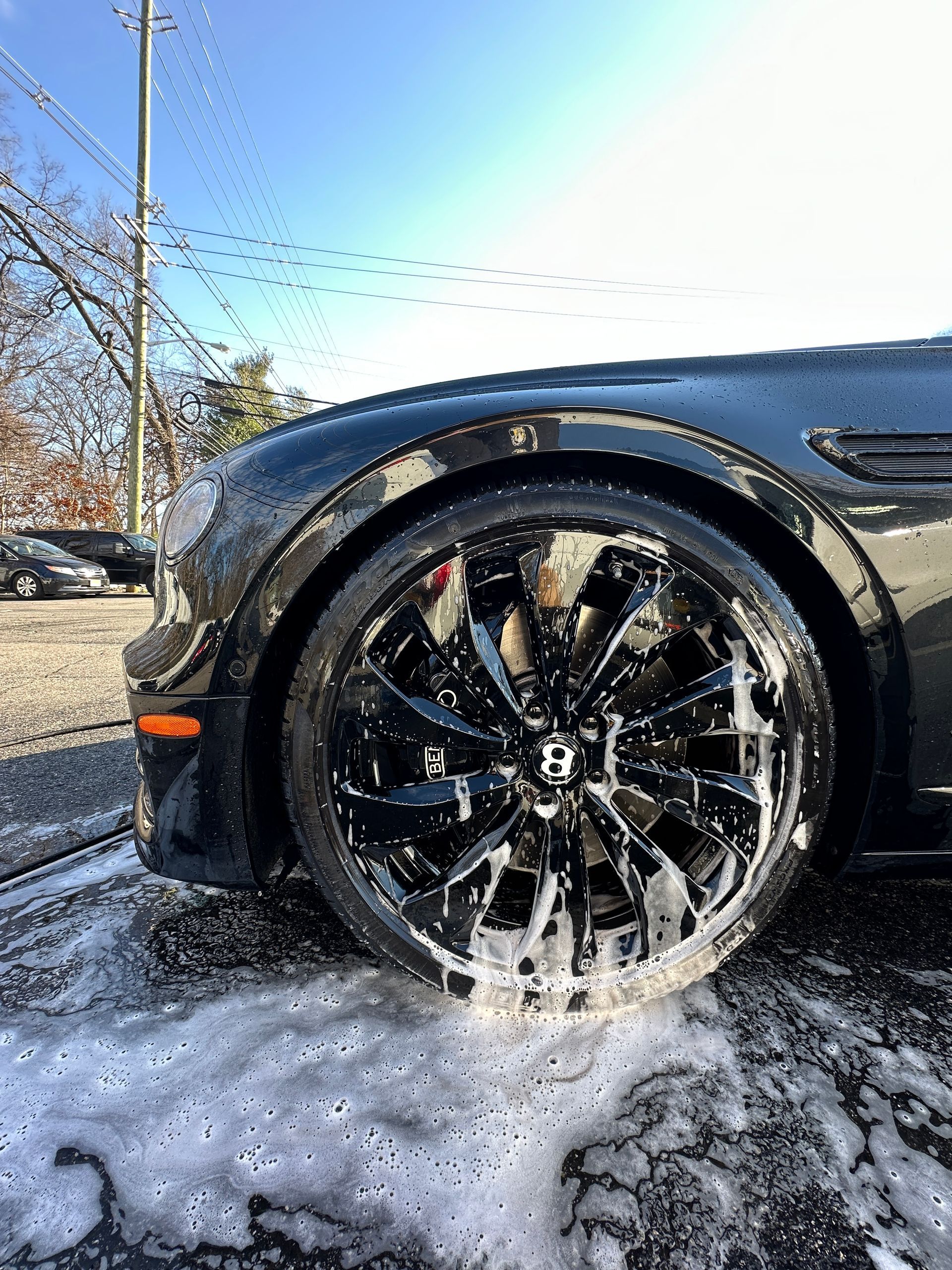
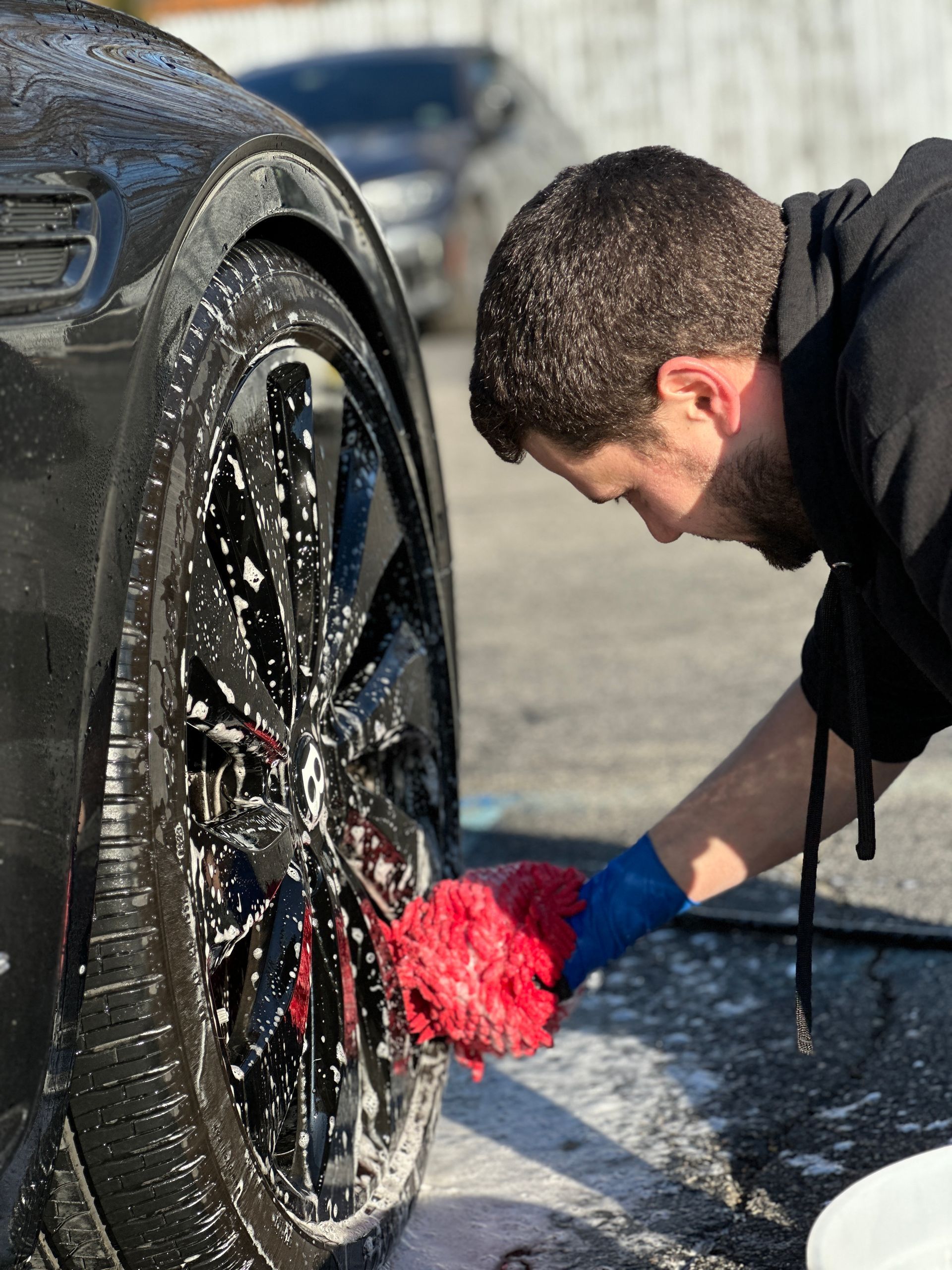
A professional detailing session is a multi-step process designed to treat every part of the vehicle with precision. Each stage builds on the last, working together to clean, restore, and protect from the ground up. The process typically begins with a pre-wash to remove loose surface contaminants before any contact washing takes place. This step protects the paint from being scratched by debris during the main wash. A thorough wash using pH-neutral products and soft microfiber tools follows, cleaning every panel, crevice, and surface without harming the finish or stripping any existing protective coatings.
From there, a clay bar treatment removes embedded contaminants that a standard wash cannot reach. Industrial fallout, tree sap, rail dust, and other particles bond to the clearcoat over time and create surface roughness that interferes with polishing and coating adhesion. Clay bar treatment leaves the paint smooth, clean, and properly prepared for the stages that follow.
Polishing comes next, targeting minor scratches, swirl marks, and areas of oxidation that have developed on the surface. This step restores depth and clarity to the paint and, when done correctly, brings back the kind of vibrancy that makes a vehicle look significantly newer than its age.
Sealing or waxing follows polishing, applying a protective layer that shields the freshly refined paint from UV rays, moisture, and environmental contaminants. Sealants offer longer-lasting chemical bonding protection, while waxes deliver a rich gloss and enhanced water-beading properties. Many professional detailers apply both in combination to take advantage of the strengths of each.
Interior detailing runs parallel to the exterior process and includes thorough vacuuming, carpet and upholstery shampooing, panel wipe-downs, and conditioning of leather or vinyl surfaces. UV-protectant treatments are applied to dashboards and interior trim to prevent cracking and fading. Steam sanitization eliminates bacteria and odors from deep within fabric fibers rather than simply masking them.
The process concludes with a final inspection under direct lighting, reviewing every panel and surface for missed spots, streaks, or residue. A finishing detail spray is typically applied as a last step to lock in the results and leave the vehicle with a clean, consistent appearance throughout.
Paint Protection Options for Long-Term Defense
Beyond regular detailing, there are several protective solutions that extend the life of a vehicle's finish significantly. Understanding the differences between these options helps vehicle owners make informed decisions based on their driving habits, local conditions, and long-term goals.
- Ceramic coatings: They represent one of the most advanced and durable forms of paint protection currently available. These coatings bond chemically to the paint surface, forming a hard, hydrophobic layer that repels water, dirt, road grime, and chemical contaminants. Unlike traditional waxes that degrade over weeks or months, ceramic coatings are designed to last for years with proper care. They also make routine cleaning considerably easier by reducing how strongly contaminants adhere to the surface.
- Paint protection film (PPF): They offer a different form of defense, targeting physical impact rather than chemical or environmental exposure. Applied as a transparent, flexible layer to high-impact areas such as the hood, bumpers, mirrors, and door edges, PPF absorbs rock chips, scratches, and minor road debris before they can reach the paint beneath. Many modern films also feature self-healing properties, allowing light surface scratches to disappear with heat exposure. PPF is a particularly valuable investment for vehicles driven frequently on highways or roads where debris contact is more common.
- Sealants and Waxes: They remain effective and accessible options for drivers who want reliable paint protection as part of a regular maintenance schedule. Sealants provide a chemically bonded protective layer with solid durability and gloss enhancement, while waxes offer a warm, deep shine with strong water-beading results. Both require more frequent reapplication than ceramic coatings but integrate well into routine detailing sessions.
When these protective layers are combined and maintained consistently, they form a comprehensive defense system that slows oxidation, resists rust, and keeps a vehicle's finish looking its best for significantly longer than untreated paint.
Maintaining Your Vehicle Between Detailing Sessions
A professional detail is not a one-and-done solution. The results of a thorough session are only as lasting as the maintenance habits that follow. Consistent, gentle care between appointments is what allows protective coatings and conditioning treatments to perform at their full potential.
A light weekly wipe-down using a quality detailing spray and a clean microfiber cloth is one of the simplest and most effective habits a vehicle owner can develop. This prevents surface contamination from accumulating and reduces the frequency of intensive cleaning sessions needed over time. It also protects existing coatings from being degraded by prolonged exposure to bird droppings, tree sap, or road salt, all of which can etch into the clearcoat within hours if left unaddressed.
Product selection matters as much as frequency. Using pH-balanced, coating-safe products designed for detailed surfaces protects the layers that have already been applied. Harsh detergents and abrasive brushes can degrade ceramic coatings and strip wax protection, undermining the value of professional work. The same logic applies to drying: soft microfiber towels applied with care prevent the micro-abrasions that lead to swirl marks and dull paint over time.
Interior upkeep follows similar principles. Regular vacuuming, prompt attention to spills, and occasional conditioning of leather and vinyl surfaces go a long way toward preserving the work done during a professional session. Most vehicle owners benefit from scheduling professional detailing at least twice a year, with more frequent sessions recommended for vehicles exposed to harsh conditions such as heavy winter driving.
Protecting Your Investment in Glen Rock, NJ
A vehicle is one of the most significant investments most people make, and detailing is one of the most reliable ways to protect that investment over time. The cumulative effect of consistent care, from paint correction and ceramic coating to interior conditioning and undercarriage cleaning, is a vehicle that retains its appearance, performance, and resale value far longer than one left without attention.
At Automotive Specialty Wraps, we are Glen Rock, NJ's IDA-certified vehicle detailing and paint enhancement team. Whether your vehicle needs a
full interior and exterior detail, we bring the knowledge and dedication to get the job done right. We are not looking to be the cheapest or the most expensive option in the area. We charge what is fair for both the business and our customers, and we welcome any vehicle owner who trusts us with their ride. Once we get our hands on your vehicle, we guarantee it will shine with a showroom-quality look like never before.
Contact us today!