Window Tint Enhances Your Car's Appearance: Benefits, Style, and Protection Explained
GET A FREE ESTIMATEHave you ever noticed how something as simple as tinted windows can completely change the way a car looks and feels? Window tinting is one of those upgrades that works on multiple levels at once, pulling together a vehicle's style while delivering real, everyday benefits. From cutting down on glare to protecting your interior, the right tint does far more than most drivers expect. At Automotive Specialty Wraps in Glen Rock, NJ, window tinting is one of the services we bring to vehicle owners who want both form and function from a single investment.
How Window Tint Transforms Your Car's Look
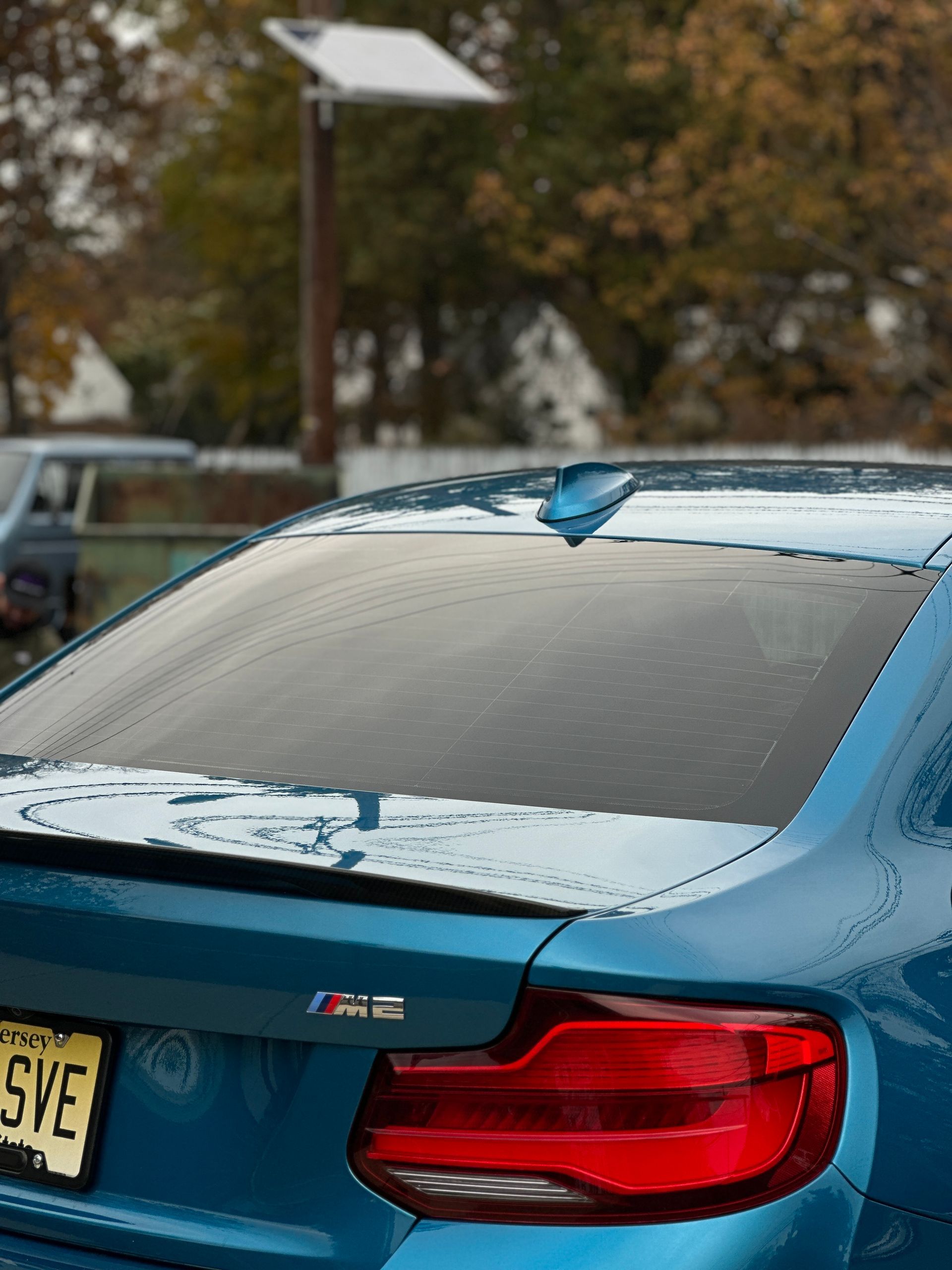
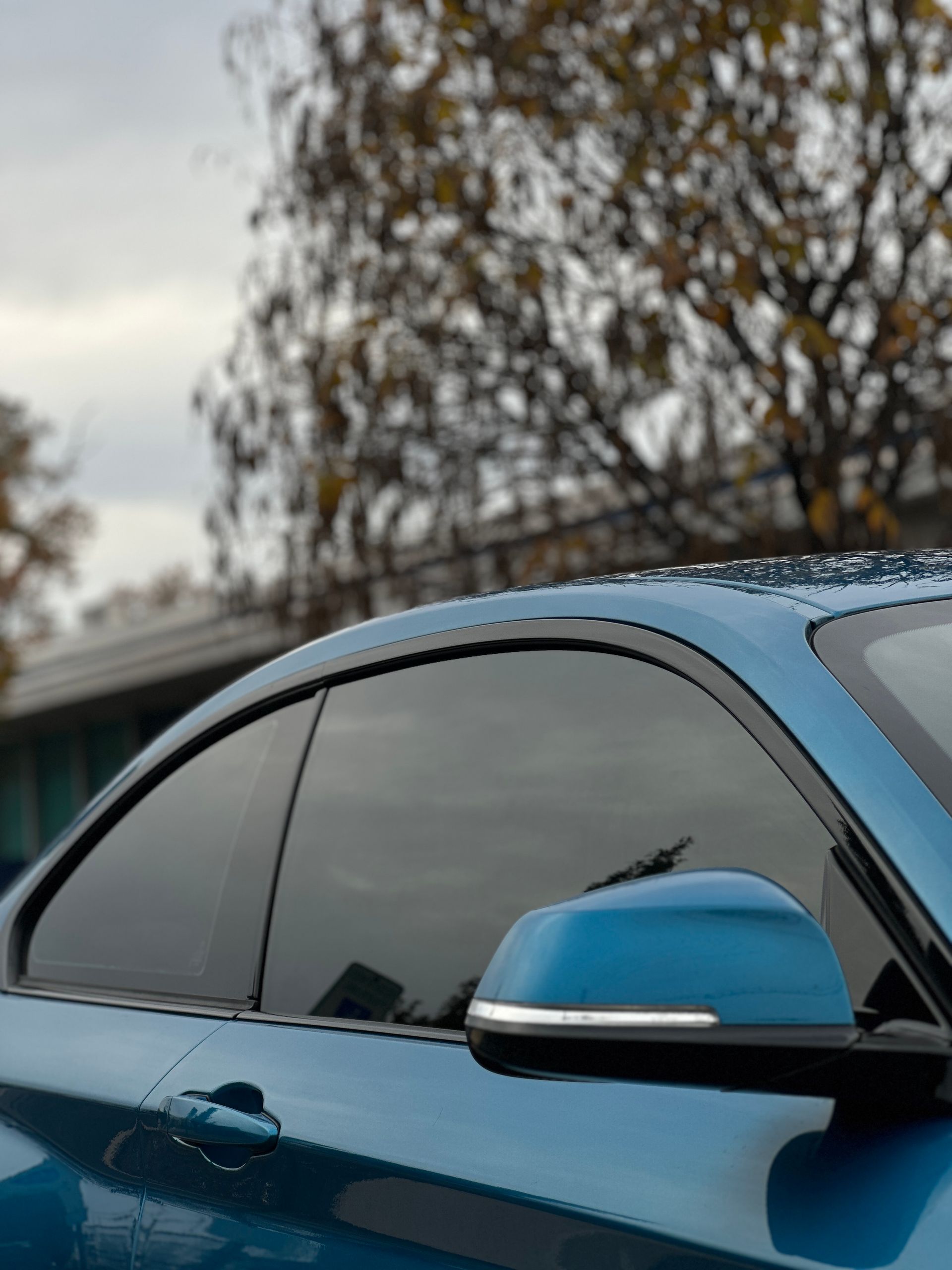
When you apply window tint, you are doing more than darkening glass. You are crafting a visual impression that ties your entire vehicle together. One of the first things tinting addresses is the inconsistency in how natural light hits different windows. Without tint, varying reflections and interior visibility can make even a well-maintained vehicle look unpolished. Quality window film brings a uniform shading across all glass panels, creating a sleek, cohesive appearance that elevates the vehicle's overall aesthetic.
This visual harmony also works with your car's existing design elements. Tinted windows emphasize the lines and curves of the body rather than competing with them. The effect is a cleaner, more refined look that complements paint color, wheel design, and overall body shape without requiring any additional modifications.
Beyond uniformity, window tinting opens the door to genuine customization. You can choose from charcoal grays for a timeless, understated look, bronze tones for a warmer finish, or subtle blue and green hues for something more distinctive. Each option maintains a clean, polished tone while letting the vehicle reflect your personal taste. The level of visible light transmission, or VLT, also plays a role here. Darker tints provide dramatic privacy and a bold appearance, while lighter tints offer a more subtle enhancement that still unifies the glass without making a strong visual statement. Either way, the result is a vehicle that looks more intentional and well put together.
The Practical Benefits of Window Tinting
The visual improvement is only part of the story. Window tinting delivers a range of practical benefits that affect how comfortable and safe your vehicle is to drive on a daily basis. One of the most significant advantages is heat reduction. On a hot summer day, the inside of an unprotected vehicle can become almost unbearable within minutes. Quality window films work by blocking a meaningful portion of the solar heat that would otherwise pass through your glass. The result is a noticeably cooler cabin, which reduces your dependence on air conditioning and can contribute to improved fuel efficiency over time. For drivers in the Glen Rock, NJ area navigating summer heat and extended daily commutes, this is a benefit that pays off quickly.
Window tinting also provides meaningful protection against ultraviolet radiation. Standard automotive glass blocks some UV rays, but a significant portion, particularly UVA rays linked to long-term skin damage and premature aging, still passes through. High-quality tint films are engineered to block the vast majority of both UVA and UVB radiation, providing a level of protection that standard glass simply cannot match. This matters not only for the health of everyone inside the vehicle but also for the condition of your interior. UV exposure causes dashboards to crack, leather to dry out, and upholstery to fade over time. A quality tint film helps preserve your interior and protect the value of your investment.
Glare reduction is another benefit that often goes underappreciated until you experience it firsthand. Whether it is the low-angle sun during an early morning commute or glare off wet pavement on a bright afternoon, uncontrolled light entering your windshield and side windows can be a genuine safety concern. Window tinting reduces the intensity of incoming light, easing eye strain and improving your ability to see the road clearly. This benefit extends to nighttime driving as well, where the glare from oncoming headlights can be just as disruptive.
Privacy and Security
Privacy is one of the most commonly cited reasons vehicle owners choose window tinting, and it is easy to understand why. A quality tint makes it significantly harder for anyone outside the vehicle to see in, which provides both personal comfort and a practical layer of security. When valuables are not visible to passersby in parking lots or at traffic stops, your vehicle becomes a far less attractive target for opportunistic behavior.
Beyond discouraging theft, window film also contributes to physical security in a less obvious way. When properly installed, window film helps hold glass together in the event of a break-in attempt or accident. Rather than shattering into dangerous shards, the glass tends to hold its form with the film acting as a binding layer. This reduces the risk of injury and makes it considerably more difficult for someone to gain quick access through a smash-and-grab approach.
The level of privacy you achieve depends on the VLT level you select. A lower VLT percentage, such as five percent, provides near-total privacy from the outside but must be weighed against state legal restrictions. A higher VLT percentage, such as thirty-five percent, offers meaningful privacy while maintaining comfortable outward visibility. Understanding how to balance these factors is one of the reasons working with a knowledgeable installation team makes all the difference.
Choosing the Right Tint for Your Vehicle
Not all window tint films are the same, and selecting the right type for your vehicle involves more than simply picking a shade. There are four primary film types available, each with its own strengths and trade-offs worth understanding before you commit.
- Dyed Films: They are the most affordable option and provide a clean, non-reflective finish. They perform reasonably well for basic privacy and glare reduction, but they are more prone to fading over time, particularly with extended sun exposure.
- Metalized Films: They incorporate metallic particles into the film to deliver stronger heat and glare reduction. They tend to be more durable than dyed films, but the metallic content can interfere with electronic signals, including cellular reception and GPS, which is a meaningful drawback for drivers who rely on in-vehicle connectivity.
- Carbon Films: They represent a solid upgrade in performance. They are resistant to fading, provide strong UV protection, and do not interfere with electronic signals. For vehicle owners who want reliable, long-term results without reaching the top of the price range, carbon films offer a compelling balance.
- Ceramic Films: They are widely regarded as the top-tier option available today. They offer the strongest infrared heat rejection, block nearly all UV radiation, maintain excellent optical clarity, and cause no signal interference. Ceramic tints require a greater upfront investment, but for vehicle owners who want the best possible combination of protection, comfort, and appearance, they are the clear choice.
At Automotive Specialty Wraps, we help Glen Rock, NJ clients navigate these options based on how they use their vehicles, what results they are after, and what fits their needs. The goal is always to match the right film to the right vehicle and driver.
The Importance of Professional Installation
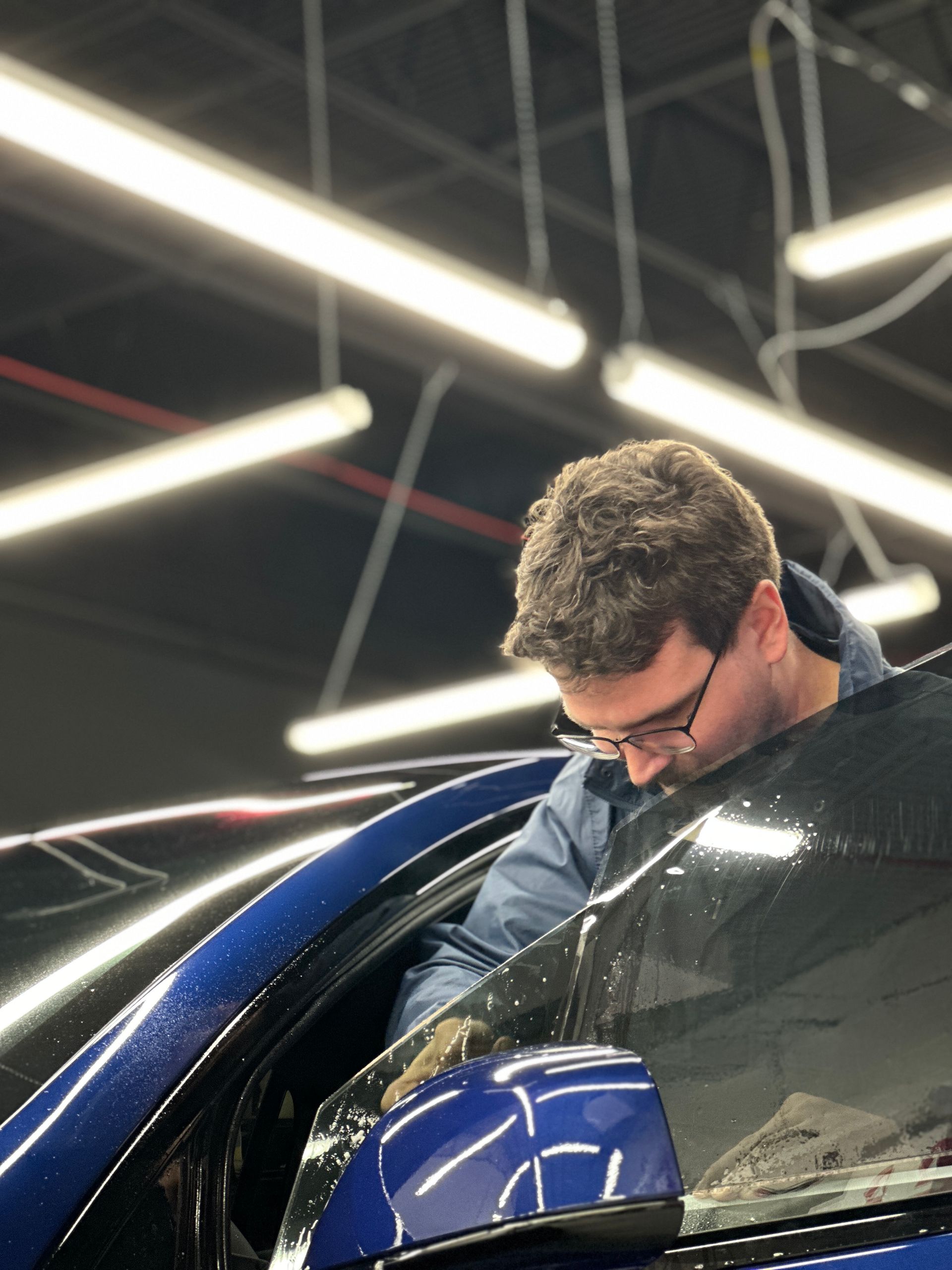
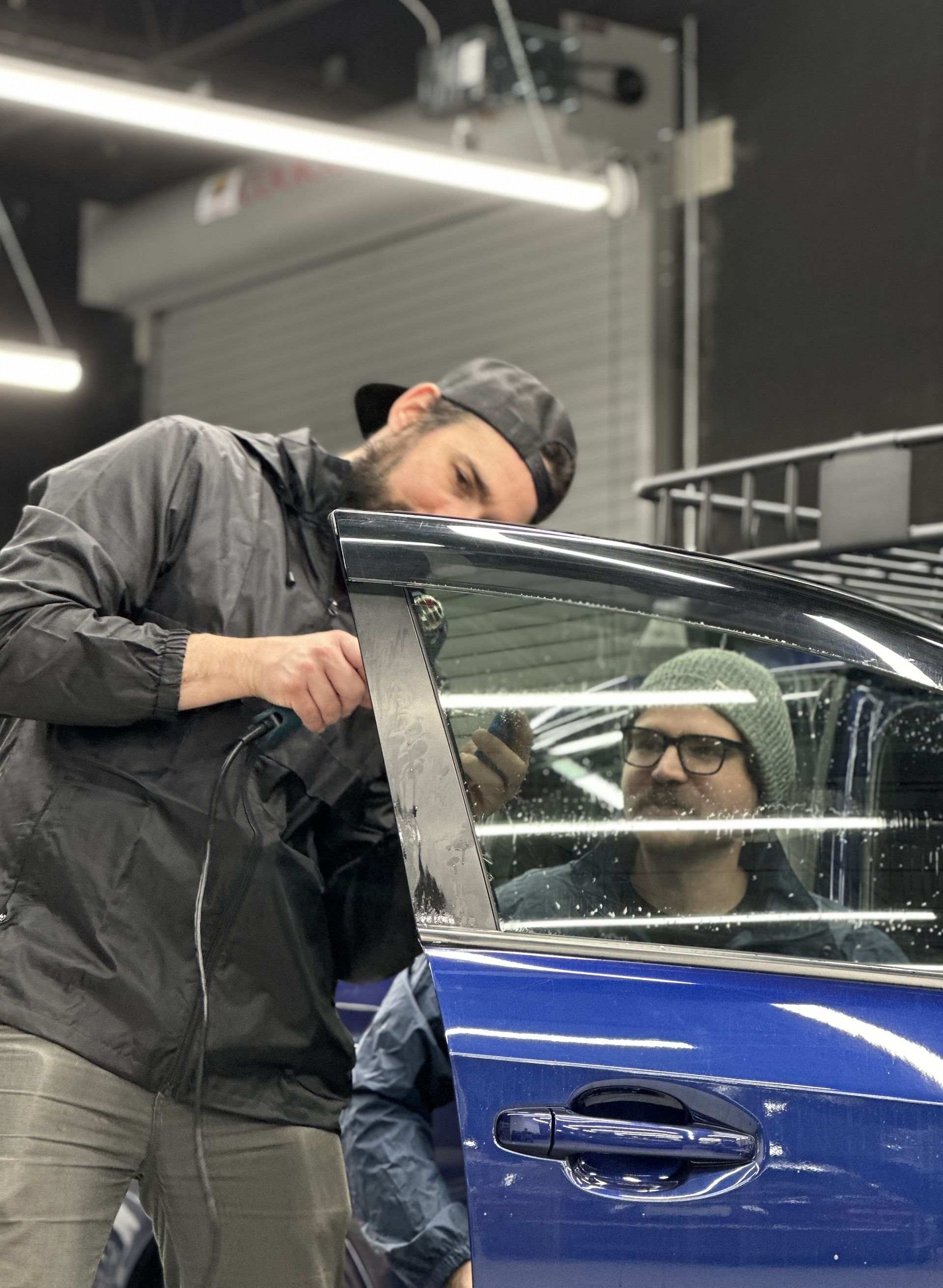
Selecting a quality film is only half of the equation. Professional installation is what transforms a good product into a lasting result. Window tinting that is applied improperly will develop bubbles, peeling edges, and hazy patches that compromise both the appearance and the performance of the film. These are not cosmetic inconveniences alone; they indicate adhesion failure that reduces the tint's ability to block heat, UV rays, and glare.
Professional installation begins with thorough glass preparation. The surface must be completely clean before any film is applied, since even microscopic dust particles or residual oils trapped beneath the film can cause long-term adhesion problems. Controlling the temperature and humidity of the installation environment is equally important, as improper conditions during application can cause the adhesive to cure incorrectly and fail prematurely.
Skilled installers use precision cutting tools and heat application techniques to conform the film to the specific shape of each window without leaving visible edges or stress points. The result is a seamless finish that looks as though it were built into the glass from the factory.
As an IDA-certified vehicle detailing and paint enhancement studio, Automotive Specialty Wraps holds itself to a high standard on every service we perform, including window tinting. That certification reflects a commitment to professional practices, industry knowledge, and quality outcomes. When you bring your vehicle to us, you are working with a team that treats every job with the same care and precision we apply to all our services.
Legal Compliance in New Jersey
Window tinting laws vary from state to state, and New Jersey has its own specific regulations governing how dark your tint can be and which windows are subject to restrictions. These laws exist to ensure driver visibility and to allow law enforcement adequate sightlines during traffic stops.
In Glen Rock, NJ, front side windows must allow a minimum level of light transmission, while rear side windows and rear windshields are generally subject to fewer restrictions. Reflectivity limits also apply, since highly reflective films can create glare problems for other drivers and may violate state vehicle code. Medical exemptions are available for individuals with documented light sensitivity conditions, allowing for darker tints under specific circumstances with proper documentation.
Working with a professional installation team ensures your tint meets all applicable New Jersey regulations. Before any film is applied, your installer should advise you on which VLT levels are legally permissible for each window on your vehicle. Requesting documentation confirming compliance after installation is also a worthwhile step for your records. Staying within legal limits does not mean sacrificing the benefits you are after. High-quality films can deliver excellent UV protection, meaningful heat rejection, and a polished appearance well within the bounds of state law.
The Bottom Line
Window tinting is one of the most versatile upgrades a vehicle owner can make, delivering a combination of style, comfort, protection, and security that few other services can match. When you work with a certified team and invest in a quality film, the results last for years and affect your driving experience every single day.
At Automotive Specialty Wraps in Glen Rock, NJ, our window tinting service is backed by IDA certification, professional technique, and a genuine commitment to quality. If you are ready to improve how your vehicle looks and how it protects you, reach out to our team today. We will help you find the right tint for your vehicle, your lifestyle, and your goals.
Contact us today!