Why Professional Ceramic Coating Is Ideal for New Vehicle Protection
Protecting a new vehicle's paint goes beyond keeping it looking good. For drivers in Hawthorne, New Jersey and the surrounding area, maintaining that showroom finish means guarding against road salt, harsh UV exposure, and the daily wear that comes with life in the Northeast. While waxing and basic sealants have their place, professional ceramic coatings offer a tougher, longer-lasting layer of defense that makes a meaningful difference in how a vehicle holds up over time. If you have been wondering whether that investment is worth it, this guide breaks down exactly why professionally applied coatings are the smarter choice for long-term paint protection.
Professional Coating vs. Traditional Methods
Professional ceramic coatings are fundamentally different from traditional waxes. Rather than sitting on top of the paint surface, a ceramic coating forms a chemical bond with the clear coat beneath it. This creates a hard, durable layer that resists dirt, UV rays, acidic contaminants, and environmental fallout far more effectively than wax alone.
The longevity of a ceramic coating sets it apart from everything else in the category. A single professional application can last anywhere from two to five years with proper care, eliminating the need for constant reapplication. Traditional waxes degrade relatively quickly, often within four to six weeks under normal weather conditions. Synthetic sealants stretch that window somewhat but still require reapplication every few months to maintain any meaningful level of protection.
Wax provides a warm, appealing gloss, and there is no denying its appeal among enthusiasts. However, its protective barrier is soft and limited. It offers minimal defense against acidic pollutants and does little to slow paint degradation without consistent upkeep. For vehicle owners who want lasting protection without the ongoing maintenance burden, ceramic coating is the more practical and cost-effective solution.
How Ceramic Coatings Protect Your Paint
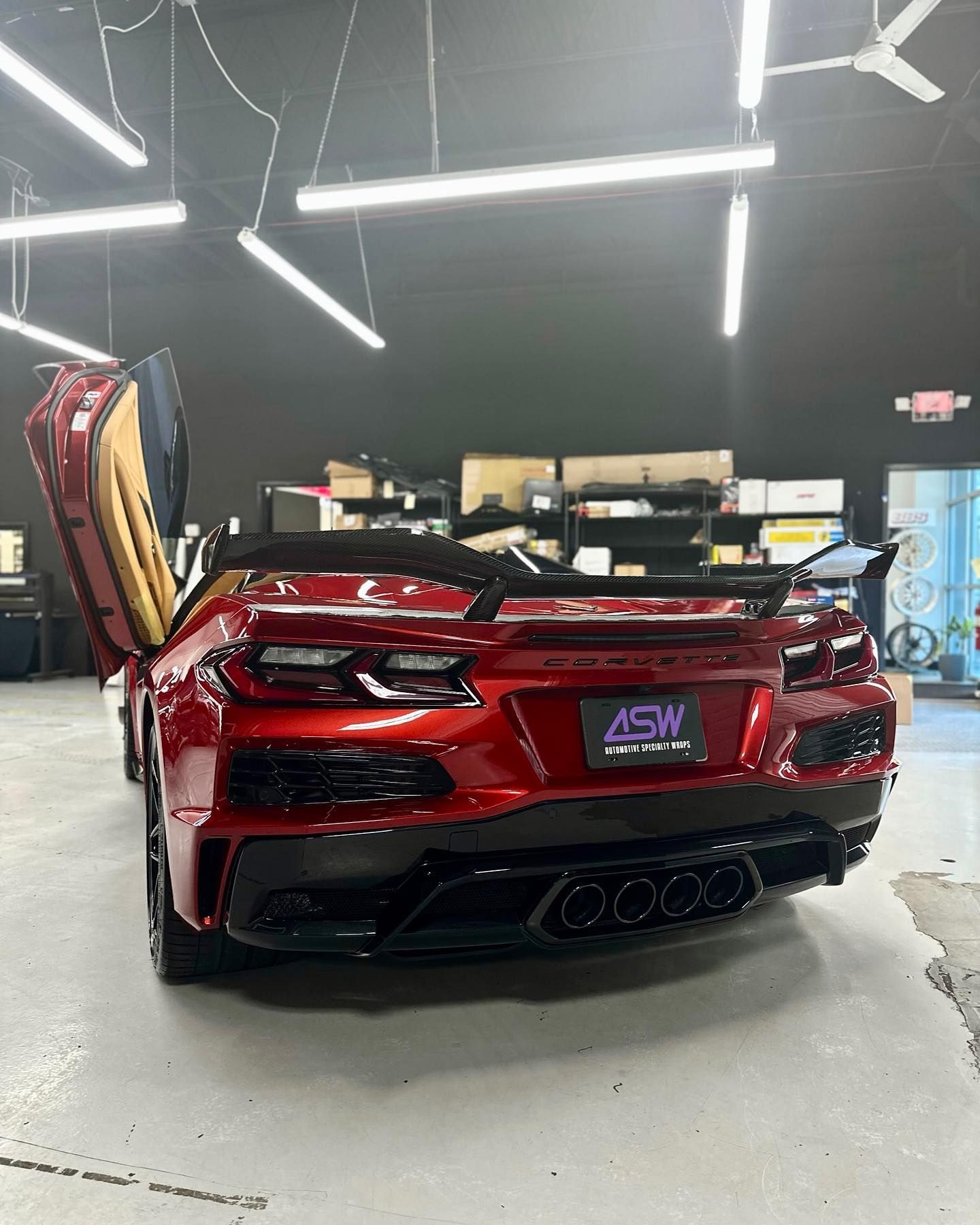
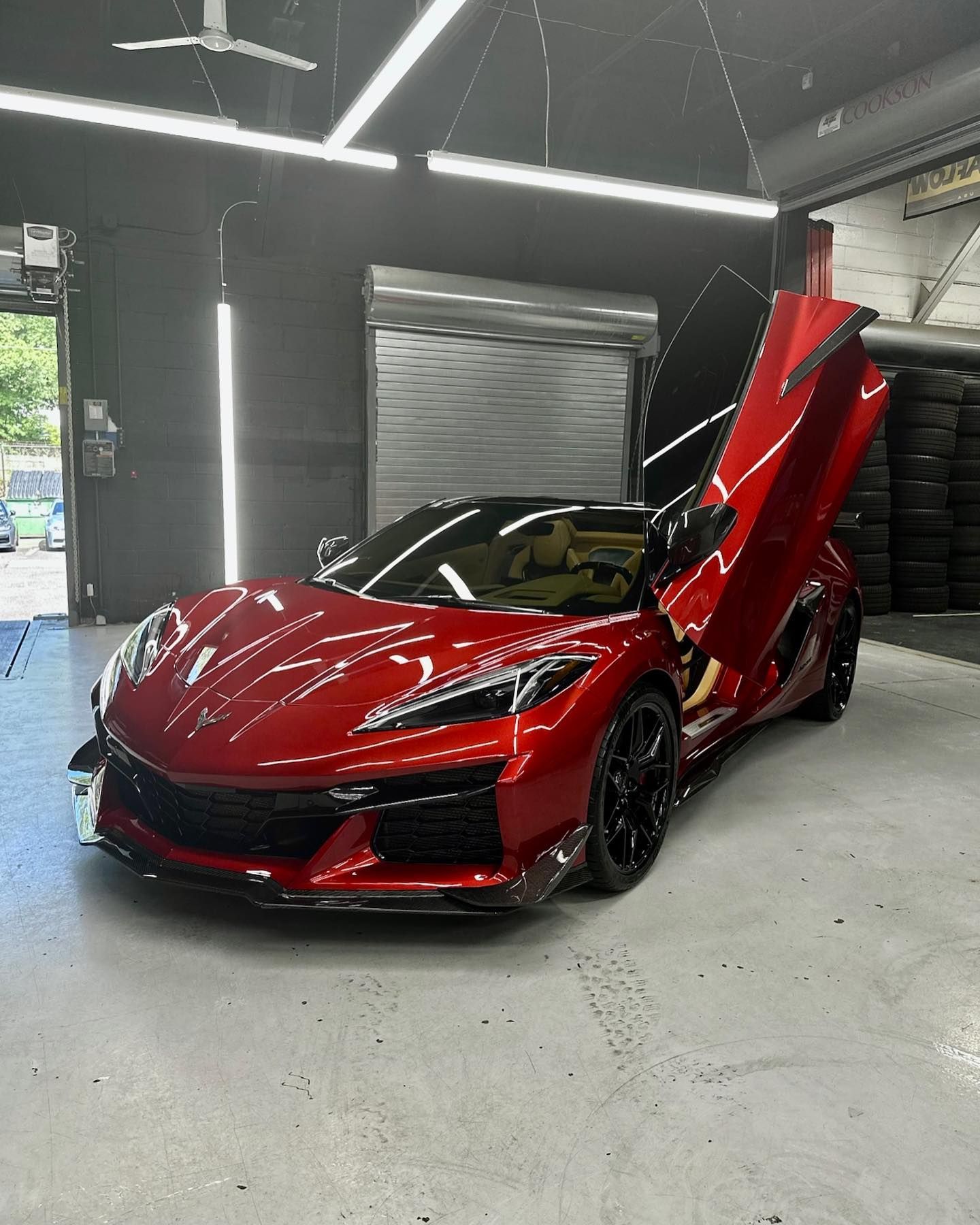
At its core, a professional ceramic coating works by creating an ultra-thin yet extremely tough layer bonded at the molecular level to your vehicle's paint. This is not a superficial gloss or a temporary shield. It is a durable barrier that actively defends against a wide range of environmental threats that vehicle owners in New Jersey encounter year-round. The durability comes from advanced ceramic polymers that cross-link tightly during the curing process. The resulting surface is significantly harder than anything traditional wax can produce, meaning fine surface contact and minor debris have far less opportunity to damage the paint beneath.
Beyond physical durability, ceramic coatings are engineered to repel chemical contaminants before they can cause lasting harm. Bird droppings contain uric acid that is highly corrosive and capable of etching into unprotected paint if left untreated for any length of time. Tree sap and acid rain carry substances that gradually break down clear coats over time. With a professional ceramic coating in place, these contaminants have difficulty bonding to the surface, significantly slowing down or preventing staining and corrosion from taking hold.
Long-Term Benefits for Your Vehicle
The most immediately visible benefit of professional ceramic coating is the aesthetic transformation it delivers. The coating amplifies the depth and clarity of your vehicle's paint in a way that traditional waxes cannot sustain over time. That enhanced appearance holds up throughout the coating's lifespan rather than fading within weeks, giving your vehicle a consistent, high-quality finish that genuinely reflects the care put into it.
Beyond appearance, the coating serves as a proactive layer of defense against some of the most common causes of paint deterioration. UV exposure is one of the leading contributors to color fading and clear coat degradation, and a quality ceramic coating significantly limits how much UV radiation reaches the paint beneath it. Environmental contaminants, including bird droppings, tree sap, road salts, and acidic rain, are chemically resisted, reducing the risk of etching and staining that would otherwise require costly correction or repainting.
These protective qualities also contribute to long-term value retention. A vehicle that maintains its paint quality over time holds its value more effectively at resale. When potential buyers evaluate a used vehicle, paint condition is one of the first things they assess. A well-maintained, professionally coated vehicle communicates that it was cared for properly, and that perception translates into stronger resale outcomes.
From a cost standpoint, the upfront investment in professional ceramic coating tends to pay for itself over time. Waxing and sealant services, applied on a consistent schedule, add up to a significant annual expense. With a ceramic coating in place, the frequency and cost of those maintenance visits drop considerably. Coated vehicles require less frequent washing, fewer detailing appointments, and face a lower risk of needing paint correction or touch-up work further down the road.
Maintenance and Care After Coating
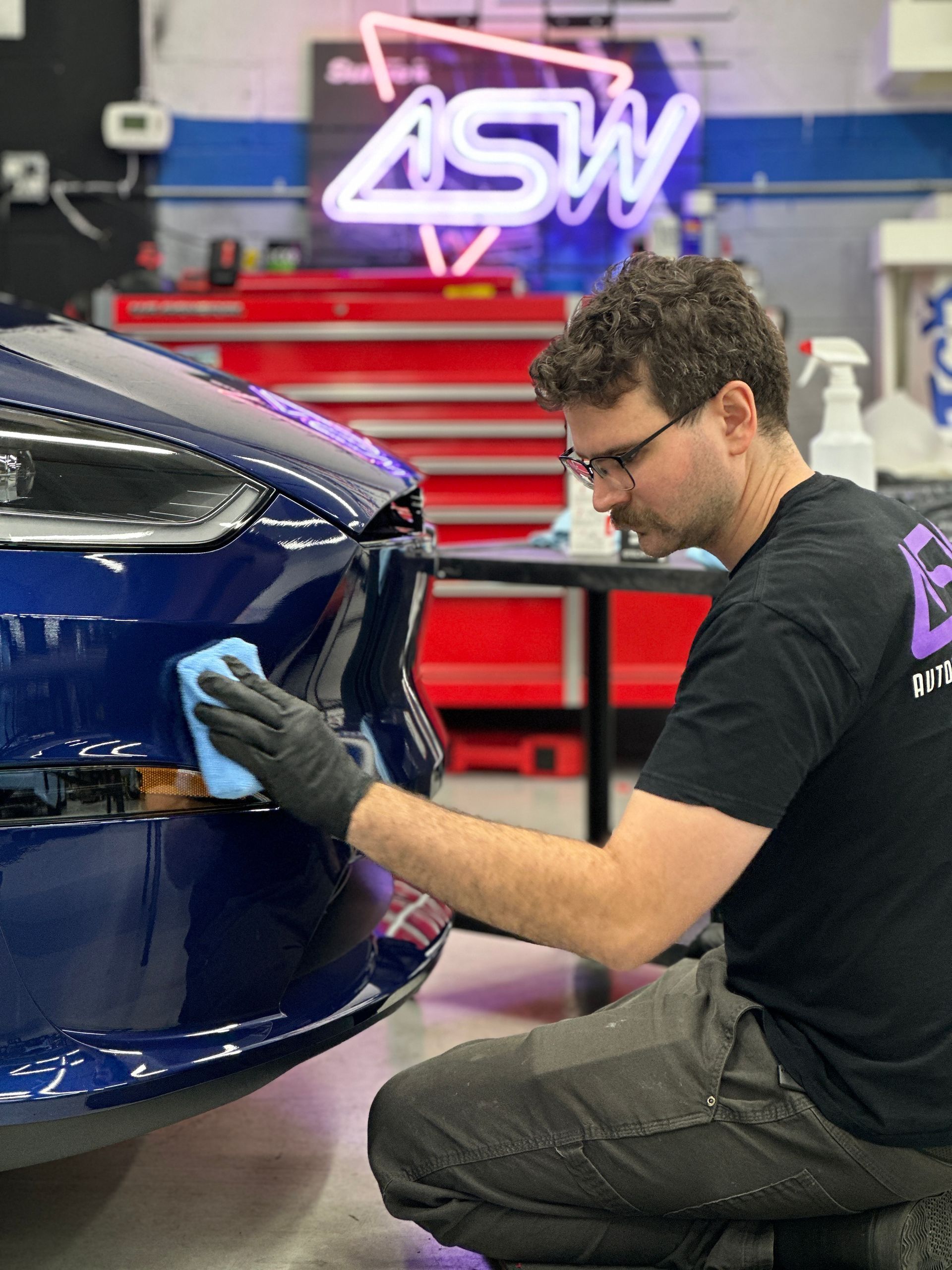
Maintaining a professional ceramic coating is far simpler than many vehicle owners expect. The coating does much of the protective work on its own, but a few consistent habits will help it perform at its best throughout its lifespan. The foundation of ceramic coating care is regular washing with a pH-neutral soap. This type of soap cleans thoroughly without stripping the protective layer. Washing every one to two weeks prevents contaminants like bird droppings, tree sap, and road salts from bonding too firmly to the surface before they can be safely rinsed away.
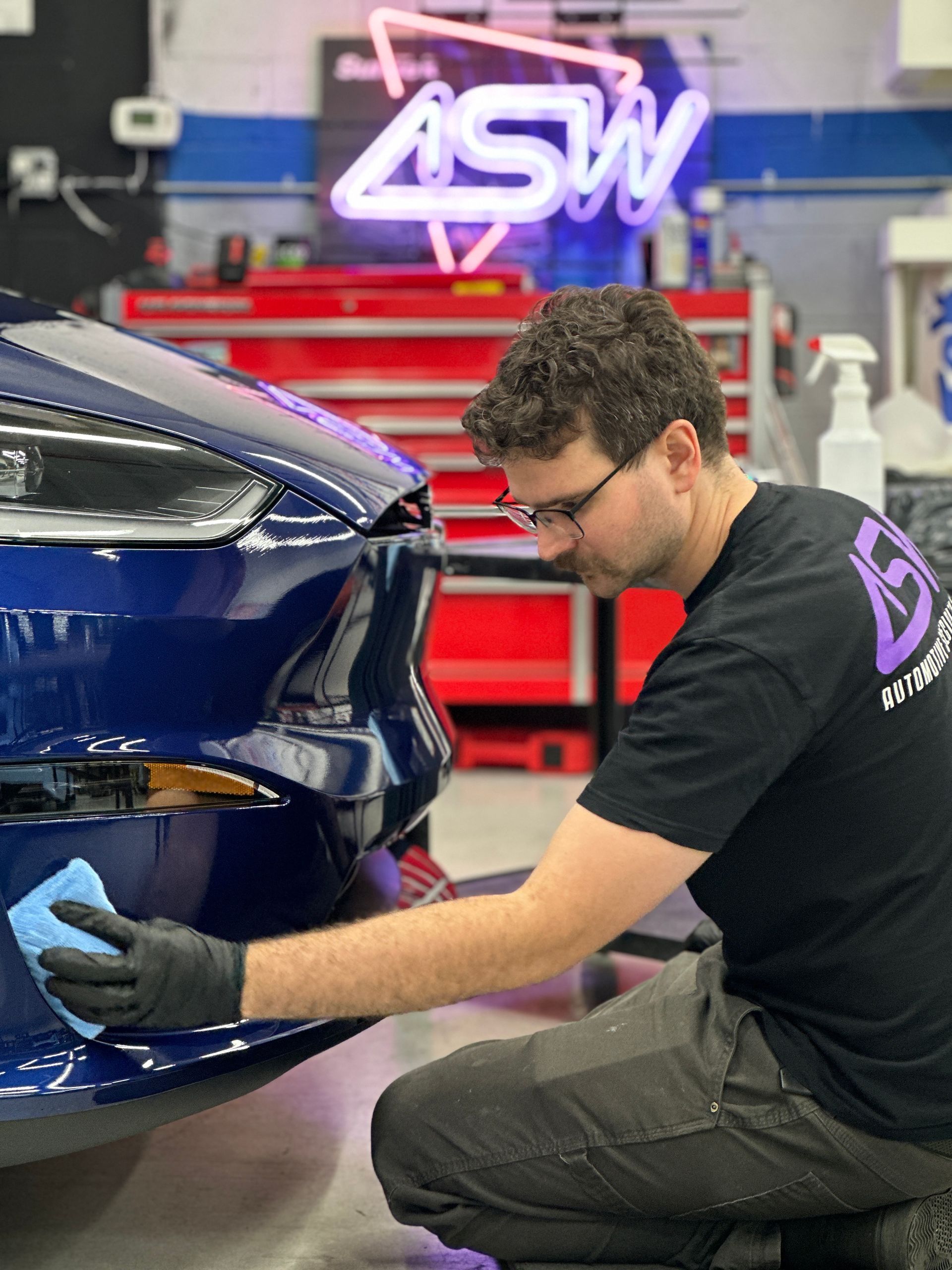
After washing, drying the vehicle with a soft microfiber towel is equally important. Microfiber materials are gentle on coated surfaces and minimize the risk of introducing fine surface marks that harsher drying materials can cause. Thorough drying also preserves the hydrophobic properties that make water bead so effectively in the first place. For additional upkeep between washes, a quick detailer spray formulated for ceramic coatings can reinforce the coating's hydrophobic qualities and maintain gloss at a high level. These sprays fill minor surface imperfections and help the coating continue performing between professional inspections or touch-up visits.
Automatic car washes that use brush mechanisms should be avoided, as the abrasive contact can gradually wear away the coating over time. Touchless automatic washes or careful hand washing are the preferred options for coated vehicles. Minimizing exposure to environmental hazards where possible also extends the coating's lifespan. Parking away from trees, industrial areas, and prolonged direct sunlight reduces the accumulation of harmful substances the coating has to defend against. A clay bar treatment once or twice per year can remove bonded contaminants without harming the ceramic layer, keeping the paint surface smooth beneath the protective shield.
Is Professional Ceramic Coating Right for Your Vehicle?
For vehicle owners in Hawthorne, New Jersey and the surrounding communities, professional ceramic coating is one of the most practical investments you can make in your vehicle's long-term appearance and protection. It reduces maintenance demands, guards against the environmental conditions specific to our area, and preserves your vehicle's finish in a way that no traditional wax or sealant can match.
At Automotive Specialty Wraps, we have been serving customers since 2017 as an IDA-certified vehicle detailing and paint enhancement studio. Whether you are looking to protect a new vehicle from day one or preserve a finish you have already invested in, our team is ready to help. When you trust us with your vehicle, our goal is straightforward: return it to you looking better than when it arrived, and keep it that way.
Contact us today to learn more about our services or to schedule your next appointment!