You paid for the coating. You watched water bead up beautifully on the drive home from the shop. Six months later, you notice the water isn't beading like it used to. That's not the coating failing. That's usually the wash routine. Ceramic coating is durable, but it's not invincible, and the way you wash your car after installation determines how long it stays performing at its best. Many owners default to whatever wash routine they used before the coating, and that's where things go wrong. For anyone wondering how to wash a car with ceramic coating properly, the answer isn't complicated. It just requires dropping old habits and picking up new ones. Get the routine right, and your coating stays slick, glossy, and protective for years.
Why Ceramic Coating Needs Different Wash Care
Ceramic coating creates a hard, slick surface bonded to your clear coat. That slickness is what makes water bead, dirt slide off, and cleaning easier. But that same slickness gets damaged by harsh chemicals, abrasive materials, and drying methods that would be fine on uncoated paint. What worked on your last car might actively degrade the coating on this one.
What makes coated cars behave differently:
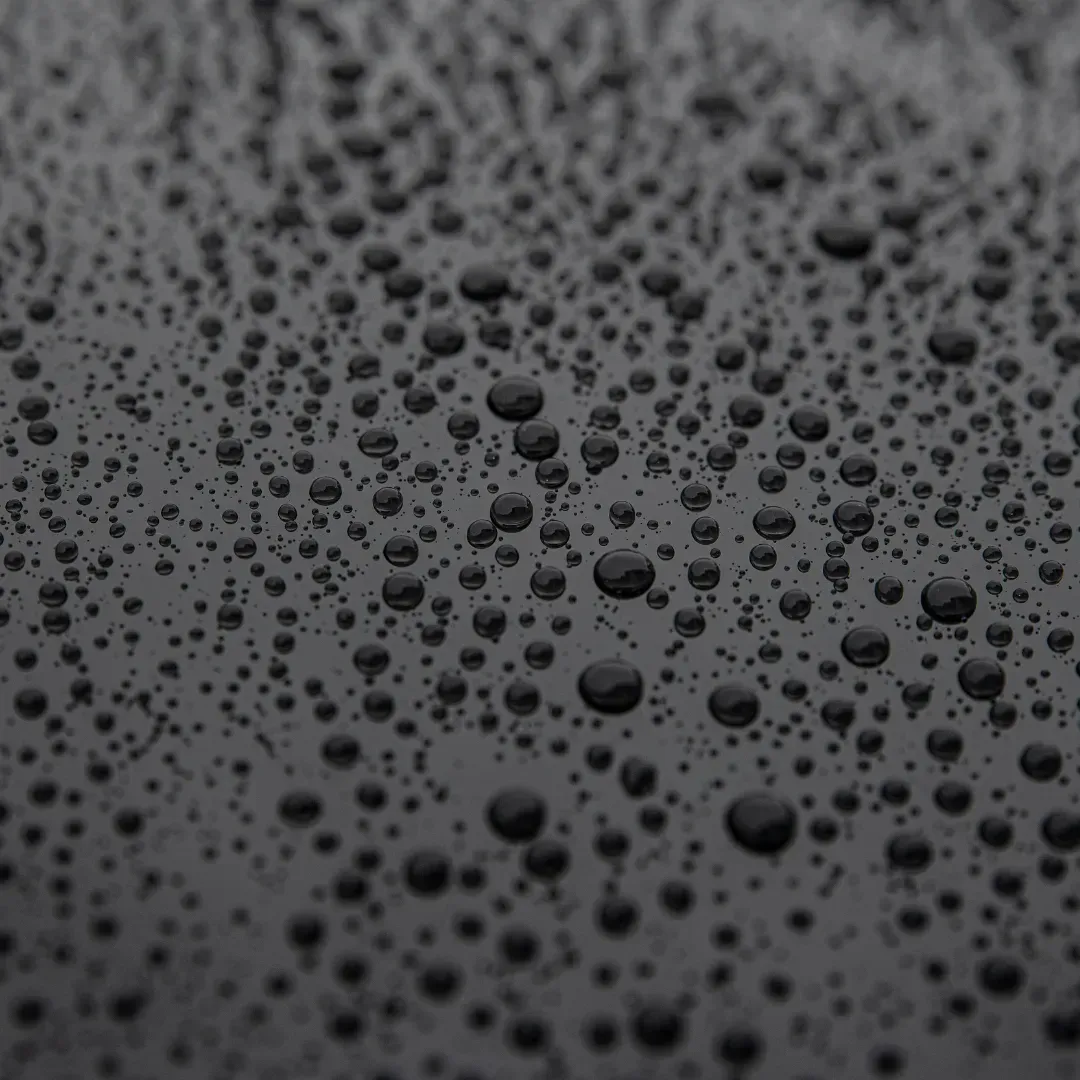
- The surface is hydrophobic, so water sheets and beads instead of soaking in
- Dirt and grime struggle to stick, so less scrubbing is needed to remove them
- pH matters more since strong chemicals can strip protective layers
- Physical abrasion from harsh brushes shortens coating life faster
- Improper drying leaves water spots that etch into the surface
Understanding these differences is the first step to picking up habits that work with the coating instead of against it.
How to Wash a Car with Ceramic Coating Step by Step
Understanding how to wash a car with ceramic coating starts with the sequence. A proper wash isn't just about what you use. It's about the order you do things and the tools you skip entirely.
The proper wash routine:
- Rinse the vehicle thoroughly to remove loose dirt and debris
- Apply a pH-neutral car shampoo using the two-bucket method
- Wash from top to bottom with a clean, soft microfiber mitt
- Rinse each panel before soap dries on the surface
- Perform a final rinse with a low-pressure spray
- Dry with clean microfiber towels or a filtered blower
The two-bucket method matters. One bucket holds soapy water, the other holds clean rinse water for the mitt between passes. This keeps grit from being dragged back onto the paint. Working panel by panel from top to bottom uses gravity in your favor since dirty water flows down onto areas you haven't cleaned yet.
Products Safe for Ceramic-Coated Vehicles
Not every car care product is coating-friendly. Some cleaners that work great on bare paint can shorten a coating's useful life dramatically. Sticking with pH-neutral products designed for coated surfaces protects your investment.
Safe product types for coated vehicles:
- pH-neutral car shampoos labeled coating-safe
- Waterless wash solutions for light touch-ups between full washes
- Ceramic-boosting rinse products that refresh hydrophobic behavior
- Microfiber mitts with plush pile that traps dirt away from paint
- Soft microfiber drying towels with edgeless construction
Products to avoid include strong degreasers, alkaline wheel cleaners applied to painted surfaces, wax-based cleaners that leave residue on top of the coating, and any wash mitt with rough or worn fibers. When in doubt, a good detailing shop can point you toward products that work with your coating.
Drying Techniques That Protect the Coating
Drying is where a lot of owners undo the good work of their wash. Dragging a chamois or old bath towel across the surface can leave micro-marks that dull the finish. The wrong drying method also traps water in seams where it later drips onto clean panels and leaves streaks.
Proper drying approach:
- Blow water off with a filtered air blower to eliminate contact drying
- If using towels, use large plush microfiber ones designed for drying
- Dry from top down so gravity works with you
- Blot instead of drag when contact is needed
- Open doors and hood after drying to clear water from jambs and seams
Coated surfaces stay wetter longer because water beads instead of spreading. That gives you more time to work with, but leftover water can still leave mineral spots if allowed to dry on the surface. Getting all of it off matters as much as the wash itself, and a properly installed coating shows its worth in how much easier drying becomes.
Common Wash Mistakes That Damage Coating Performance
Some of the most common wash mistakes come from habits that worked fine before the coating. These are worth listing because they're easy to fall into without realizing it.
Mistakes that shorten coating life:
- Using dish soap or general household cleaners instead of car shampoo
- Running the car through an automatic tunnel wash with brushes
- Applying wax or polish on top of the coating
- Washing in direct sunlight when water and soap dry too fast
- Using dirty or worn wash media that carry embedded grit
- Skipping the rinse step between wash and dry
- Ignoring water spots and letting them etch into the surface
Any single one of these can degrade coating performance. Combining several accelerates the damage. If your coating starts losing its hydrophobic feel or gloss, revisiting your wash routine is usually where the fix begins. Sometimes
polishing work is needed after long-term poor wash habits to restore the surface before a coating refresh.
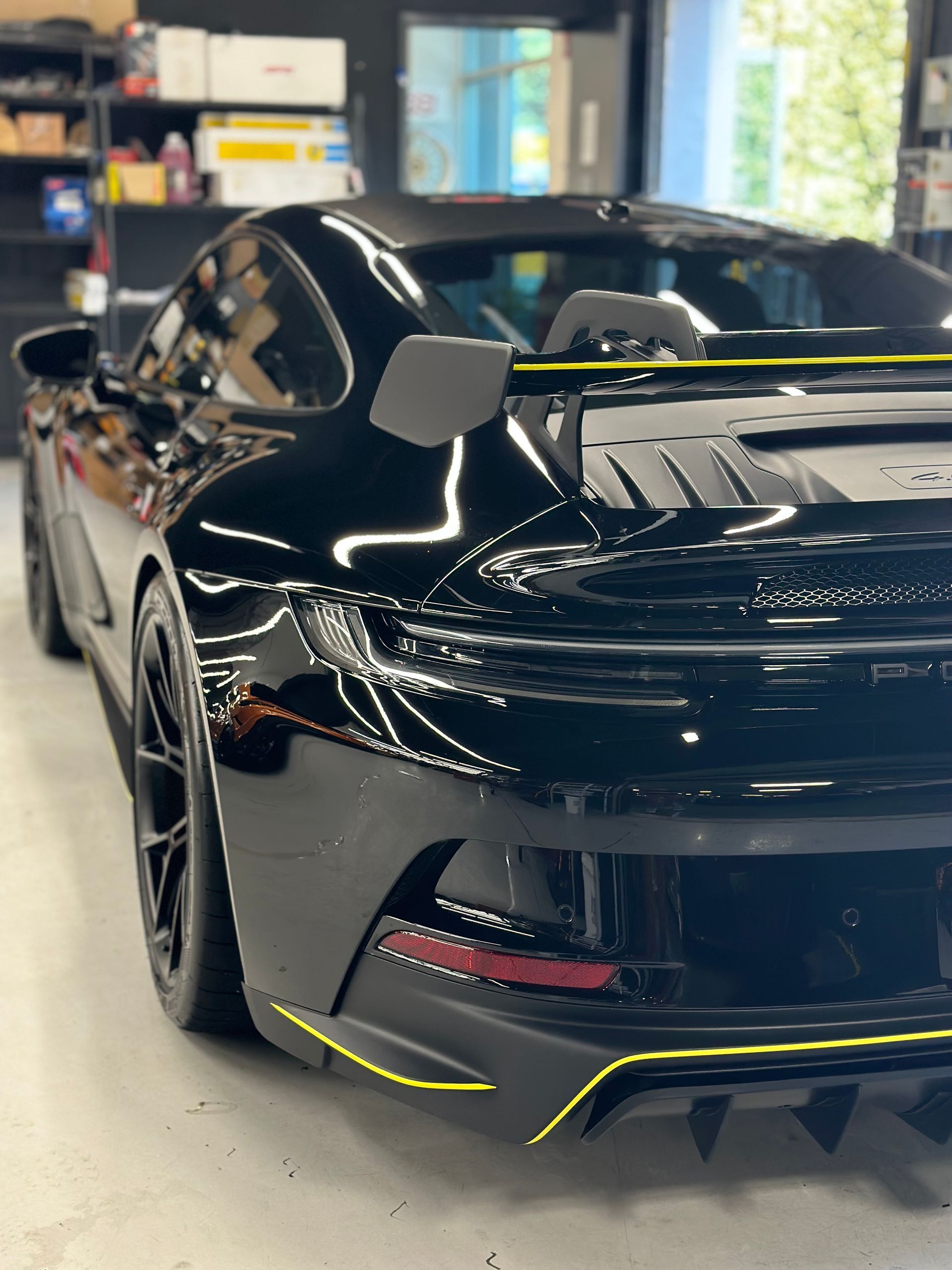
Get Your Ceramic Coating Installed by Pros
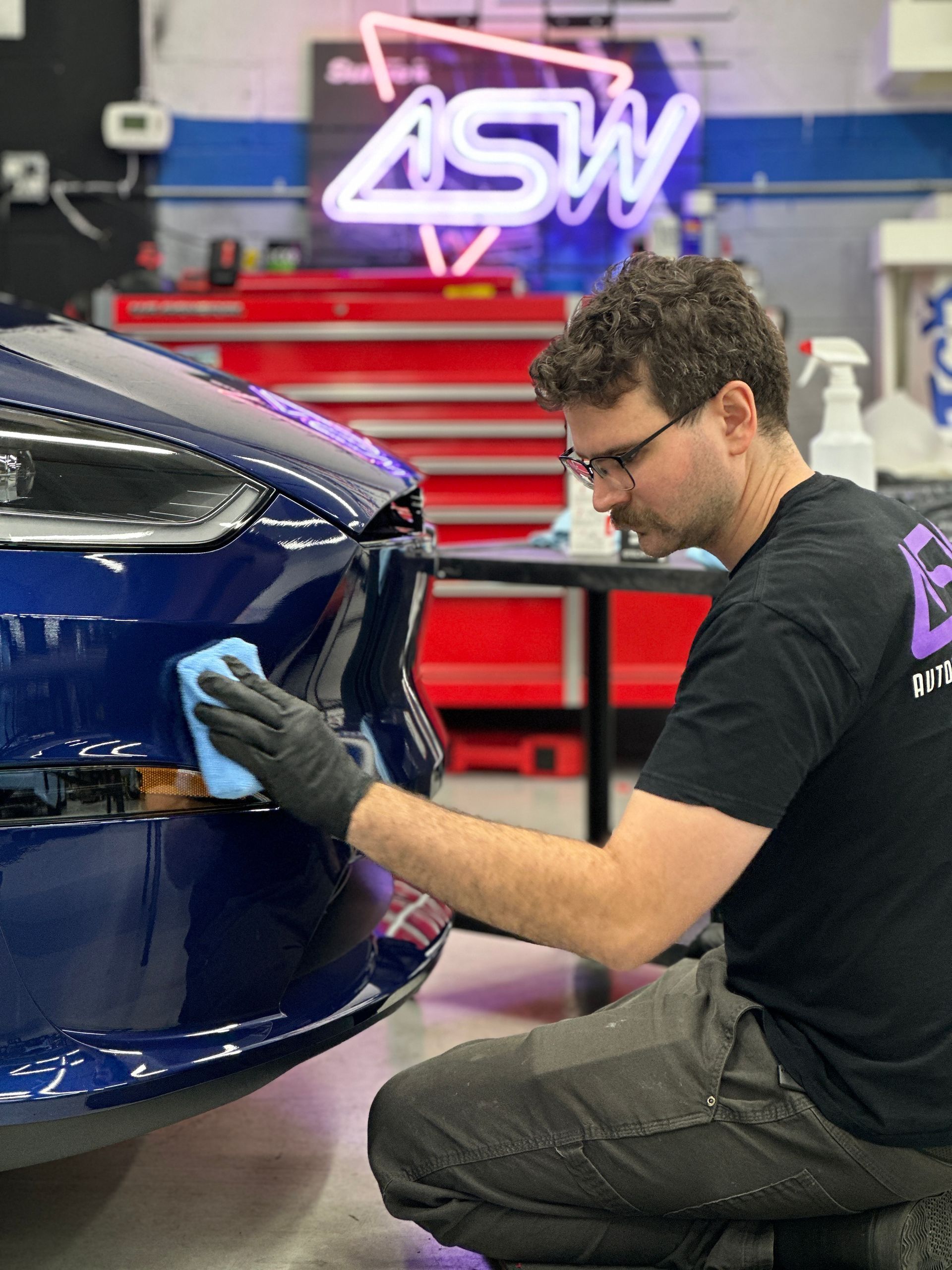
Want ceramic coating that actually holds up long-term? Half the battle is a proper install with quality products. Automotive Specialty Wraps installs proven ceramic formulas with the kind of prep work that makes them last, so the coating you get holds its performance over time. Whether you're new to ceramic protection or looking to replace an existing coating, understanding how to wash a car with ceramic coating is what makes the investment worth it. Want help picking the right coating for your driving? Let's chat, and we'll work out the right approach for your car.
Frequently Asked Questions
How often should I wash a ceramic-coated car?
Every couple of weeks works well for most driving conditions. Coated cars stay cleaner longer, so you don't need to wash as often as a bare-paint vehicle. But letting contamination sit too long, particularly bird droppings, sap, or road salt, can damage the coating. If you drive in dusty areas or through frequent rain, weekly washes may be needed. A reliable signal is when the surface stops feeling as slick as usual.
Can I use my regular car soap on a ceramic-coated car?
Only if it's pH-neutral. Regular car soaps range from mild to fairly aggressive, and strong shampoos strip protective layers over time. Look for coating-safe or pH-neutral on the label. Products designed for coated cars are formulated to clean without degrading the surface bond. Switching to a coating-safe shampoo is one of the simplest ways to protect a much larger investment.
Does an automatic car wash damage ceramic coating?
Brush-based automatic washes definitely can. The bristles hold grit from previous cars that scrapes across your coating. Touchless washes are safer but often use harsh chemicals to compensate for lack of brushes. If a hand wash isn't possible, a touchless wash is the better of the two, though nothing beats a two-bucket hand wash for coating longevity. Investing in the right supplies at home usually pays off within a few months.
How do I know if my ceramic coating is still working?
Water behavior is the clearest indicator. Fresh coatings make water bead into tight round drops that roll off easily. As coatings age or degrade, beading gets flatter, and water starts sheeting instead of beading. When water stops beading, and dirt doesn't slide off as easily, the coating is losing its hydrophobic properties. This usually happens gradually, so comparing photos from the first month against current appearance helps.
What if my coating loses its slick feel?
A maintenance booster or ceramic-refresh product can restore slickness in many cases. These are applied after a clean wash and add another layer of hydrophobic behavior. If the coating is significantly degraded or damaged, paint correction followed by a full recoat may be needed. Talking to your installer is the best way to figure out which route makes sense.